


Gut Health & Immunity Guide
Gut health immunity guide: simple, science-backed tips on diet, sleep, stress, prebiotics and probiotics to support your body’s defences.

Written by Dr. Vasanthasree Nair
Reviewed by Dr. Dhankecha Mayank Dineshbhai MBBS
Last updated on 13th Jan, 2026
Introduction
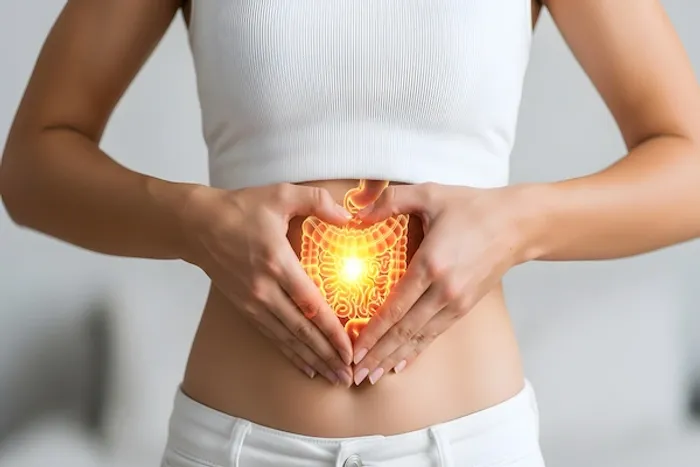
If you’ve ever wondered why digestive health seems to influence how often you fall ill, you’re not alone. Researchers have been studying the relationship between gut health and the immune system for years, and what they’ve discovered is remarkably clear. A well-balanced gut doesn’t just support digestion; it actively shapes how your immune system responds to everyday challenges. That’s why so many people look for practical gut health immunity strategies they can use in daily life. This guide explains how the gut communicates with the immune system and offers simple, sustainable ways to support both through food, lifestyle, and smart habits.
Consult a Top General Practitioner for Personalised Advice
How your Microbiome in the Gut talks to Your Defences
Your gut contains trillions of microorganisms, collectively known as the gut microbiome. These microbes include bacteria, viruses, fungi, and even archaea, many of which play supportive roles in digestion, nutrient production, and protection against harmful invaders. A thriving microbiome isn’t just about numbers; it’s about diversity and balance. When beneficial microbes flourish, they help maintain a stable environment that interacts intelligently with the immune system.
Here are key ways a healthy gut supports immunity:
- Physical barrier support: The cells lining your intestines form a selective barrier that keeps harmful substances out while allowing nutrients through. When this barrier is well supported by a nutrient-rich diet, the body is better equipped to keep unwanted pathogens at bay.
- Immune training: Gut microbes regularly interact with immune cells, helping the body distinguish between harmless substances and genuine threats. This “training” reduces the risk of unnecessary inflammation and helps maintain a steady immune response.
- Helpful compounds: Beneficial bacteria ferment dietary fibre and produce short-chain fatty acids such as butyrate. These compounds help nourish intestinal cells, support barrier integrity, and contribute to balanced immune function throughout the body.
- The takeaway: A diverse, well-fed microbiome doesn’t guarantee perfect immunity, but it supports a calmer, more effective immune response and strengthens your natural defences over time.
Everyday Habits to Support Gut and Immune Health
Building strong gut health immunity is less about dramatic changes and more about consistent, manageable habits. When practised daily, these habits create an environment where beneficial microbes can thrive, helping your immune system function smoothly.
Build a Microbiome-Friendly Plate
Aim for fibre most days
- Most adults benefit from roughly 25–38 grams of fibre each day, depending on age and sex.
- Fibre feeds beneficial microbes and supports regular, comfortable digestion. Choosing foods rich in fibre helps maintain microbial diversity and keeps the digestive system functioning reliably.
- Easy fibre boosts: vegetables, fruits, beans, lentils, whole grains such as oats and brown rice, nuts, and seeds.
Go for plant diversity
- Different types of fibre feed different types of microbes. Including a variety of colourful plant foods introduces a wider range of nutrients and bioactive compounds that help beneficial microbes flourish. Try to rotate your fruits, vegetables, legumes, and grains throughout the week for richer diversity.
Include prebiotic-rich foods
- Prebiotics are specific types of fibre that feed helpful bacteria. Foods naturally rich in prebiotics include onions, garlic, leeks, asparagus, bananas, oats, barley, and legumes. Incorporating these regularly can help support gut lining health and stable immune responses.
Consider fermented foods
- Fermented foods introduce beneficial bacteria into the digestive tract and may contribute to greater microbial diversity. Options include yogurt with live cultures, kefir, kimchi, sauerkraut, miso, and tempeh. Choose varieties with minimal added sugar or salt to keep them aligned with general health goals.
Be thoughtful about probiotics
- Probiotics are live microorganisms that may offer benefits when consumed in adequate amounts.
- Evidence supports certain strains for specific issues, such as reducing the risk of antibiotic-associated diarrhoea. Because benefits vary widely by strain, it’s helpful to choose a product that lists the strain, dose, and research behind it. People who are severely ill or immunocompromised should seek medical advice before using probiotics.
Care For Your Gut Barrier
Prioritise whole, minimally processed foods
- Eating patterns high in ultra-processed foods and added sugars are less supportive of microbial diversity. Choosing whole foods most of the time helps nourish your gut lining and supports healthier immune communication.
Stay hydrated
- Water plays a key role in smooth digestion and comfort. Adequate hydration helps fibre do its job and assists in maintaining a healthy internal environment.
Don’t forget healthy fats
- Healthy fats from nuts, seeds, olive oil, and oily fish contribute to balanced inflammation and overall immune function. Including these regularly supports many processes within the digestive tract.
Lifestyle Habits to Gut and Immune Health
Lifestyle habits include:
Sleep
Aim for consistent, good-quality sleep each night. Adults usually need at least 7 hours. Poor or irregular sleep can disrupt immune responses and may influence the gut microbiome over time. Prioritising a calming evening routine and keeping sleep and wake times steady can make a meaningful difference to both digestion and immunity.
Physical Activity
Regular movement supports metabolic health, circulatory function, and immune resilience. Adults are encouraged to achieve at least 150 minutes of moderate aerobic activity weekly, complemented by muscle-strengthening exercises on two or more days. Physical activity may also influence microbial diversity, adding another benefit to staying active.
Stress Management
Ongoing stress can alter digestive function and microbial balance. Gentle daily practices such as walking, breathing exercises, mindfulness, or stretching help lower stress levels and support smoother communication between the gut and immune system.
Alcohol and Smoking
Limiting alcohol and avoiding smoking contribute to better overall health, including gut and immune well-being. Excessive alcohol and smoking can negatively affect the gut lining and microbial stability, so minimising both can support digestive comfort and healthier immune responses.
Smart Antibiotic Use
Antibiotics are essential when medically necessary, but they can temporarily disrupt the microbiome. Use antibiotics only when prescribed, follow instructions exactly, and never use leftover medication. During and after a course, focus on fibre-rich foods unless your clinician advises otherwise.
Food Safety
Good food safety protects both your gut and immune health by preventing foodborne illness. Wash hands thoroughly, separate raw and cooked foods, cook to safe temperatures, and refrigerate leftovers promptly.
When to Talk to a Healthcare Professional?
Some digestive or immune-related symptoms should be checked by a clinician to ensure there are no underlying conditions that require attention. Seek medical advice if you experience:
- Persistent or severe abdominal pain, ongoing diarrhoea or constipation, blood in the stool, fever, or unexplained weight loss
- New or worsening symptoms after starting a supplement
- A chronic condition or medicines that affect your immune system
- Symptoms of food allergy or intolerance, such as swelling, rash, or breathing difficulty
A Simple Gut-Friendly Meal Idea
This sample day highlights fibre, plant diversity, and fermented foods while remaining flexible enough to suit your routine and preferences. The goal is not perfection but consistency, building habits that support gut health and immunity day by day.
- Breakfast: Oatmeal prepared with milk or a fortified plant-based drink, topped with sliced banana, berries, and a sprinkle of walnuts or ground flaxseed. A serving of plain yoghurt with live cultures can be added for extra beneficial bacteria.
- Lunch: Lentil and vegetable soup featuring carrots, celery, tomatoes, and spinach. Serve with whole-grain toast drizzled with olive oil and a refreshing side salad made with mixed greens and chickpeas.
- Snack: An apple paired with a small handful of almonds. Alternatively, enjoy a small glass of kefir or a portion of yoghurt if you didn’t have it earlier.
- Dinner: Grilled salmon or tofu served with quinoa, roasted Brussels sprouts, and sweet potato.
- Add a spoonful of sauerkraut or kimchi if you enjoy fermented foods.
- Beverages: Water, sparkling water, or unsweetened tea throughout the day to maintain hydration and support digestive comfort.
Common myths and facts
- Myth: A probiotic supplement will automatically improve your immunity.
Fact: Benefits depend on the specific strain and the health concern. While some probiotics can help with particular issues, they aren’t a universal solution. A balanced diet and lifestyle remain the foundation of gut and immune support. - Myth: You need a strict detox to “cleanse” your gut.
Fact: Your body already has detox systems, including the liver and kidneys. Sustainable habits such as eating whole foods, sleeping well, and staying active are far more effective and gentler on your body. - Myth: All fermented foods offer the same benefits.
Fact: Fermented foods vary greatly in their nutrient content and the presence of live cultures. Choose ones you enjoy and rotate them as part of a diverse diet. - Myth: Fibre irritates the gut, so it’s better to avoid it.
Fact: When introduced gradually and paired with adequate hydration, most people tolerate fibre well and benefit from its role in digestive health and microbial support. - Myth: Antibiotics permanently damage your gut.
Fact: While antibiotics can disrupt microbial balance, the microbiome often recovers over time. A diet rich in fibre and minimally processed foods can support this recovery.
Conclusion
The link between gut health and immunity is a powerful reminder of how interconnected the body truly is. By feeding your microbiome with fibre-rich foods, adding fermented options you enjoy, and staying consistent with sleep, activity, and stress management, you create an environment where both digestion and immunity can thrive. While no single habit will transform your health overnight, the combination of small, steady choices makes a meaningful difference.
Consult a Top General Practitioner for Personalised Advice
Consult a Top General Practitioner for Personalised Advice

Dr. Santa Subhra Chatterjee
General Physician/ Internal Medicine Specialist
26 Years • M.B.B.S., M.D. (Internal Medicine), MRCP (UK)
Kolkata
Apollo Hospitals, Narendrapur, Kolkata, Kolkata

Dr. Shweta Mutha
General Practitioner
9 Years • MBBS, MD Radiotherapy, DNB Radiation Oncology, Fellowship in Image Guided Radiosurgery
Pune
Apollo Hospitals Pune, Pune

Dr. Suvadeep Sen
Critical Care Specialist
12 Years • MBBS, MD, FNB (CRITICAL CARE MEDICINE), EDIC
Mumbai
Apollo Hospitals CBD Belapur, Mumbai

Dr Suseela
General Physician
5 Years • MBBS
Bengaluru
Apollo Medical Center, Marathahalli, Bengaluru


Dr. Siri Nallapu
General Practitioner
5 Years • MBBS
Hyderabad
Apollo 24|7 Clinic, Hyderabad
Consult a Top General Practitioner for Personalised Advice
Dr. Santa Subhra Chatterjee
General Physician/ Internal Medicine Specialist
26 Years • M.B.B.S., M.D. (Internal Medicine), MRCP (UK)
Kolkata
Apollo Hospitals, Narendrapur, Kolkata, Kolkata
Dr. Shweta Mutha
General Practitioner
9 Years • MBBS, MD Radiotherapy, DNB Radiation Oncology, Fellowship in Image Guided Radiosurgery
Pune
Apollo Hospitals Pune, Pune
Dr. Suvadeep Sen
Critical Care Specialist
12 Years • MBBS, MD, FNB (CRITICAL CARE MEDICINE), EDIC
Mumbai
Apollo Hospitals CBD Belapur, Mumbai
Dr Suseela
General Physician
5 Years • MBBS
Bengaluru
Apollo Medical Center, Marathahalli, Bengaluru
Dr. Siri Nallapu
General Practitioner
5 Years • MBBS
Hyderabad
Apollo 24|7 Clinic, Hyderabad
More articles from General Medical Consultation

.webp)

Frequently Asked Questions
What exactly is the gut microbiome?
The gut microbiome is the vast community of microorganisms that live in your digestive tract, made up mostly of bacteria but also viruses and fungi. These microbes take part in breaking down food, producing certain nutrients, and interacting with immune cells. When the microbiome is balanced and diverse, it supports smoother digestion, steadier immunity, and a stronger gut barrier.
How does gut health affect immunity?
The gut lining contains a large portion of the body’s immune cells. Microbes in the gut constantly communicate with these cells, helping the immune system recognise what is safe and what needs attention. When the microbiome is well supported, the immune response tends to be more measured and effective. A disrupted gut environment, on the other hand, may contribute to inflammation or reduced resilience.
What foods are best for gut health and immunity?
Foods rich in fibre, such as vegetables, fruits, legumes, and whole grains, provide essential nourishment for beneficial microbes. Prebiotic foods like onions, garlic, leeks, oats, and bananas help feed these microbes directly. Fermented foods, including yogurt with live cultures, kefir, kimchi, and sauerkraut, can introduce beneficial bacteria and support microbial diversity. Including these foods regularly creates a strong foundation for digestive and immune well-being.
Should I take a probiotic to avoid getting sick?
A probiotic may be useful in certain situations, especially for specific digestive concerns, but it isn’t a guaranteed way to avoid illness. Their effectiveness depends on the strain and the intended purpose. Some people may notice improvements, while others may not experience much difference. If you are considering a probiotic, choosing a product with studied strains and discussing it with your clinician can help ensure it suits your needs.
How long does it take to improve gut health?
Some positive shifts in the microbiome can begin within days of making changes to your diet, particularly when you increase your intake of fibre and plant foods. However, lasting improvements require steady habits over weeks and months. The goal is to create routines that feel manageable and support your gut and immune health over the long term rather than looking for quick fixes.