


Gynecomastia Diet: Best & Worst Foods
Gynecomastia diet guide: best foods, what to avoid, weight-loss and lifestyle tips, FAQs. Evidence-based advice from trusted medical sources.

Introduction
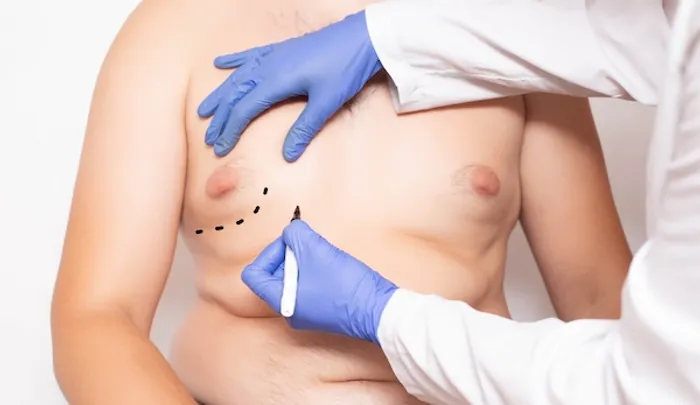
If you’re dealing with gynecomastia (enlarged breast tissue in males), you might wonder whether changing what you eat can help. While food alone rarely “cures” gynecomastia, a thoughtful gynecomastia diet can support healthy weight, help lower body fat that can worsen chest fullness, and promote overall hormone health. This guide outlines the best and worst foods, realistic expectations, and practical lifestyle steps, based on reputable medical sources.
Consult a Top General Practitioner for Personalised Advice
What is Gynecomastia?
Gynecomastia is the benign enlargement of male breast gland tissue. It differs from chest fat alone (often referred to as pseudogynecomastia), although both conditions can coexist.
Common Contributors Include:
- Normal hormone shifts (e.g., during puberty or ageing)
- Certain medications (for example, some anti-androgens, anabolic steroids and their withdrawal, some heart, ulcer, HIV, and psychiatric medications)
- Health conditions that affect hormones or the liver/kidneys
- Obesity (excess fat can increase the conversion of testosterone to estrogen in fat tissue)
Alcohol misuse
When to See a Clinician?
See a clinician when:
- A firm or growing lump on one side, nipple discharge, skin dimpling, or enlarged lymph nodes
- Tenderness or rapid changes
- New gynecomastia in adulthood
- A healthcare professional can evaluate causes and discuss options, which may include watchful waiting, medication, or surgery.
Can a Gynecomastia Diet Fix it?
- Short answer: Diet helps, but it’s not a guaranteed cure.
- What diet can do: Support gradual fat loss, which can reduce chest fat and may lessen the appearance of enlargement; improve metabolic and liver health; and help you feel better overall.
- What diet can’t do: Shrink true glandular breast tissue once established. If gynecomastia persists, is painful, or is distressing, medical treatments or surgery may be considered by your clinician.
Best Foods to Include in a Gynecomastia Diet
Base your plate on whole, minimally processed foods that support steady weight management and overall hormone health.
Build meals around plants
- Vegetables and fruits: Aim for a variety and plenty of fibre. Include colourful produce daily.
- Cruciferous vegetables: Broccoli, Brussels sprouts, cauliflower, kale, and cabbage are nutrient-dense and fit well in a balanced plan.
- Legumes: Beans, lentils, and peas provide fibre and protein to keep you full.
Choose Lean, Protein-Rich Foods
- UJFish and seafood: Fatty fish (salmon, sardines, trout) offer omega-3s that support heart and general health.
- Skinless poultry and eggs
- Low-fat dairy or fortified dairy alternatives
- Soy foods (tofu, edamame, tempeh, soy milk) are high in protein and, in typical amounts, are safe for men. Current evidence does not show that moderate soy intake lowers testosterone or causes gynecomastia.
Favour Healthy Fats
- Extra-virgin olive oil
- Nuts and seeds (walnuts, almonds, chia, flax)
- Avocado
Pick Smart Carbs
- Whole grains like oats, quinoa, brown rice, whole-wheat pasta, and barley
- Limit refined grains (white bread, pastries) to manage blood sugar and appetite
Hydrate Well
- Water, sparkling water, and unsweetened tea or coffee
- Limit sugary drinks, which add calories without fullness
Simple Plate Formula
- Half plate: vegetables and/or fruit
- Quarter plate: lean protein
- Quarter plate: whole grains or starchy vegetables
- Add a small serving of healthy fat
Foods and Habits to Avoid
Target items that make weight management harder or may negatively affect hormone and liver health.
Alcohol
- Heavy drinking can disrupt hormones and harm the liver, which may contribute to gynecomastia. If you drink, do so in moderation. If you’re trying to reduce chest fullness, cutting back or abstaining can help with calorie control and overall health.
Added Sugars and Refined Carbs
- Soda, energy drinks, candy, pastries, ultra-sweet coffee drinks
- Frequent spikes in blood sugar can increase hunger, making weight loss harder.
Ultra-Processed Foods
- Fast foods, packaged snacks, and processed meats are often high in calories, saturated fat, and sodium, which can promote weight gain.
Trans fats
- Avoid foods with “partially hydrogenated oils” on labels.
Unproven “hormone-balancing” or “gynecomastia” supplements
- Pills and powders marketed to “melt chest fat” or “block estrogen” lack reliable evidence and may be risky. Discuss any supplement with your clinician first.
Don’t fear soy in typical amounts
- Despite popular myths, research indicates that usual soy food intake does not reduce testosterone in men. If you enjoy soy, include it as one of several protein sources. If you prefer to limit soy, you can meet protein needs with fish, poultry, eggs, dairy, legumes, and nuts.
Practical Tips for Gynecomastia Diet
Practical tips include:
Set Realistic Expectations
- For adults, slow, steady fat loss of about 0.5 to 2 pounds per week is considered reasonable and sustainable. Chest shape may change gradually as you lose overall body fat.
Create a Gentle Calorie Deficit
- Fill up on high-fibre foods (vegetables, fruits, legumes, whole grains).
- Prioritise protein at each meal (20–30 grams for most adults) to help with fullness and preserve muscle.
- Use smaller plates, measure portions occasionally, and keep high-calorie snacks out of easy reach.
Move Your Body Regularly
- Physical activity supports weight control, mood, and metabolic health.
- Aim for at least 150 minutes per week of moderate-intensity aerobic activity (like brisk walking or cycling), plus 2 or more days per week of muscle-strengthening for major muscle groups.
- Include some chest, back, and core strength moves to improve posture and confidence. Exercise won’t remove gland tissue, but it helps reduce overall fat and improves appearance.
Support Sleep and Stress Management
- Adults generally need 7–9 hours of sleep. Poor sleep can increase hunger and cravings.
- Try simple stress relievers: walking, stretching, breathing exercises, and time outdoors.
Be Mindful of Everyday Exposures
- While diet is the main focus, minimising unnecessary exposure to endocrine-active chemicals where practical can be reasonable: avoid microwaving food in plastic, choose glass or stainless steel for hot foods and drinks, and rinse canned foods. These steps are general wellness habits; their direct impact on gynecomastia is uncertain.
When is the Diet not Enough?
Diet is not enough when:
- Pubertal gynecomastia usually improves within months to a couple of years.
- In adults, persistent or painful gynecomastia may be evaluated for underlying causes. If needed, clinicians may consider medications for recent, tender gynecomastia or surgery to remove persistent gland tissue.
- Always review medications and supplements with your clinician; do not stop prescriptions without medical guidance.
A Sample Day For Gynecomastia Diet
A sample day includes:
- Breakfast: Scrambled eggs with spinach and tomatoes, whole-grain toast, berries, and coffee or tea
- Snack: Greek yoghurt or soy yoghurt with sliced banana and walnuts
- Lunch: Grilled salmon over quinoa with roasted broccoli and carrots; olive oil–lemon dressing; sparkling water
- Snack: Apple with peanut or almond butter
- Dinner: Stir-fry with tofu or chicken, mixed vegetables (broccoli, bell pepper, snap peas), brown rice; side salad
- Dessert (optional): A small square of dark chocolate and herbal tea.
Key Takeaways
- A gynecomastia diet supports fat loss and overall health, but isn’t a guaranteed cure.
- Emphasise plants, lean proteins, whole grains, and healthy fats; limit alcohol, added sugars, and ultra-processed foods.
- Keep expectations realistic, stay active, and talk with a healthcare professional if symptoms are new, worsening, or bothersome.
Consult a Top General Practitioner for Personalised Advice
Consult a Top General Practitioner for Personalised Advice

Dr. Vivek D
General Physician
4 Years • MBBS
Bengaluru
PRESTIGE SHANTHINIKETAN - SOCIETY CLINIC, Bengaluru

Dr. Anand Ravi
General Physician
2 Years • MBBS
Bengaluru
PRESTIGE SHANTHINIKETAN - SOCIETY CLINIC, Bengaluru

Dr Syed Mateen Pasha
General Physician
2 Years • MBBS
Bengaluru
PRESTIGE SHANTHINIKETAN - SOCIETY CLINIC, Bengaluru

Dr. Debajyoti Goswami
Obstetrician and Gynaecologist
10 Years • MBBS,D.G.O(DNB),Adv. Infertility Tech.(AIIMS),Fellowship in Diabetes(U.K),Comprehensive Abortion Care(Govt. Of W.B), Certificate in Clinical Embryology(AIIMS, BHUBANESWAR)
Bankura
D.G Clinic, Bankura

(25+ Patients)

Dr. Madhuri Sai Sreepada
General Practitioner
9 Years • MBBS
Hyderabad
BRIGHT SMILES MEDICARE & DENTAL CARE, Hyderabad
Consult a Top General Practitioner for Personalised Advice
Dr. Vivek D
General Physician
4 Years • MBBS
Bengaluru
PRESTIGE SHANTHINIKETAN - SOCIETY CLINIC, Bengaluru
Dr. Anand Ravi
General Physician
2 Years • MBBS
Bengaluru
PRESTIGE SHANTHINIKETAN - SOCIETY CLINIC, Bengaluru
Dr Syed Mateen Pasha
General Physician
2 Years • MBBS
Bengaluru
PRESTIGE SHANTHINIKETAN - SOCIETY CLINIC, Bengaluru
Dr. Debajyoti Goswami
Obstetrician and Gynaecologist
10 Years • MBBS,D.G.O(DNB),Adv. Infertility Tech.(AIIMS),Fellowship in Diabetes(U.K),Comprehensive Abortion Care(Govt. Of W.B), Certificate in Clinical Embryology(AIIMS, BHUBANESWAR)
Bankura
D.G Clinic, Bankura
(25+ Patients)
Dr. Madhuri Sai Sreepada
General Practitioner
9 Years • MBBS
Hyderabad
BRIGHT SMILES MEDICARE & DENTAL CARE, Hyderabad
More articles from General Medical Consultation




Frequently Asked Questions
Can diet cure gynecomastia?
Diet alone usually does not reverse true glandular breast tissue. However, a balanced eating plan that reduces body fat can lessen chest fullness and improve overall health. Persistent, painful, or distressing gynecomastia should be evaluated by a clinician.
Does soy cause gynecomastia?
Current evidence shows that moderate soy food intake does not lower testosterone or cause gynecomastia in men. Enjoy soy as part of a varied diet if you like it.
Which foods reduce estrogen in men?
No single food has a proven, direct “anti-estrogen” effect in men. Focus on overall healthy eating patterns: plenty of vegetables and fruits, adequate protein, whole grains, healthy fats, limited alcohol, and fewer ultra-processed foods. This helps weight control, which can reduce fat-related hormone imbalance.
How long does a gynecomastia diet take to work?
Visible changes depend on your starting point and consistency. Many people notice changes in body composition within 4–12 weeks of steady habits. True gland tissue will not disappear with diet alone, but fat loss can reduce overall chest size.
Should I try supplements or “estrogen blockers” sold online?
Be cautious. Many products marketed for gynecomastia lack quality evidence and can carry risks or interact with medications. Speak with your clinician before using any supplement.