

Incredible Health Benefits Of Fennel Seeds
Discover fennel seeds benefits (saunf) as a natural digestive aid for gas and bloating, plus safe use, simple recipes, FAQs, and trusted references.

Written by Dr. Mohammed Kamran
Reviewed by Dr. Shaik Abdul Kalam MD (Physician)
Last updated on 14th Jan, 2026
Introduction
Fennel seeds, known as saunf in many parts of the world, have been chewed after meals for centuries. People love them for their gentle taste, fresh aroma, and the way they seem to soothe a full belly. Today, modern interest in fennel seeds benefits is growing - especially for those looking for a natural digestive aid and simple, everyday wellness habits. In this article, we’ll look at what fennel seeds are, what science and tradition say about Saunf health, how to use them, and how to stay safe.
What are Fennel Seeds (Saunf)?
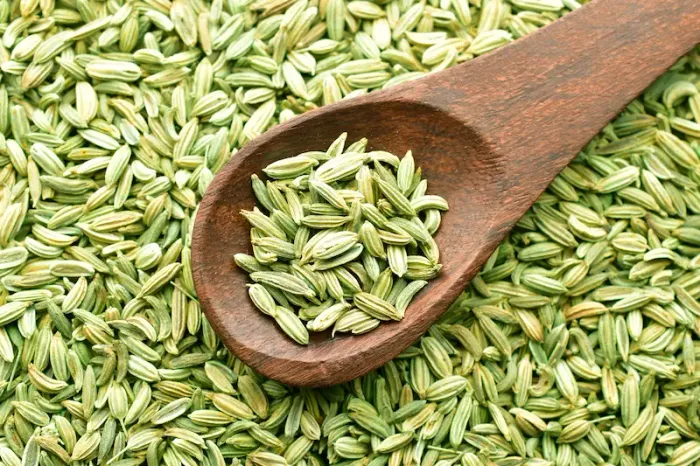
Fennel (Foeniculum vulgare) is a flowering plant in the carrot family. The feathery leaves and crunchy bulb are used as vegetables, while the small, oval, greenish seeds are used as a spice and in herbal teas. Fennel seeds have a sweet, licorice-like flavor thanks to natural aromatic compounds (such as anethole). In many households, a pinch of saunf is offered after meals to freshen breath and aid digestion.
Consult Top Specialists Here
Science-Backed Fennel Seeds Benefits
Let’s explore the main ways fennel may support health:
Digestive Aid: Gentle Support for Gas and Bloating
Here’s how fennel can ease common digestive complaints:
- Traditional carminative: Fennel seeds have been used in many cultures as a carminative - an herb that helps relieve gas and bloating
- After-meal comfort: Chewing a small amount of saunf after eating or sipping fennel tea may help some people feel less gassy and more comfortable.
- Possible antispasmodic effect: Compounds in fennel may relax the smooth muscles of the digestive tract, which could help ease cramping and support motility. Evidence comes from traditional use and small studies; individual responses vary.
Breath Freshening and Mouth Comfort
Here’s why many cultures favour saunf as a post-meal ritual:
- Natural freshener: Chewing fennel seeds can help temporarily reduce food odours and leave a pleasant taste.
- Gentle on the mouth: Lightly sweet and aromatic, saunf is a popular, sugar-free alternative to breath mints in many culinary traditions.
Antioxidant and Plant-Compound Support
Here’s what fennel contributes beyond flavour:
- Phytonutrients: Fennel seeds contain aromatic compounds and polyphenols with antioxidant activity in lab studies. Antioxidants help protect cells from oxidative stress; however, the clinical significance of fennel seed antioxidants at typical culinary doses is not fully established.
- Practical takeaway: Using herbs and spices like fennel to season food can reduce reliance on excess salt or sugar while adding flavour and aroma.
Menstrual Comfort: What Research Suggests
Here’s the cautious summary of studies on menstrual cramps:
- Cramps: Small clinical studies have explored fennel (often as extracts or oils) for primary dysmenorrhea (menstrual cramps), with some suggesting reduced pain and improved comfort compared to placebo. These studies are limited in size and quality, so more research is needed.
- Use wisely: If you’re considering fennel supplements for cramps, talk with a clinician - especially if you have hormone-sensitive conditions or take medications.
Infant Colic and Lactation
Here’s what to keep in mind for babies and breastfeeding:
- Colic: Some small studies have investigated fennel oil emulsions for infant colic. Safety for infants requires special caution, and concentrated oils should not be given to babies. Always consult a paediatrician before using any herbal remedy for infants.
- Milk supply: Fennel is a traditional “galactagogue” (used to support milk production), but scientific evidence is mixed and limited. Breastfeeding parents should speak with their healthcare provider before using fennel supplements.
Heart and Metabolic Health: Flavour that Supports Healthier Choices
Here’s a practical way to think about fennel for metabolic health:
- Flavour strategy: While fennel seeds themselves are not a magic solution for heart or metabolic health, using spices like fennel to build flavour can help you cook more at home, enjoy fibre-rich dishes, and rely less on high-sodium seasonings.
- Nutrient notes: Fennel seeds contain small amounts of fibre and minerals. Portions used as a spice are small, so think of fennel as a helpful flavour tool within an overall balanced eating pattern.
How to Use Fennel Seeds for Saunf Health?
Here’s how to include fennel in everyday cooking and remedies:
- Chew after meals
o Start with 1/2 to 1 teaspoon of plain fennel seeds after eating. Chew thoroughly.
o Optionally, dry-roast seeds lightly in a pan to enhance aroma. - Make fennel tea (tisane)
o Lightly crush 1 to 2 teaspoons of fennel seeds.
o Steep in 1 cup of hot water for 10–15 minutes; strain and sip warm.
o Enjoy after meals or in the evening. Avoid giving concentrated teas to infants or young children. - Use as a spice
o Add crushed or whole seeds to dals, curries, vegetable sautés, fish or chicken rubs, and roasted root vegetables.
o Mix with other spices (coriander, cumin) for flavorful, lower-salt cooking. - DIY mouth freshener
o Combine roasted fennel seeds with unsweetened shredded coconut or toasted sesame. Avoid sugar-heavy mixes if you’re watching added sugars.
Safe Use, Side Effects, and Who Should Avoid Fennel Supplements?
Food amounts of fennel seeds (like you’d use in cooking or a small after-meal pinch) are generally well tolerated for most healthy adults. Here’s what to watch for when using fennel beyond culinary amounts
- Allergies and sensitivities
o Fennel is in the Apiaceae family (carrot, celery, parsley). People with known allergies to related plants or with pollen-food allergy syndrome may react. Discontinue use and seek medical care if you notice symptoms such as itching, swelling, or difficulty breathing. - Skin sensitivity
o Essential oils can be irritating to skin and mucous membranes. Do not apply fennel essential oil without guidance. - Hormone-sensitive conditions
o Fennel has oestrogen-like activity. People with hormone-sensitive conditions (such as certain breast, uterine, or ovarian conditions, or endometriosis) should avoid concentrated fennel supplements unless advised by their clinician. - Pregnancy and breastfeeding
o Culinary use in food amounts is generally considered safe. Avoid concentrated extracts and essential oils unless your healthcare professional says otherwise. - Infants and children
o Do not give fennel essential oil to infants or young children. For any herbal tea or remedy in infants or children, consult a paediatrician first. - Medications and interactions
o Herbs can interact with medicines, including those affecting hormones or the liver’s metabolic enzymes. If you take prescription medications, anticoagulants, or have a chronic condition, speak with your clinician before using fennel supplements.
How Much is Reasonable?
Here’s a practical dosing guide for typical uses:
- Culinary use: A pinch to 1 teaspoon after meals, or 1 to 2 teaspoons per cup of tea, is common for adults.
- Supplements: Products vary widely in strength and purity. Because quality control can differ, discuss any supplement use with a healthcare professional who knows your medical history.
Buying, Storage, and Quality Tips
Here’s how to choose and store fennel for best flavour and safety:
- Choose whole seeds: Whole fennel seeds keep aroma better than pre-ground. Grind or crush just before use.
- Look for colour and aroma: Fresh seeds are greenish with a sweet, licorice scent. Dull or brown seeds may be older.
- Store smart: Keep in an airtight container away from heat, light, and moisture. Use within 6–12 months for best flavour.
- Be cautious with oils: Essential oils are highly concentrated. Use only if a qualified professional recommends them, and avoid in pregnancy and in children.
When to See a Healthcare Professional?
Here’s when to seek medical advice rather than self-treating:
- Persistent or severe digestive symptoms (pain, weight loss, blood in stool, nighttime symptoms, vomiting, or ongoing diarrhoea/constipation) should be evaluated by a clinician.
- If you have chronic conditions, are pregnant or breastfeeding, or take prescription medications, check in with your healthcare provider before starting any herbal supplement.
- If you develop signs of an allergic reaction, seek urgent care.
Consult Top Specialists Here
Conclusion
Fennel seeds (saunf) offer a simple, natural way to support digestion, add flavour to food, and complement everyday wellness routines. While their traditional benefits are well loved and some early research is promising, fennel works best as part of a balanced lifestyle rather than a stand-alone cure. Using fennel seeds in regular culinary amounts is generally safe for most adults, but concentrated supplements should be used with care, especially for those with allergies, hormone-sensitive conditions, or who are pregnant or breastfeeding. If symptoms persist, worsen, or raise concern, it’s always best to speak with a healthcare professional for personalised guidance.
Consult Top Specialists Here

Ms Malabika Datta
Dietician
19 Years • Bsc (Clinical Nutrition & Dietetics), Msc (Dietetics & Food Service Management)
Kolkata
Malabika’s Diet Clinic, Kolkata

Ms. Sushma Jaiswal
Dietician
42 Years • M.Sc.(Food & Nutrition)
Bengaluru
Swasthya Nutrition, Bengaluru

Ms. Neelanjana J
Dietician
5 Years • Bsc., Msc. Nutrition and Dietetics specialised general weight management, PCOS/PCOD weight loss and Diabetes management. A clinical dietitian with 4+ year experience specializing in evidence-based, result-oriented nutrition therapy. I have extensive experience in weight loss, thyroid management, PCOD/PCOS, weight gain, and diabetes & prediabetes care. My approach is personalized, practical, and sustainable—focusing on helping individuals achieve long-term lifestyle change rather than quick fixes. I work closely with clients to understand their medical history, lifestyle, and goals, and then design customized diet plans that support hormonal balance, metabolic health, and overall wellbeing. My goal is to make nutrition simple, realistic, and effective—so you see measurable results and feel your healthiest self.Auther in Health benefits of jackfruit (Artocarpus heterophyllus Lam.) seeds: A review (2023) The Pharma Innovation Journal Co- Auther in Malnutrition in Women: A review (2023) The Pharma Innovation Journal. Highfield Level 3 in HACCP. Highfield Level 4 International Award in Food Safety Managment
Bengaluru
Apollo Clinic, JP nagar, Bengaluru
Ms Chetu Singhi
Dietician
20 Years • MSC Dietetics & Nutrition
Kolkata
RB Diagnostic - Dietician Diet2fit Chetu Singhi, Kolkata
Ms Geetanjali Mengi
Dietician
20 Years • BSC, MSC Dietetics & Food Service Management, PG Diploma in Dietetics & Hospital Food Service
Mumbai
Geetanjali Medical Nutrition Clinic, Mumbai
(25+ Patients)
Consult Top Specialists Here
Ms Malabika Datta
Dietician
19 Years • Bsc (Clinical Nutrition & Dietetics), Msc (Dietetics & Food Service Management)
Kolkata
Malabika’s Diet Clinic, Kolkata
Ms. Sushma Jaiswal
Dietician
42 Years • M.Sc.(Food & Nutrition)
Bengaluru
Swasthya Nutrition, Bengaluru
Ms. Neelanjana J
Dietician
5 Years • Bsc., Msc. Nutrition and Dietetics specialised general weight management, PCOS/PCOD weight loss and Diabetes management. A clinical dietitian with 4+ year experience specializing in evidence-based, result-oriented nutrition therapy. I have extensive experience in weight loss, thyroid management, PCOD/PCOS, weight gain, and diabetes & prediabetes care. My approach is personalized, practical, and sustainable—focusing on helping individuals achieve long-term lifestyle change rather than quick fixes. I work closely with clients to understand their medical history, lifestyle, and goals, and then design customized diet plans that support hormonal balance, metabolic health, and overall wellbeing. My goal is to make nutrition simple, realistic, and effective—so you see measurable results and feel your healthiest self.Auther in Health benefits of jackfruit (Artocarpus heterophyllus Lam.) seeds: A review (2023) The Pharma Innovation Journal Co- Auther in Malnutrition in Women: A review (2023) The Pharma Innovation Journal. Highfield Level 3 in HACCP. Highfield Level 4 International Award in Food Safety Managment
Bengaluru
Apollo Clinic, JP nagar, Bengaluru
Ms Chetu Singhi
Dietician
20 Years • MSC Dietetics & Nutrition
Kolkata
RB Diagnostic - Dietician Diet2fit Chetu Singhi, Kolkata
Ms Geetanjali Mengi
Dietician
20 Years • BSC, MSC Dietetics & Food Service Management, PG Diploma in Dietetics & Hospital Food Service
Mumbai
Geetanjali Medical Nutrition Clinic, Mumbai
(25+ Patients)
More articles from General Medical Consultation



Frequently Asked Questions
1) How much fennel seed can I have daily?
For most healthy adults, culinary amounts are reasonable: 1/2 to 1 teaspoon after meals, or 1 to 2 teaspoons steeped in a cup of hot water for tea. If you’re considering capsules, extracts, or essential oils, talk to your clinician first.
2) Can fennel seeds really help with gas and bloating?
Many people find fennel soothing after meals, and it has a long history of use as a carminative. Some small studies suggest it may help relieve mild gas and cramping, but results vary. If bloating is persistent or severe, see a healthcare professional.
3) Are fennel seeds safe during pregnancy or breastfeeding?
In normal food amounts, fennel is generally considered safe. Avoid high-dose supplements or essential oils unless your healthcare professional advises otherwise. If breastfeeding, discuss any herbal use (including fennel) with your clinician.
4) Do fennel seeds help with weight loss?
Fennel seeds aren’t a weight-loss cure. They can, however, add satisfying flavour to meals and teas without added calories, helping you enjoy balanced dishes and reduce reliance on high-sodium or sugary seasonings. Sustainable weight goals still depend on overall diet and activity.
5) Can I give fennel tea to a baby for colic?
Do not give essential oils to infants. While some small studies have examined fennel preparations for colic, safety in infants requires special care. Always consult your paediatrician before using any herbal product for a baby.