


Gardening Benefits: Physical and Mental Health Advantages
Explore gardening benefits for body and mind. See how it supports fitness, mood, and stress relief, with easy tips, FAQs, and trusted medical sources.

Introduction
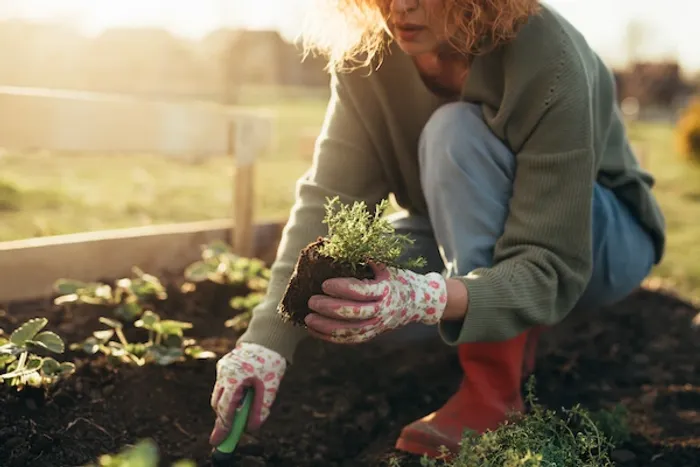
If you’re looking for a simple way to move more, feel better, and spend time outdoors, gardening is a great place to start. It offers powerful gardening benefits for both your body and mind. Whether you tend a few containers on a balcony or care for a backyard plot, you’ll be getting physical activity, time in nature, and a calming routine that supports stress relief. The best part? You can tailor it to your space, schedule, and abilities.
Top Gardening Benefits For Your Body
Gardening is a physical activity, and your body counts it. Many common tasks, such as raking, digging, pushing a wheelbarrow, or carrying watering cans, can be moderate-intensity exercise. That means they help you work toward the weekly activity targets recommended by health authorities.
Key Physical Health Benefits
Key physical health benefits include:
- Heart health support: Regular moderate activity helps reduce the risk of heart disease and can help lower blood pressure.
- Blood sugar and weight management: Moving your body helps your muscles use glucose and supports a healthy weight.
- Strength, balance, and flexibility: Lifting soil or mulch, squatting, reaching, and stepping over uneven ground engage multiple muscle groups and can improve functional fitness.
- Better sleep: Physical activity is linked with improved sleep quality and duration.
- Bone health and vitamin D (with sun safety): Time outside may help your body make vitamin D, which supports bone health. Protect your skin with sun safety habits (details below).
Gardening Benefits For Mental Health And Stress Relief
Spending time in green spaces, plus moving your body, is a powerful combination for your mind. Gardening can:
- Promote stress relief: Gentle, repetitive tasks and being outdoors can help quiet racing thoughts and ease tension.
- Boost mood and lessen anxiety: Physical activity is linked with improved mood and lower symptoms of anxiety and depression.
- Encourage mindfulness: Gardening invites you to focus on sights, smells, textures, and the present moment.
- Build social connection: Community gardens and neighborhood projects create opportunities to meet others, a known protective factor for mental well-being.
- Support cognitive health: Regular activity and time in nature are associated with better attention and thinking skills.
Consult a Top General Physician
How Much Gardening Counts As Exercise?
You don’t need marathon sessions to reap the benefits.
- Aim for at least 150–300 minutes of moderate-intensity aerobic activity per week (for most adults), plus muscle-strengthening activities on 2 or more days. Gardening that raises your heart rate slightly and makes you breathe a bit harder can count toward the aerobic goal.
- Short sessions add up. Try 10–20 minutes most days. Raking leaves, weeding briskly, or digging in short bursts contribute to your weekly total.
- Mix tasks for a balanced “workout.” Rotate between light and more vigorous tasks to reduce strain and engage different muscle groups.
- Listen to your body. If a task makes you hold your breath, strain, or feel off-balance, modify it or take a break.
Simple Ways To Turn Garden Time Into Healthy Movement
- Warm up: March in place for a minute or two and do gentle shoulder, hip, and wrist rolls.
- Alternate sides: Switch hands when raking or hoeing to avoid overuse.
- Use your legs: Bend your knees and hinge at the hips instead of rounding your back when lifting.
- Pace yourself: Set a timer for 15–20 minutes, then rest, hydrate, and stretch.
- Make it mindful: Tune into the sensations, breath, breeze, smells, and textures, to deepen calm and enjoyment.
Do It Safely: Easy Precautions To Prevent Injury And Illness
A few simple habits make gardening safer and more comfortable.
Protect Your Skin And Eyes
- Use broad-spectrum sunscreen (SPF 15 or higher), reapply at least every two hours, and wear a wide-brimmed hat and UV-blocking sunglasses.
- Garden in the early morning or late afternoon to avoid peak sun.
Prevent Heat Stress
- Drink water before, during, and after your garden.
- Take breaks in the shade; watch for signs of overheating such as dizziness, headache, or nausea.
Care For Your Joints And Back
- Use knee pads or a garden kneeler and change positions often.
- Choose long-handled or ergonomic tools to reduce bending and strain.
- Break heavy loads into smaller ones or use a wheelbarrow.
Avoid Cuts, Bites, And Infections
- Wear gloves and closed-toe shoes.
- Be careful around thorns, spines, and sharp tools.
- Keep your tetanus vaccination up to date; ask your clinician if you’re unsure.
- Protect against ticks and mosquitoes with repellent, and check your skin after outdoor work.
Mind Allergies And Respiratory Issues
- If pollen triggers symptoms, consider wearing a mask on high-pollen days and plan tasks when pollen counts are lower (often after rain or in the evening).
- If you have asthma or severe allergies, keep your rescue inhaler or medications handy and follow your care plan.
Make Gardening Accessible For Everybody
Gardening is highly adaptable. If you have limited space, mobility challenges, or chronic conditions, try these options:
- Start small: One or two containers of herbs or salad greens can be rewarding and manageable.
- Raise the garden: Use raised beds or vertical planters to reduce bending.
- Choose adaptive tools: Look for lightweight, long-handled, or padded-grip tools.
- Sit and garden: A sturdy stool or bench can take pressure off your back and knees.
- Plan rest breaks: Use a timer to remind you to stretch and hydrate.
- Talk with your healthcare provider: If you have heart, lung, joint, or balance concerns, ask for guidance on safe activity levels and any precautions.
A Simple Beginner Plan For The Week
- Day 1 (10–15 minutes): Walk your space, remove light debris, and plan your tasks. Gentle stretch afterward.
- Day 2 (15–20 minutes): Container or bed prep, loosen soil, mix in compost, and lay out tools.
- Day 3 (10–15 minutes): Plant herbs or leafy greens. Water with a watering can or hose using good posture.
- Day 4 (Rest or light task): Read plant tags, label containers, or sketch a layout.
- Day 5 (15–20 minutes): Weed for 10 minutes, then mulch. Switch hands midway.
- Day 6 (15 minutes): Prune or stake plants lightly; finish with a short walk around the yard.
- Day 7 (Rest and enjoy): Sit outside, notice your plants, breathe deeply, and appreciate your progress.
This routine adds up to meaningful movement, supports mindfulness, and keeps your garden progressing, all while delivering key gardening benefits.
Consult a Top General Physician
When To Pause And Seek Advice?
- New or worsening chest pain, unusual shortness of breath, dizziness, or severe joint pain are signals to stop and check in with a clinician.
- If you have a recent surgery, uncontrolled blood pressure, or balance problems, ask your healthcare team for personalized activity guidance before starting.
Consult a Top General Physician

Dr. Rajib Ghose
General Physician/ Internal Medicine Specialist
25 Years • MBBS
East Midnapore
VIVEKANANDA SEBA SADAN, East Midnapore

Dr. Anand Ravi
General Physician
2 Years • MBBS, FEM
Bengaluru
PRESTIGE SHANTHINIKETAN - SOCIETY CLINIC, Bengaluru

Dr. Shamanth Y B
General Physician/ Internal Medicine Specialist
5 Years • MBBS
Bengaluru
Apollo Medical Center, Marathahalli, Bengaluru

(50+ Patients)

Dr. Arthi S
Family Physician
3 Years • MBBS
Bengaluru
PRESTIGE SHANTHINIKETAN - SOCIETY CLINIC, Bengaluru

Dr. Sougata Kumar
General Practitioner
9 Years • MBBS
East Midnapore
VIVEKANANDA SEBA SADAN, East Midnapore
Consult a Top General Physician
Dr. Rajib Ghose
General Physician/ Internal Medicine Specialist
25 Years • MBBS
East Midnapore
VIVEKANANDA SEBA SADAN, East Midnapore
Dr. Anand Ravi
General Physician
2 Years • MBBS, FEM
Bengaluru
PRESTIGE SHANTHINIKETAN - SOCIETY CLINIC, Bengaluru
Dr. Shamanth Y B
General Physician/ Internal Medicine Specialist
5 Years • MBBS
Bengaluru
Apollo Medical Center, Marathahalli, Bengaluru
(50+ Patients)
Dr. Arthi S
Family Physician
3 Years • MBBS
Bengaluru
PRESTIGE SHANTHINIKETAN - SOCIETY CLINIC, Bengaluru
Dr. Sougata Kumar
General Practitioner
9 Years • MBBS
East Midnapore
VIVEKANANDA SEBA SADAN, East Midnapore
More articles from General Medical Consultation




Frequently Asked Questions
Does gardening count as exercise?
Yes. Many garden tasks are moderate-intensity activities that raise your heart rate and breathing. They can count toward the weekly physical activity goals recommended for adults. Start gently and build up time as you feel comfortable.
Can gardening help with stress relief?
It often does. Physical activity helps reduce stress and improve mood, and spending time in nature is linked with mental well-being. Even short sessions can provide a calming reset.
How long should I garden to see benefits?
Benefits can start with just a few minutes. Aim to accumulate about 150 minutes of moderate-intensity activity per week, in any mix of short or longer sessions. Consistency matters more than perfection.
Is gardening safe for older adults or people with joint pain?
Usually, yes, with modifications. Try raised beds, lighter tools, frequent position changes, and short sessions with rest breaks. If you have arthritis, heart, or balance issues, ask your clinician for tailored advice.
Should I skip sunscreen to make more vitamin D while gardening?
No. It’s important to protect your skin. Use broad-spectrum sunscreen, wear protective clothing, and seek shade when you can. If you’re concerned about vitamin D, ask your clinician about testing, diet, or supplements.