


Makhana (Fox Nuts): Health Benefits
Discover makhana benefits: nutrition, heart and weight-friendly tips, portions, and healthy recipes. Learn how to enjoy fox nuts the smart way.

Written by Dr. Dhankecha Mayank Dineshbhai
Reviewed by Dr. Shaik Abdul Kalam MD (Physician)
Last updated on 13th Jan, 2026
Introduction: Why Makhana Matters
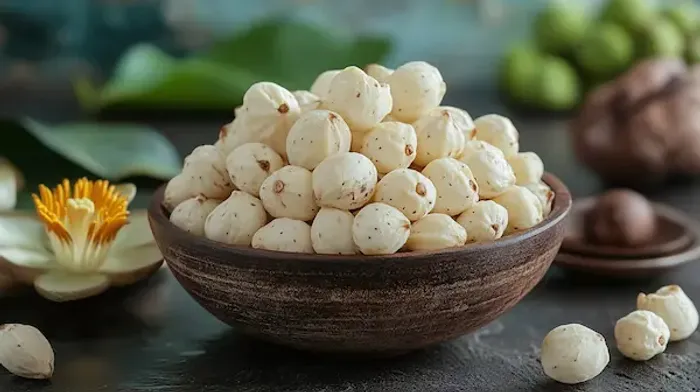
Makhana, also known as fox nuts or popped lotus seeds, has become increasingly popular among people looking for light, wholesome snacks that are easy to prepare and versatile in flavour. Its gentle crunch, mild taste, and compatibility with a variety of seasonings make it an appealing choice for everyday snacking. Many people search for “makhana benefits” to understand whether this traditional ingredient fits within modern, health-conscious eating patterns. When enjoyed plain or lightly seasoned and consumed in sensible portions, makhana can complement broadly recommended nutrition habits focused on whole, minimally processed foods.
Consult a Top Nutritionist for Personalised Advice
What Is Makhana?
The makhana general info includes:
- Makhana are the popped seeds of Euryale ferox, an aquatic plant related to the water lily.
- They are commonly enjoyed across Asia, especially India, where they are roasted for snacks or added to curries,
desserts, and trail mixes. - Their mild flavour and airy, crisp texture make them ideal for both savoury seasoning blends and lightly sweet
preparations.
Top Makhana Benefits (At A Glance)
Top benefits at a glance are:
- Naturally low in sodium when unsalted and typically lower in fat than fried snacks.
- Contains plant-based protein and fibre, supporting fullness and digestive wellness.
- Provides minerals including magnesium, potassium, and phosphorus.
- Exceptionally versatile: simple to roast and flavour, or add to meals for crunch.
- Naturally gluten-free and suitable for vegetarian diets.
What You Get From Makhana?
Plain makhana offers a nutrient profile that can complement balanced diets. The exact composition varies by brand and
preparation method, but in general, makhana:
- Is rich in carbohydrates, with modest amounts of protein and fibre.
- Remains low in saturated fat and naturally low in sodium unless salted.
- Supplies minerals like magnesium, potassium, and phosphorus.
- Contains natural antioxidant compounds, such as flavonoids and phenolics. Although present, most evidence about
these compounds comes from laboratory or animal research; large human studies are limited. Therefore, these should
be considered supportive potentials rather than proven clinical benefits.
How Makhana Fits Into Healthy Eating Patterns?
Global nutrition guidance encourages eating more whole foods, moderating sodium, choosing fibre-rich snacks, and
limiting unnecessary additives. Makhana supports these principles when prepared thoughtfully:
- Choose unseasoned or lightly salted options to limit sodium.
- Roast at home using minimal oil or dry-roast altogether.
- Keep portion sizes appropriate since makhana is still a calorie-containing snack.
- Pair with protein and produce to create more filling combinations—for example, roasted makhana with chickpeas and
sliced vegetables or mixed into a yoghurt bowl with seeds and fruit.
The Science Behind Potential Health Benefits
Most of the health messaging around makhana stems from the principles that apply to foods high in fibre, low in
sodium, and minimally processed. Direct human research on makhana is limited, so its benefits are best seen as part of
broader, evidence-based dietary patterns.
Heart Health Support
- Choosing low-sodium foods can help support healthy blood pressure; plain makhana naturally fits this recommendation.
- Minerals such as potassium and magnesium contribute to maintaining normal blood pressure and heart rhythm.
- Diets high in fibre from varied plant foods are consistently linked with improved cardiovascular wellness.
Weight Management And Satiety
- The fibre and light protein content of makhana can help promote fullness, especially when used to replace fried, salty snacks.
- Its airy, crisp texture provides volume without heavy added fats when prepared simply.
- Pairing makhana with protein sources such as nuts or yoghurt may help maintain steadier energy and reduce between-
meal cravings.
Blood Sugar Balance
- Carbohydrate-rich foods affect blood sugar differently depending on processing, fibre content, and what they are eaten
with. - Because makhana is minimally processed and contains some fibre, it can fit into balanced meals if eaten in moderate
portions. - Pairing makhana with protein or healthy fats—for example, a few nuts or yoghurt—may support a steadier post-meal
blood glucose response.
Digestive Health
- Fibre contributes to bowel regularity and gut function. While makhana is not extremely high in fibre, it can still
contribute towards overall daily intake as part of a varied diet.
Gluten-Free Option
- Makhana is naturally gluten-free, making it suitable for people who avoid gluten due to coeliac disease or sensitivity. As
always, it is best to check packaging for flavour additives or cross-contamination warnings.
Makhana Benefits In Everyday Life
It includes:
- Snack swap: Replace high-sodium crisps with roasted makhana for a lighter alternative.
- Meal booster: Add roasted makhana to salads or soups for texture.
- Travel-friendly option: Pack a small container for a portable, non-messy snack.
- Family-friendly: Mild enough to adapt to a wide range of seasoning preferences.
How To Buy, Store, and Prepare Makhana?
Tips to buy, store and prepare akhana include:
Buying
- Look for plain or minimally flavoured varieties to control salt and oil.
- When choosing seasoned options, compare labels for sodium and added sugars.
Storage
- Store makhana in airtight containers in a cool, dry cupboard to maintain crispness.
- If they lose their crunch, lightly re-toast in a dry pan over low heat.
Simple Roasting Method
- Dry-roast makhana in a pan over low-medium heat for 6–8 minutes until crisp.
- Optionally, add a small amount of oil and toss in spices such as cumin, turmeric, black pepper, chilli, garlic powder,
lemon, or a pinch of salt. - For oven roasting, spread the makhana on a tray and bake at 150–160°C for 10–15 minutes, stirring halfway.
Healthy Seasoning Ideas
Seasoning ideas include:
- Classic savoury: Cumin, turmeric, black pepper, tiny pinch of salt.
- Pepper-lime: Cracked black pepper, lime zest, and a squeeze of lime.
- Herb and chilli: Dried oregano or thyme with chilli flakes and a little olive oil.
- Masala mix: Coriander, chilli powder, and a small amount of chaat masala.
- Lightly sweet: Cinnamon with a touch of date powder rather than refined sugar
Smart Portions and Who Should Be Cautious?
Small portions are to be consumed, and people who should observe caution include:
- Reasonable portions: A small bowl or handful works well for snacking. Even though light, makhana still contributes
calories, especially when cooked with ghee, oils, or syrups. - Sodium awareness: Flavoured varieties can be high in salt, which may affect blood pressure.
- Diabetes considerations: Makhana is carbohydrate-based; pairing with protein and fibre can help manage blood sugar
responses. - Kidney disease: Because it contains potassium, those on potassium-restricted diets should consult their clinician.
- Allergies: Makhana is not a nut but may be problematic for individuals with seed sensitivities; check labels carefully.
Easy, Healthy Makhana Snack Ideas
Easy & healthy snacks idaes are:
- Spiced roasted makhana: Dry-roast and toss with turmeric, cumin, black pepper, and lemon.
- Yoghurt chaat bowl: Mix roasted makhana with plain yoghurt, chopped cucumbers, tomatoes, and herbs.
- Balanced trail mix: Combine makhana with nuts, pumpkin seeds, and a few dried fruit pieces.
- Soup topper: Sprinkle roasted makhana over soups as a low-sodium alternative to croutons.
- Stir-fry crunch: Add roasted makhana to stir-fries just before serving.
Conclusion
Makhana is a versatile, gentle-tasting snack that fits easily into balanced eating patterns when prepared simply. Its
natural crispness, low sodium potential, and modest protein and fibre content make it a worthwhile option for replacing
fried, salty snacks. By roasting makhana lightly, choosing wholesome seasonings, and watching portion sizes, you can enjoy a satisfying snack that pairs well with nutrient-dense foods. Whether added to meals or eaten on its own, makhana can complement a wide range of dietary preferences and support mindful snacking habits.
Consult a Top Nutritionist for Personalised Advice
Consult a Top Nutritionist for Personalised Advice

Dr. Ramalinga Reddy
General Physician
5 Years • MBBS MD General medicine
Bengaluru
PRESTIGE SHANTHINIKETAN - SOCIETY CLINIC, Bengaluru

Dt. Ila Sharma
Clinical Nutritionist
18 Years • Master in food & Nutrition
Gurugram
VIPUL GREENS - SOCIETY CLINIC, Gurugram
Ms. Bhavana Shetty
Dietician
7 Years • DDHN & Masters in Clinical Nutrition & Dietetics
Bangalore
Apollo Sugar Clinic, Seetha circle bangalore, Bangalore

Dt. Prabhavathy
Clinical Nutritionist
8 Years • Msc Human Nutrition & Nutraceuticals
Madurai
Apollo Sugar Clinics, Madurai, Madurai

Dr Sumanth R
General Physician
2 Years • MBBS
Bengaluru
PRESTIGE SHANTHINIKETAN - SOCIETY CLINIC, Bengaluru
Consult a Top Nutritionist for Personalised Advice
Dr. Ramalinga Reddy
General Physician
5 Years • MBBS MD General medicine
Bengaluru
PRESTIGE SHANTHINIKETAN - SOCIETY CLINIC, Bengaluru
Dt. Ila Sharma
Clinical Nutritionist
18 Years • Master in food & Nutrition
Gurugram
VIPUL GREENS - SOCIETY CLINIC, Gurugram
Ms. Bhavana Shetty
Dietician
7 Years • DDHN & Masters in Clinical Nutrition & Dietetics
Bangalore
Apollo Sugar Clinic, Seetha circle bangalore, Bangalore
Dt. Prabhavathy
Clinical Nutritionist
8 Years • Msc Human Nutrition & Nutraceuticals
Madurai
Apollo Sugar Clinics, Madurai, Madurai
Dr Sumanth R
General Physician
2 Years • MBBS
Bengaluru
PRESTIGE SHANTHINIKETAN - SOCIETY CLINIC, Bengaluru
More articles from General Medical Consultation



Frequently Asked Questions
Q.What Are The Top Makhana Benefits?
Makhana offers a light, crunchy, naturally low-sodium snack with some fibre, plant protein, and essential minerals. When prepared simply, these features can support balanced snacking, heart health, and fuller, more satisfying eating patterns without relying on fried foods.
Q.Are Makhana Good For Weight Loss?
Makhana can assist with weight management because they provide crunch and volume without heavy oils when roasted lightly. Combining makhana with sources of protein and keeping portions moderate can help make snacks more filling. Sustainable weight management depends on overall diet and daily habits.
Q.Can People With Diabetes Eat Makhana?
Yes, but portion control is essential. Since makhana is mainly carbohydrate, it’s best paired with yoghurt, nuts, or vegetables to support steadier blood sugar levels. Monitoring your individual response and following personalised medical advice is important.
Q.Are Makhana High In Protein?
They contain some protein but not at levels comparable to nuts or legumes. Instead, makhana works well as a fibre-containing, crunchy snack that can be combined with other protein-rich foods to create a more balanced bowl or snack mix.
Q.Are There Any Side Effects Or Risks?
Plain makhana are generally well tolerated. The main concerns involve added salt, sugars, or ghee in commercial or heavily seasoned versions. People with potassium restrictions or food allergies should review ingredient labels and seek guidance if unsure.