


Top 15 High-Fiber Foods to Include in Your Daily Diet
Discover 15 high fiber foods to boost digestion, curb hunger, and support weight management. Easy swaps, tips, and FAQs from trusted health sources.

Written by Dr. Siri Nallapu
Reviewed by Dr. Dhankecha Mayank Dineshbhai MBBS
Last updated on 13th Jan, 2026
Introduction
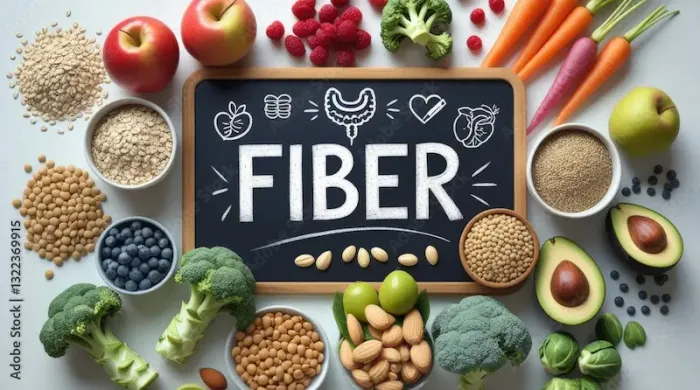
If you’re looking for simple ways to support digestion, feel full longer, and help with weight management, high fiber foods are a smart place to start. Fiber comes from plants, and it delivers big health benefits—from regular bowel movements and heart health to steady energy. In this guide, you’ll learn how much fiber you need, the difference between types of fiber, and the top 15 foods to add to your daily meals.
What Fiber Is and Why It Matters for Digestion and Weight Management?
• Fiber is the part of plant foods your body can’t fully break down. It travels through your gut and does important work along the way.
• Soluble fiber absorbs water and forms a gel. It can help lower LDL (“bad”) cholesterol and slow the rise of blood sugar after meals.
• Insoluble fiber adds bulk to stool and helps keep you regular—key for healthy digestion.
• Both types of fiber support a healthy gut microbiome, which is linked to better overall health.
How Much Fiber Do You Need?
• Many adults don’t get enough fiber. General guidance from major health organizations suggests:
• About 25 grams per day for adult women
• About 38 grams per day for adult men
• Needs may be slightly lower for adults over age 50
• Increase fiber gradually and drink enough water to reduce the chance of gas or bloating.
Tips for Adding Fiber Comfortably
• Make changes slowly over 1–2 weeks.
• Hydrate well—fiber works best with water.
• Spread fiber across meals and snacks.
• If you have a digestive condition (such as IBS) or are on a special diet, talk with your healthcare provider or a registered dietitian about the best choices for you.
Consult Top Specialists
Top 15 High-Fiber Foods to Include in Your Daily Diet
1) Lentils
Why they’re great
• Rich in both soluble and insoluble fiber to support digestion and steady energy.
• Also provide plant protein, iron, and potassium.
Easy ways to use
• Stir into soups, stews, or curries.
• Toss warm, cooked lentils with olive oil, herbs, and lemon as a side dish or salad topper.
Smart tip
• Red lentils cook quickly and break down into a creamy texture—perfect for thickening soups.
2) Black Beans
Why they’re great
• A hearty source of fiber plus protein, which helps you feel full—useful for weight management.
• Offer antioxidants and minerals.
Easy ways to use
• Add to tacos, burrito bowls, or grain bowls.
• Mash with spices for a quick bean spread on whole-grain toast.
Smart tip
• If canned, drain and rinse to reduce sodium.
3) Chickpeas (Garbanzo Beans)
Why they’re great
• Provide fiber for digestive regularity and sustained fullness.
• Versatile across cuisines—from hummus to roasted snacks.
Easy ways to use
• Blend into hummus; add to salads and soups.
• Roast with olive oil and spices for a crunchy snack.
Smart tip
• Try chickpea pasta for an easy fiber and protein boost at mealtime.
4) Split Peas
Why they’re great
• Among the most fiber-rich legumes; the soluble fiber supports heart health.
• Comforting and budget-friendly.
Easy ways to use
• Make a classic split pea soup with carrots, celery, and herbs.
• Add to veggie stews for extra thickness and body.
Smart tip
• Simmer with bay leaf or thyme for deep flavor without extra salt.
5) Oats
Why they’re great
• Provide beta-glucan, a soluble fiber linked with healthy cholesterol levels and steady digestion.
• Gentle on the stomach for many people.
Easy ways to use
• Overnight oats with fruit and nuts.
• Add oat bran or rolled oats to smoothies and baked goods.
Smart tip
• Choose old-fashioned or steel-cut oats for a satisfying texture.
6) Barley
Why it’s great
• Another top source of beta-glucan; helps support heart health and fullness.
• Chewy, nutty, and versatile.
Easy ways to use
• Swap in for rice in soups, pilafs, or grain bowls.
• Mix cooked barley with chopped veggies and vinaigrette.
Smart tip
• Look for hulled or whole-grain barley for the most fiber.
7) Chia Seeds
Why they’re great
• Tiny seeds that swell in liquid to form a gel—delivering soluble fiber that supports digestion and satiety.
• Also provide plant omega-3s.
Easy ways to use
• Make chia pudding with milk or a dairy alternative.
• Stir into yogurt, smoothies, or oatmeal.
Smart tip
• Start with 1–2 teaspoons and increase gradually, along with extra fluids.
8) Flaxseeds
Why they’re great
• Offer both fiber and plant omega-3s (ALA).
• Ground flaxseeds are easier to digest and absorb than whole seeds.
Easy ways to use
• Add ground flax to oatmeal, pancakes, or smoothies.
• Mix into turkey or veggie burgers for moisture and fiber.
Smart tip
• Store ground flaxseed in the fridge or freezer to protect the healthy fats.
9) Raspberries
Why they’re great
• One of the most fiber-rich berries; also high in vitamin C and antioxidants.
• Sweet, tangy, and hydrating.
Easy ways to use
• Top yogurt, cereal, or salads.
• Blend into smoothies or freeze for a cool snack.
Smart tip
• Frozen raspberries are an affordable, convenient option with similar nutrition.
10) Pears (with Skin)
Why they’re great
• The skin contains much of the fiber—great for digestive regularity.
• Naturally sweet and juicy.
Easy ways to use
• Slice into oatmeal or salads.
• Poach or bake with cinnamon for a simple dessert.
Smart tip
• Choose ripe but firm pears for best texture when slicing.
11) Avocado
Why it’s great
• Offers fiber plus heart-healthy fats—combination that keeps you full and supports balanced meals.
• Creamy texture suits many dishes.
Easy ways to use
• Mash on whole-grain toast with lemon and herbs.
• Dice into salads, tacos, or grain bowls.
Smart tip
• Add a squeeze of lime to prevent browning and perk up flavor.
12) Artichokes
Why they’re great
• A top vegetable source of fiber, including prebiotic fiber that helps nourish beneficial gut bacteria.
• Delicious steamed, roasted, or grilled.
Easy ways to use
• Enjoy steamed artichokes with a yogurt-herb dip.
• Add artichoke hearts to pasta, pizza, or salads.
Smart tip
• Jarred artichoke hearts are convenient; choose ones packed in water or drain oil well.
13) Broccoli
Why it’s great
• Offers fiber, vitamin C, and other nutrients in a low-calorie package.
• Supports digestive regularity.
Easy ways to use
• Roast with olive oil and garlic for caramelized edges.
• Stir-fry with soy sauce, ginger, and sesame.
Smart tip
• If you’re sensitive to cruciferous veggies, introduce small amounts and cook them well.
14) Sweet Potatoes (with Skin)
Why they’re great
• Fiber-rich, especially with the skin on, and contain vitamin A (as beta carotene).
• Comforting and versatile.
Easy ways to use
• Roast wedges or cubes for bowls and salads.
• Stuff baked sweet potatoes with beans, veggies, and salsa.
Smart tip
• Scrub well and keep the skin on to maximize fiber.
15) Almonds
Why they’re great
• Provide fiber, protein, and healthy fats—a satisfying snack that supports weight management goals.
• Portable and shelf-stable.
Easy ways to use
• Snack on a small handful with fruit.
• Sprinkle sliced almonds over yogurt, oats, or salads.
Smart tip
• Choose unsalted, dry-roasted almonds to limit added oils and sodium.
Soluble vs. Insoluble Fiber at a Glance
• Soluble fiber: Found in oats, barley, beans, lentils, chia, flax, and many fruits. Helps lower LDL cholesterol and slows digestion for steadier blood sugar.
• Insoluble fiber: Found in whole vegetables, skins of fruits, nuts, seeds, and whole grains. Adds bulk to stool and helps food pass through the gut efficiently.
• Most plant foods contain a mix of both. Eating a variety of high fiber foods helps you get the benefits of each.
Simple Daily Swaps to Boost Fiber
• Breakfast: Choose oatmeal instead of low-fiber cereal; top with raspberries and ground flax.
• Lunch: Build a grain bowl with barley, chickpeas, broccoli, and avocado.
• Snack: Try a pear with a small handful of almonds.
• Dinner: Enjoy lentil soup or a sweet potato topped with black beans and salsa.
Safety and Special Considerations
• Increase fiber slowly if you’re currently eating a low-fiber diet.
• Drink enough water throughout the day.
• If you have IBS or another digestive condition, some high-fiber foods (especially certain beans or cruciferous vegetables) may cause symptoms; a healthcare professional can help you personalize choices.
• For those with swallowing difficulties or on restricted-fiber diets (for example, during certain medical treatments), follow your clinician’s guidance.
Consult Top Specialists
Consult Top Specialists

Dr. Shiv Prakash Singh
Ayurveda Practitioner
19 Years • BAMS
Kolkata
Vedhive Ayurveda College Street, Kolkata

(50+ Patients)

Dr. Anjan Das
Ayurveda Practitioner
8 Years • Ayurvedacharya ( B.A.M.S )
Dumdum
Vedhive Ayurveda Clinic, Dumdum

Dr. Rik Sadhukhan
Ayurveda Practitioner
8 Years • BAMS
Kolkata
Vedhive Ayurveda, Ballygunge, Kolkata
Consult Top Specialists
Dr. Shiv Prakash Singh
Ayurveda Practitioner
19 Years • BAMS
Kolkata
Vedhive Ayurveda College Street, Kolkata
(50+ Patients)
Dr. Anjan Das
Ayurveda Practitioner
8 Years • Ayurvedacharya ( B.A.M.S )
Dumdum
Vedhive Ayurveda Clinic, Dumdum
Dr. Rik Sadhukhan
Ayurveda Practitioner
8 Years • BAMS
Kolkata
Vedhive Ayurveda, Ballygunge, Kolkata
More articles from General Medical Consultation




Frequently Asked Questions
1) What’s the difference between soluble and insoluble fiber?
• Soluble fiber dissolves in water and forms a gel. It can help lower LDL cholesterol and slow digestion slightly, which may help with appetite control.
• Insoluble fiber does not dissolve in water. It adds bulk to stool and supports regularity. Most plant foods provide a mix.
2) How much fiber should I eat each day?
Many experts suggest about 25 grams a day for adult women and about 38 grams a day for adult men, with slightly lower targets after age 50. Aim to build up gradually and drink enough water.
3) Can fiber help with weight management?
Fiber-rich foods are filling and often lower in calories per bite. They can help you feel satisfied on fewer calories and support steady energy, which may help with weight management when combined with healthy eating and regular activity.
4) Are fiber supplements as good as foods?
Supplements like psyllium can be helpful for some people, especially for regularity or cholesterol management. However, whole foods provide a wider range of nutrients and different types of fiber, plus antioxidants and phytochemicals. Talk to your healthcare provider before starting a supplement.
5) How can I increase fiber without bloating?
• Go slow: add one high-fiber food at a time over 1–2 weeks.
• Drink more water.
• Try cooked vegetables and legumes first (they’re often easier to tolerate than raw).
• Consider smaller portions spread across meals.
If discomfort continues, consult a clinician or registered dietitian.