


Home Remedies For Cracked Heels: Soft Feet Guide
Discover cracked heel remedies, foot care routines, and dry skin tips for soft, healthy feet, safe home treatments, plus when to see a doctor.

Written by Dr. Dhankecha Mayank Dineshbhai
Reviewed by Dr. Rohinipriyanka Pondugula MBBS
Last updated on 14th Jan, 2026
Introduction
Dry, cracked heels can be painful, snag on socks or bedding, and sometimes lead to infection if fissures deepen. The good news: simple, consistent home care often restores soft, healthy skin. If you’re searching for cracked heel remedies, smart foot care, and practical dry skin tips, this guide will walk you through what works, what to avoid, and when to get medical help.
What Causes Cracked Heels?
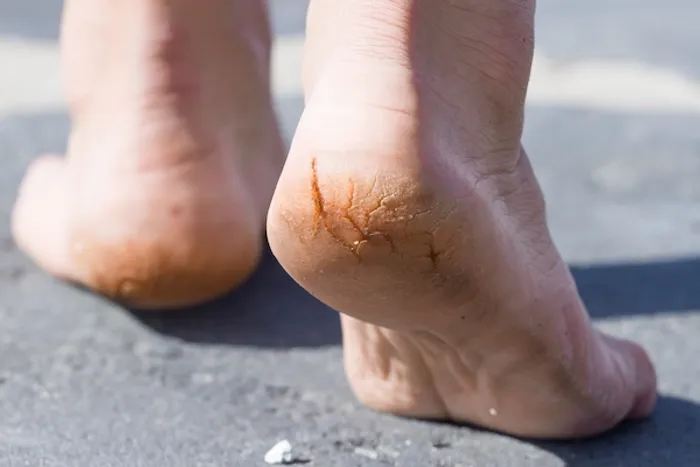
Cracked heels, medically known as heel fissures, occur when the dry, thickened skin around the heel loses elasticity and splits under the pressure of body weight.
Cracks (heel fissures) form when dry, thickened skin around the heel splits under pressure.
Common contributors are:
- Dry Skin (Xerosis): Especially in low-humidity climates or during winter.
- Prolonged Standing: Spending long periods on hard floors.
- Open-Back Shoes or Thin Soles: These allow the fat pad to expand sideways, stressing the skin.
- Hot Showers and Harsh Soaps: These strip the skin's natural oils.
- Aging: Skin produces less oil and becomes less elastic.
- Skin Conditions: Like eczema or psoriasis.
- Athlete’s Foot (Fungal Infection): This can cause peeling, itching, and cracks.
- Medical Issues: Such as diabetes or hypothyroidism.
- Higher Body Weight: This increases pressure on the heel skin.
Consult a Top General Physician
Quick Safety Notes Before You Try Home Care
- If you have underlying health issues, especially those affecting circulation or sensation, consult a healthcare professional before attempting self-treatment.
- If you have diabetes, poor circulation, nerve damage (neuropathy), or a foot wound, talk with a clinician before self-treating. These conditions raise the risk of complications.
- Seek care urgently if you notice signs of infection: redness spreading, warmth, swelling, drainage, pus, fever, or worsening pain.
- Avoid using razors, blades, or “callus shavers” at home. They can cause injury and infection.
- Stop any product that stings or irritates your skin and ask a clinician for alternatives.
A Simple, Step-By-Step Routine: Practical Cracked Heel Remedies
Consistency is key to healing cracked heels. Follow this nightly routine for one to two weeks to promote skin repair.
Follow this nightly routine for 1-2 weeks to jump-start healing. Consistency matters more than any single product.
1) Soak And Soften
Preparing the skin with a warm, gentle soak is the first step toward effective treatment.
- Soak feet in lukewarm (not hot) water for 10-15minutes. Hot water worsens dryness.
- Use a gentle, fragrance-free cleanser if needed. Avoid harsh soaps or strong antiseptics.
- Optional: add a few drops of a gentle bath oil to help lock in moisture. Avoid vinegar or strong acids that can irritate cracks.
2) Gently Exfoliate Thick Skin
Regular, gentle removal of hardened skin prevents further cracking.
- After soaking, pat feet to damp and use a pumice stone or soft foot file to gently smooth thick, dead skin on the heel. Limit this to 2-3 times per week.
- Use light pressure. Over-scrubbing can cause irritation and make cracking worse.
- Never use sharp blades.
3) Apply A Rich Moisturiser
- Applying an occlusive moisturiser to damp skin locks in hydration and provides a barrier for healing.
- While skin is still slightly damp, apply a thick emollient. Ointments tend to seal moisture best.
Helpful ingredients to look for:
- Petrolatum (petroleum jelly) or mineral oil for occlusion and barrier repair
- Urea, lactic acid, or salicylic acid to soften thick, dry skin (keratolytic effect)
- Glycerin and hyaluronic acid to attract and hold moisture (humectants)
- Ceramides, shea butter, or lanolin to strengthen the skin barrier
- Choose fragrance-free formulas if your skin is sensitive or prone to eczema.
4) Seal And Protect Overnight
Using socks or heel sleeves enhances the moisturiser's effectiveness while you sleep.
- For very dry or cracked areas, add a thin layer of petrolatum over your cream to “seal” it in.
- Put on clean cotton socks or use silicone heel sleeves to enhance absorption and reduce friction while you sleep.
5) Protect Your Heels During The Day
Proper daytime foot protection prevents friction and pressure that can reopen healing cracks.
- Wear supportive, closed-back shoes to reduce sideways expansion of the heel pad.
- Consider cushioned insoles or silicone heel cups for extra shock absorption.
- Reapply a lighter moisturiser in the morning if needed.
Proven Products And Ingredients To Look For
Focus on products that contain emollients, humectants, and keratolytic agents to treat dry, cracked skin effectively.
- Heel Balms: Choose fragrance-free formulas with urea, lactic acid, salicylic acid, glycerin, and/or petrolatum. These help soften and rehydrate thickened heel skin.
- Ointments: Plain petrolatum (petroleum jelly) is highly effective at trapping moisture and supporting barrier repair.
- Creams with Urea or Lactic Acid: Helpful if you have significant callus buildup; use as directed and reduce frequency if you feel stinging or irritation.
- Ceramide-Rich Moisturisers: Support the skin barrier over time.
If you have signs of an athlete's foot (itching, scaling, peeling, especially between toes), consider an over-the-counter antifungal cream and follow label directions. Avoid applying heavy ointments between the toes (excess moisture there can worsen fungal growth). Ask a clinician if you’re unsure.
Dry Skin Tips That Help Cracked Heels Heal Faster
Adjusting overall skincare and environmental factors can prevent dryness from worsening.
- Keep baths and showers short and lukewarm.
- Use a gentle, fragrance-free cleanser; avoid deodorant or antibacterial soaps on feet unless directed.
- Moisturise at least twice daily, especially right after bathing.
- Use a humidifier in dry indoor air seasons.
- Wear moisture-wicking socks to reduce sweat irritation; change them if they become damp.
- Avoid walking barefoot on hard floors for long periods.
Foot Care Habits That Prevent Recurrence
Once the cracks have healed, adopting a preventative routine focused on appropriate footwear and daily moisturising is essential for long-term health.
Footwear:
- Prefer supportive, closed-back shoes with cushioned soles.
- Limit flip-flops and open-back clogs, which increase heel expansion and friction.
Flooring And Standing:
- Use anti-fatigue mats if you stand for long periods.
- Take sitting breaks to reduce heel pressure when possible.
Routine Maintenance:
- Exfoliate gently 1-2 times weekly to keep calluses in check.
- Moisturise daily; keep a heel balm near your bed or shower as a reminder.
Skin-Friendly Choices:
- Choose fragrance-free products if sensitive.
- Avoid harsh scrubs Or Picking At Skin.
Health Checks:
- If you have diabetes or poor circulation, inspect your feet daily. Look for colour changes, cracks, blisters, or sores and contact your clinician promptly.
When To See A Healthcare Professional?
Do not delay seeking professional advice for severe cracks, signs of infection, or if you have pre-existing conditions like diabetes.
- No improvement after $1-2$ weeks of consistent home care.
- Deep, painful cracks, bleeding, or difficulty walking.
- Signs of infection (redness, warmth, swelling, drainage, fever).
- You have diabetes, neuropathy, or poor circulation.
- You suspect eczema, psoriasis, or a fungal infection isn’t improving with over-the-counter care.
- You’re unsure which products are safest for you.
Special Considerations: Diabetes And Cracked Heels
Cracked heels pose a serious risk for individuals with diabetes due to potential nerve damage (neuropathy) and impaired blood flow.
Cracked heels can be risky if you have diabetes because nerve damage and reduced blood flow increase the chance of unnoticed injury and infection.
- Check your feet daily for cracks, redness, swelling, or sores.
- Keep skin moisturised, but avoid heavy ointments between toes to prevent excess moisture there.
- Never use blades or harsh chemicals on calluses; see a podiatrist for safe care.
- Wear well-fitting shoes and never go barefoot.
- Have regular foot exams with your diabetes care team and seek help early for any new foot issues.
Common Mistakes To Avoid
Preventing these common errors is vital for successful healing and avoiding further irritation or injury.
- Hot water soaks and harsh soaps that strip natural oils.
- Over-exfoliating which can inflame skin and cause more cracking.
- Using razors or callus shavers at home.
- Ignoring signs of infection or delaying care if you have diabetes.
- Wearing open-back shoes for long periods while heels are healing.
Consult a Top General Physician
Consult a Top General Physician

Dr. Impana G N
Physician/ Internal Medicine/ Covid Consult
11 Years • MBBS,DNB FAMILY MEDICINE, MNAMS ,CCEBDM
Mysuru
Apollo BGS Hospital Adichuchanagiri Road, Mysuru

Dr. Tanmaya Kumar Sahu
General Physician/ Internal Medicine Specialist
12 Years • MBBS, MD ( Internal Medicine )
Bhubaneswar
Apollo Hospitals Old Sainik School Road, Bhubaneswar

(25+ Patients)

Dr. Chethan T L
General Physician/ Internal Medicine Specialist
5 Years • MBBS, MD, DNB (General Medicine)
Bengaluru
Apollo Medical Center, Marathahalli, Bengaluru

Dr Puppala Anirudh
General Physician/ Internal Medicine Specialist
10 Years • MBBS, MD
Hyderabad
Apollo Clinic Kompally, Hyderabad

Dr. Anindita Mondal
General Physician/ Internal Medicine Specialist
8 Years • MBBS
Kolkata
VDC Clinic, Kolkata
Consult a Top General Physician
Dr. Impana G N
Physician/ Internal Medicine/ Covid Consult
11 Years • MBBS,DNB FAMILY MEDICINE, MNAMS ,CCEBDM
Mysuru
Apollo BGS Hospital Adichuchanagiri Road, Mysuru
Dr. Tanmaya Kumar Sahu
General Physician/ Internal Medicine Specialist
12 Years • MBBS, MD ( Internal Medicine )
Bhubaneswar
Apollo Hospitals Old Sainik School Road, Bhubaneswar
(25+ Patients)
Dr. Chethan T L
General Physician/ Internal Medicine Specialist
5 Years • MBBS, MD, DNB (General Medicine)
Bengaluru
Apollo Medical Center, Marathahalli, Bengaluru
Dr Puppala Anirudh
General Physician/ Internal Medicine Specialist
10 Years • MBBS, MD
Hyderabad
Apollo Clinic Kompally, Hyderabad
Dr. Anindita Mondal
General Physician/ Internal Medicine Specialist
8 Years • MBBS
Kolkata
VDC Clinic, Kolkata
More articles from General Medical Consultation



Frequently Asked Questions
What’s the best moisturiser for cracked heels?
Look for thick, fragrance-free products. Ointments with petrolatum seal in moisture very well. Heel balms with urea, lactic acid, or salicylic acid help soften thick skin. Glycerin, hyaluronic acid, ceramides, and shea butter are also helpful. Apply right after bathing and before bed, and consider cotton socks or silicone heel sleeves to boost results.
How long do cracked heels take to heal?
Mild cracks often improve noticeably within 1–2 weeks of daily care (soak, gentle exfoliation, moisturiser, protection). Deeper fissures can take longer and may need professional treatment, especially if they’re painful, bleeding, or not improving.
Is it okay to cut away thick heel skin with a razor?
No. Cutting calluses at home increases the risk of injury and infection. Stick to gentle pumice or a soft file after soaking. If thick calluses persist, see a podiatrist for safe debridement.
Are cracked heels a sign of a vitamin deficiency?
Usually, no. Most cracked heels result from dry skin and pressure or friction. Skin conditions (eczema, psoriasis), fungal infections, and medical issues like diabetes can contribute. If cracks keep returning despite good care, or you have other symptoms, consult a clinician.
Do home ingredients like coconut oil or honey help?
They can support moisture, but results vary. Coconut oil and other emollients help seal in hydration after bathing. For many people, petrolatum-based ointments and heel balms with urea or lactic acid provide more consistent improvement. If irritation occurs, stop and switch to a different product.