


Home Remedies For Acidity: Instant Natural Relief
Soothe heartburn fast with Acidity home remedies. Learn safe, proven tips for Heartburn relief and Natural digestion, plus when to see a doctor.

Written by Dr. M L Ezhilarasan
Reviewed by Dr. Rohinipriyanka Pondugula MBBS
Last updated on 14th Jan, 2026
Introduction
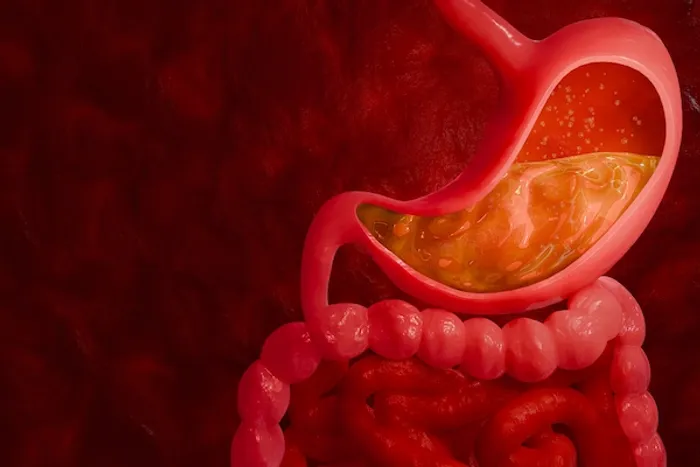
Burning in your chest after meals? A sour taste in your mouth? You’re not alone. Heartburn and acid reflux are very common, and simple steps at home can often help. If you’re looking for Acidity home remedies and quick Heartburn relief that support Natural digestion, this guide covers practical, science-backed tips you can start today, plus when to seek medical care.
What Causes Acidity And Heartburn?
Acidity and heartburn are commonly caused by stomach acid backing up into the esophagus, a condition known as acid reflux:
- Heartburn happens when stomach acid flows back into the esophagus (acid reflux).
- Common triggers include large or fatty meals, spicy or acidic foods, alcohol, coffee, chocolate, mint, carbonated drinks, and lying down soon after eating.
- Extra pressure on the abdomen (tight clothing, heavy lifting, obesity, pregnancy) can worsen symptoms.
- Smoking, certain medicines, and stress can also play a role.
- Frequent symptoms may indicate gastroesophageal reflux disease (GERD), which benefits from lifestyle changes and sometimes medication.
Acidity Home Remedies You Can Try Right Now
These quick, simple actions may provide fast, temporary relief:
- Loosen tight clothing and stand upright. Sitting or standing improves pressure on your stomach and can reduce reflux.
- Take small sips of water. Water can help wash acid back into the stomach.
- Chew sugar-free gum for 30 minutes after a meal. Chewing increases saliva, which neutralizes acid and helps clear it from the esophagus.
- Avoid peppermint. Although refreshing, peppermint can relax the lower esophageal sphincter and may worsen reflux in some people.
- Try a bland snack if you’re hungry. An empty stomach can sometimes irritate; choose low-fat options like a small banana or plain crackers if tolerated.
- Baking soda (sodium bicarbonate) caution. A small amount dissolved in water can temporarily neutralize acid, but it’s high in sodium and not suitable for people with high blood pressure, kidney disease, or those on sodium-restricted diets. Avoid using it regularly and check with a clinician first.
Consult a Top General Physician
Lifestyle Changes For Heartburn Relief
These habits address root causes and are recommended by major medical centers:
Eat Smaller, Slower Meals
- Large meals stretch the stomach and increase reflux. Try smaller portions and chew thoroughly.
- Avoid lying down for at least 2–3 hours after eating.
Choose Foods Mindfully
- Common triggers: fatty/fried foods, spicy foods, tomato products, citrus, chocolate, coffee, alcohol, and carbonated beverages.
- Not everyone has the same triggers. Keep a simple food and symptom diary to find yours.
- Emphasize lean proteins (fish, chicken, beans), nonacidic fruits (melons, pears), vegetables, whole grains, and healthy fats in modest amounts.
Keep Beverages Gentle
- Better tolerated for many: still water, noncitrus herbal teas (if tolerated), and low-fat dairy or fortified plant milks.
- Limit or avoid: alcohol, caffeinated drinks, citrus juices, tomato juice, chocolate drinks, and fizzy drinks.
Sleep Smarter
- Elevate the head of your bed 6–8 inches using blocks or a wedge pillow. Extra pillows under the head alone may not help and can increase pressure on the abdomen.
- Sleep on your left side. This position can reduce nighttime reflux for many people.
- Finish dinner at least 3 hours before bedtime.
Support A Healthy Weight And Waistline
- Even modest weight loss (if you live with being overweight or obese) can reduce pressure on the stomach and improve symptoms.
- Choose balanced meals and regular activity that fits your health and ability.
Quit Smoking And Limit Alcohol
- Smoking weakens the lower esophageal sphincter and slows saliva production. Stopping smoking improves overall health and can ease reflux.
- Alcohol can trigger heartburn in many people; reduce or avoid it if it worsens symptoms.
Rethink Clothing And Posture
- Avoid tight belts or waistbands that compress the abdomen.
- Sit upright during and after meals; avoid heavy lifting or bending right after eating.
Review Medications With Your Clinician
- Some medicines can worsen reflux (for example, certain anti-inflammatories, some blood pressure or asthma medicines). Never stop medicines on your own; ask your clinician or pharmacist for guidance.
Foods And Habits That Support Natural Digestion
Supporting natural digestion is achievable through mindful food choices and consistent healthy habits.
For Gentler, Natural Digestion And Fewer Flareups:
Build Meals With:
- Lean proteins: skinless poultry, fish, tofu, beans
- Noncitrus fruits and most vegetables
- Whole grains: oatmeal, brown rice, whole wheat bread (if tolerated)
- Healthy fats in small amounts: olive oil, avocado, nuts (if they do not trigger symptoms)
Add Fiber Gradually
- A fiber-rich diet supports digestive health and may reduce reflux in some people. Increase slowly and drink enough water to avoid bloating.
- Consider meal timing and structure
- Three smaller meals plus light snacks may be easier than two large meals.
- Avoid late-night eating and large evening meals.
Manage Stress
- Stress doesn’t cause reflux by itself, but it can worsen symptoms. Gentle movement, stretching, breathing exercises, or short walks after meals may help.
Popular Home Remedies: What To Know?
Exploring the science and safety behind common household cures.
Apple Cider Vinegar
- Despite its popularity online, there’s no good evidence it helps reflux, and acidity may worsen symptoms. If you try it, dilute well and stop if symptoms worsen.
Herbal Teas And Extracts
- Noncitrus herbal teas (such as chamomile) can be soothing for some but may bother others. People with ragweed allergy may react to chamomile. Evidence for herbs like licorice (DGL), slippery elm, or aloe is limited, and they can interact with medicines. Talk with a clinician or pharmacist before using any supplement.
Probiotics
- Probiotics can support overall gut health, but evidence for heartburn relief is limited and mixed.
- Food sources like yogurt or kefir (low-fat, non-sour varieties) may be better tolerated than supplements for some people.
When To Use Medicines And When To See A Doctor?
Knowing when to treat yourself at home and when professional medical help is necessary is key to managing your health effectively.
Over-the-counter Options
- Antacids (e.g., calcium carbonate) neutralize acid and may help quick symptoms.
- H2 blockers (e.g., famotidine) reduce acid production and can help with mild to moderate symptoms.
- Proton pump inhibitors (PPIs) are stronger acid reducers for frequent symptoms. Use as directed and speak with a clinician if you need them often.
- Always check labels and interactions, especially if you’re pregnant, older, or take other medicines.
See A Clinician Soon If:
- Heartburn occurs more than twice a week
- Symptoms persist despite lifestyle changes or OTC medicines
- You need continuous OTC medicine for more than 2–3 weeks
- You have trouble swallowing, a chronic cough, hoarseness, or recurrent nausea
- Seek urgent care now if you have:
- Chest pain, pressure, or shortness of breath (heart issues can mimic heartburn)
- Vomiting blood or material that looks like coffee grounds
- Black or tarry stools, unexplained weight loss, or persistent vomiting
- Special situations
- Pregnancy: Heartburn is common. Lifestyle measures are first-line; some antacids (like calcium carbonate) may be considered safe, ask your prenatal provider. Avoid sodium bicarbonate unless specifically advised.
- Older adults and people with chronic conditions: Review all medicines and supplements with a clinician to avoid interactions.
Putting It All Together
Small changes add up. For many people, the best Acidity home remedies are simple: eat smaller meals, avoid late-night eating, identify and limit personal trigger foods, elevate the head of the bed, and choose left-side sleeping. Combine these with a healthy weight, no smoking, and limited alcohol for reliable Heartburn relief. If symptoms persist or you notice warning signs, a healthcare professional can help you find the safest and most effective treatment plan.
Consult a Top General Physician
Consult a Top General Physician

Dr. Dhanraj K
General Physician/ Internal Medicine Specialist
25 Years • MBBS, MD Internal Medicine - Osmania Medical College, Hyderabad
Hyderabad
Apollo Hospitals Jubilee Hills, Hyderabad

(425+ Patients)

Dr Syed Mateen Pasha
General Physician
2 Years • MBBS
Bengaluru
PRESTIGE SHANTHINIKETAN - SOCIETY CLINIC, Bengaluru

Dr. Vivek D
General Physician
4 Years • MBBS
Bengaluru
PRESTIGE SHANTHINIKETAN - SOCIETY CLINIC, Bengaluru

Dr. Anand Ravi
General Physician
2 Years • MBBS
Bengaluru
PRESTIGE SHANTHINIKETAN - SOCIETY CLINIC, Bengaluru

Dr. Ajay K Sinha
General Physician/ Internal Medicine Specialist
30 Years • MD, Internal Medicine
Delhi
Apollo Hospitals Indraprastha, Delhi
(200+ Patients)
Consult a Top General Physician
Dr. Dhanraj K
General Physician/ Internal Medicine Specialist
25 Years • MBBS, MD Internal Medicine - Osmania Medical College, Hyderabad
Hyderabad
Apollo Hospitals Jubilee Hills, Hyderabad
(425+ Patients)
Dr Syed Mateen Pasha
General Physician
2 Years • MBBS
Bengaluru
PRESTIGE SHANTHINIKETAN - SOCIETY CLINIC, Bengaluru
Dr. Vivek D
General Physician
4 Years • MBBS
Bengaluru
PRESTIGE SHANTHINIKETAN - SOCIETY CLINIC, Bengaluru
Dr. Anand Ravi
General Physician
2 Years • MBBS
Bengaluru
PRESTIGE SHANTHINIKETAN - SOCIETY CLINIC, Bengaluru
Dr. Ajay K Sinha
General Physician/ Internal Medicine Specialist
30 Years • MD, Internal Medicine
Delhi
Apollo Hospitals Indraprastha, Delhi
(200+ Patients)
More articles from General Medical Consultation



Frequently Asked Questions
What is the best instant, at-home way to stop heartburn?
Try standing up straight, loosening tight clothing, taking small sips of water, and chewing sugar-free gum for about 30 minutes. These steps help clear acid and reduce pressure on your stomach.
Is milk good for acid reflux?
It depends. Low-fat or nonfat milk may briefly soothe symptoms, but high-fat dairy can trigger reflux in some people. Try small amounts and see how you feel. Plant-based milks without added fat or chocolate may be gentler.
Does ginger help acidity?
Ginger can ease nausea, but its effect on acid reflux is mixed. Some people feel better with mild ginger tea; others notice more symptoms. Start small and stop if it bothers you.
Is it safe to use baking soda for heartburn?
Occasional use may neutralize acid, but baking soda is high in sodium and isn’t safe for everyone (for example, people with high blood pressure, kidney disease, or on sodium-restricted diets). Don’t use it regularly without medical advice.
When should I worry about heartburn?
Get medical care urgently for chest pain, shortness of breath, vomiting blood, black stools, or sudden, severe symptoms. See a clinician soon if heartburn happens more than twice a week, disrupts sleep, or doesn’t improve with lifestyle changes or OTC medicines.