


How Much Water Does Your Body Need During Summer Heat?
Beat the heat with smart water intake summer guidance. Clear hydration tips, dehydration prevention, and how much to drink for work, exercise, and travel.

Written by Dr. Dhankecha Mayank Dineshbhai
Reviewed by Dr. J T Hema Pratima MBBS, Fellowship in Diabetes Mellitus
Last updated on 19th Feb, 2026
Introduction
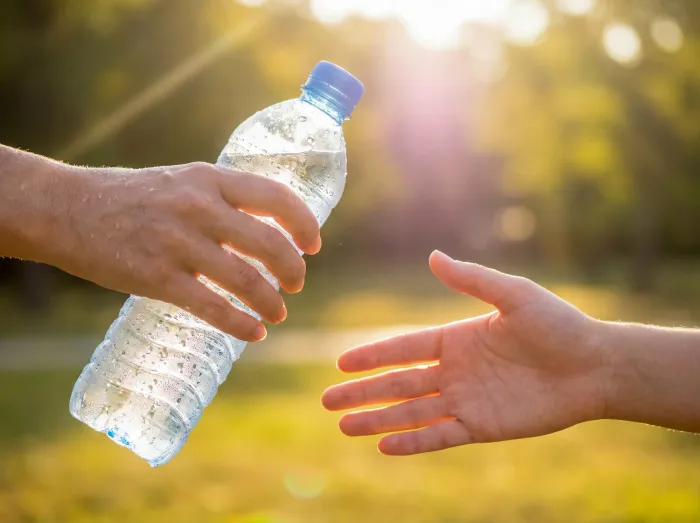
Hot weather places significant physiological stress on the body. Your breathing rate increases, your heart works harder to maintain normal temperature, and you sweat more in an effort to cool down. All of this leads to a faster loss of fluids and electrolytes, which can quickly result in dehydration if not managed properly. Planning your water intake summer strategy is therefore essential, helping you stay energised, support cognitive performance, maintain healthy circulation, and minimise the risk of heat-related illness. This guide explains how much fluid you need, how to adjust your intake in warm conditions, practical hydration methods you can apply every day, and preventive steps to keep both you and your family safe in rising temperatures.
Consult a Top General Practitioner for Personalised Advice
Why Hydration Matters More In Heat?
- Your body cools itself through sweating, but sweat loss also means a loss of water and important minerals such as
sodium and potassium. - Dehydration can lead to headaches, fatigue, dizziness, muscle cramps, and reduced concentration. In severe cases, it
can progress to heat exhaustion or heat stroke. - Older adults, children, pregnant or breastfeeding individuals, outdoor workers, and those with underlying conditions or on certain medications face a higher risk of both dehydration and heat-related complications.
How Much Water Do You Need Every Day?
Health organisations provide general fluid intake guidelines, but individual needs vary.
- General daily estimates suggest approximately 3.7 litres of total fluids for most men and around 2.7 litres for most women, including water from beverages and food.
- Roughly 20% of total hydration typically comes from food, particularly fruits, vegetables, soups, and dairy.
- “Total fluids” include water, sparkling water, milk, herbal tea, unsweetened tea or coffee, and water-rich foods. Keeping added sugars low supports hydration without unnecessary energy intake.
These values provide starting points. Your needs increase with higher temperatures, more movement, larger body size, and individual differences in sweat rate.
Water Intake In Summer: Adjusting For Heat
When temperatures rise, fluid losses accelerate. Fine-tuning your hydration strategy helps prevent overheating.
- Thirst is helpful but should not be your only guide, especially for older adults or individuals with blunted thirst
sensations. - Urine colour is a simple indicator: pale yellow generally reflects good hydration; darker shades suggest you need more fluid.
- Heat, humidity, direct sunlight, wind, altitude, and heavy clothing each increase sweat and fluid requirements.
- Drinking smaller amounts regularly rather than consuming large volumes at once supports better absorption and
decreases the likelihood of stomach discomfort.
Hydration Tips For Hot Days
Hydration tips include:
- Start your day hydrated by drinking a glass of water first thing in the morning and another with each meal.
- Drink at steady intervals during the day, especially if you are outdoors, active, or exposed to high temperatures.
- Carry a refillable bottle to increase convenience and awareness.
- Add interest with natural flavourings such as lemon, mint, cucumber, or berries, or choose unsweetened iced tea or
sparkling water. - Consume water-rich foods such as watermelon, citrus fruits, grapes, cucumbers, tomatoes, lettuce, and yoghurt.
- Reduce environmental heat exposure by using shade, fans, breathable fabrics, and lightweight clothing.
- Limit alcohol intake, as it promotes urination and decreases awareness of heat stress.
- Use reminders such as phone alerts or bottles with timed markings to maintain consistent intake.
Adjusting For Activity, Work, And Exercise
Adjustments for work, activity and exercise are:
Before Activity
- Aim to arrive well hydrated by drinking water in the hours leading up to physical activity.
- Pre-cool your body where possible through cool showers, ice packs, air-conditioned spaces, or shade.
During Activity
- For moderate to vigorous exercise in hot weather, sip fluids consistently. Workplace guidance suggests around 250 mL
every 15–20 minutes when sweating heavily. - For activities lasting more than an hour or for individuals who are heavy or salty sweaters, adding electrolytes can help replace sodium and maintain fluid balance.
- Avoid excessive water intake without sodium replacement, as it may lead to hyponatraemia, a potentially dangerous drop in blood sodium.
After Activity
- Rehydrate gradually. Water is sufficient after short sessions, while longer or intense workouts may call for fluids alongside foods containing salt.
- For a personal hydration check, weigh yourself before and after demanding exercise. Each 0.45 kg (1 pound) lost
roughly equals 475 mL (2 cups) of fluid. Use this to guide future intake.
Do You Need Electrolytes?
Below points tell us the importance of electrolytes:
- Water alone is usually enough for light activity under an hour.
- Electrolytes may be beneficial when:
- You have sweated heavily for prolonged periods.
- You work outdoors or exercise intensely in hot conditions.
- You experience muscle cramps or notice salt streaks on your clothes or skin.
- Choose formulations with moderate sugar levels, and for children, prioritise water and meals unless the activity is
prolonged and intense.
Caffeine, Alcohol, And Special Drinks
The effects of alcohol and special drinks include:
- Coffee and tea count towards daily fluids for most healthy adults, though high caffeine intake may increase urination in
some individuals. Balance caffeinated drinks with water. - Alcohol increases fluid loss, impairs judgement in the heat, and raises the risk of heat illness. Minimising intake during
hot days is advisable. - Energy drinks are not appropriate for hydration due to caffeine, stimulants, and sugar, particularly for children and
adolescents.
Dehydration Prevention: Who Is At Higher Risk?
Those requiring special attention include:
- Older adults, who may have reduced thirst and take medications affecting hydration.
- Infants and young children have higher fluid needs relative to body weight.
- People who are pregnant or breastfeeding, due to increased fluid demands.
- Individuals with chronic conditions such as kidney disease, heart disease, or diabetes.
- People taking medications that alter fluid balance, including diuretics or antihypertensives.
- Outdoor workers, athletes, and individuals in hot, humid, or poorly ventilated environments.
If you have health conditions requiring fluid restriction, consult your clinician for tailored summer hydration guidance.
Early Signs Of Dehydration To Watch For
Early signs of dehydration include:
- Thirst or dry mouth
- Dark yellow urine or infrequent urination
- Fatigue or irritability
- Dizziness or lightheadedness
- Headaches
- Muscle cramps
Severe Dehydration And Heat Illness
Seek emergency assistance if someone in heat develops:
- Confusion, fainting, or seizures
- Very high body temperature
- Hot, dry skin or heavy sweating accompanied by worsening symptoms
- Severe weakness, vomiting, or inability to drink
Move the person to a cool area, remove excess clothing, use cold compresses on the neck, armpits, and groin, and
provide small sips of cool water if they are fully conscious.
Simple Daily Plan For Summer Hydration
The daily plan for summer hydration includes:
- Morning: One glass on waking and one with breakfast.
- Mid-morning: Refill your bottle and aim to finish it by lunchtime.
- Afternoon: Drink a glass with lunch and sip regularly throughout the afternoon.
- Exercise/Outdoor activity: Take small, regular sips and use electrolytes for extended or high-intensity sessions.
- Evening: Drink one glass with dinner and another afterwards, adjusting the timing if nighttime urination is disruptive.
- Sleep environment: Keep the bedroom cool, use fans, and keep water next to the bed for any nighttime thirst.
Travel And Summer Events
Travel and summer effects include:
- Flights and long trips: Aeroplane cabins are dehydrating. Sip regularly, and bring hydrating snacks like fruit or yoghurt.
- Beaches, festivals, and outdoor events: Use shade, schedule hydration breaks, and set phone reminders every 20–30
minutes. - High altitude or dry climates: Breathing losses are higher, so increase intake and monitor urine colour frequently.
Common Myths And Facts
Myths and facts include:
- Myth: Everyone needs 8 glasses of water daily.
- Fact: Needs vary by climate, body size, activity, and health status.
- Myth: Caffeinated drinks do not contribute to hydration.
- Fact: Moderate coffee and tea intake counts towards daily fluids.
- Myth: You should never feel thirsty.
- Fact: Thirst is useful, but in high heat, it should not be your only guide.
- Myth: Sports drinks are better than water.
- Fact: They are only beneficial for long or intense activity.
- Myth: Clear urine is the ideal goal.
- Fact: Pale yellow indicates adequate hydration; constantly clear urine may signal overhydration.
Conclusion
A strategic approach to hydration is essential for maintaining energy, comfort, and safety throughout the summer months. By understanding how heat affects fluid needs, monitoring personal cues, and choosing practical, consistent drinking habits, you can significantly reduce the risk of dehydration and heat-related illness. Hydration should be integrated into your day rather than left to chance, especially during outdoor activity or travel. Supporting your fluid levels with balanced meals, water-rich foods, and appropriate electrolyte use ensures stable performance and well-being. With thoughtful planning, you and your family can enjoy hot weather while staying healthy, alert, and comfortable.
Consult a Top General Practitioner for Personalised Advice
Consult a Top General Practitioner for Personalised Advice

Dr. Ashita Kuruvilla
General Practitioner
7 Years • MBBS
Kolkata
KVC CLINIC, Kolkata

Dr. Sudhashree R
General Physician/ Internal Medicine Specialist
13 Years • MBBS, MRCEM
Bengaluru
Apollo Clinic, JP nagar, Bengaluru

Dr. Zulkarnain
General Physician
2 Years • MBBS, PGDM, FFM
Bengaluru
PRESTIGE SHANTHINIKETAN - SOCIETY CLINIC, Bengaluru

Dr. Avinash Pasuparthy
General Practitioner
5 Years • MBBS
Visakhapatnam
Apollo Clinic Vizag, Visakhapatnam

Dr. Riti Srivastava
General Practitioner
12 Years • MD (Physician)
Gautam Buddha Nagar
Shri Krishna Clinic, Gautam Buddha Nagar
Consult a Top General Practitioner for Personalised Advice
Dr. Ashita Kuruvilla
General Practitioner
7 Years • MBBS
Kolkata
KVC CLINIC, Kolkata
Dr. Sudhashree R
General Physician/ Internal Medicine Specialist
13 Years • MBBS, MRCEM
Bengaluru
Apollo Clinic, JP nagar, Bengaluru
Dr. Zulkarnain
General Physician
2 Years • MBBS, PGDM, FFM
Bengaluru
PRESTIGE SHANTHINIKETAN - SOCIETY CLINIC, Bengaluru
Dr. Avinash Pasuparthy
General Practitioner
5 Years • MBBS
Visakhapatnam
Apollo Clinic Vizag, Visakhapatnam
Dr. Riti Srivastava
General Practitioner
12 Years • MD (Physician)
Gautam Buddha Nagar
Shri Krishna Clinic, Gautam Buddha Nagar
More articles from General Medical Consultation


Frequently Asked Questions
1) How many litres of water should I drink in summer?
Most men need about 3.7 litres of total fluids daily, and most women about 2.7 litres, from beverages and foods combined. In hot weather or with physical activity, you’ll likely need more. Adjust based on thirst, urine colour (aim for pale yellow), and how much you sweat.
2) What are the best drinks for hot days?
Water is the top choice. Unsweetened sparkling water, diluted fruit juice, and unsweetened iced tea also help. For long, sweaty activities, a sports drink or electrolyte add-in can help replace sodium. Limit alcohol and high-sugar drinks.
3) Does coffee dehydrate you?
Moderate coffee or tea intake contributes to daily fluids for most healthy adults. Very high caffeine can increase urination in some people, so balance caffeinated drinks with water.
4) How can I tell if I’m drinking enough?
Use a few checks: you’re peeing every few hours, your urine is pale yellow, and you feel alert with no dizziness or headaches. Dark yellow urine, infrequent urination, or persistent thirst are signs to drink more.
5) Can you drink too much water?
Yes. Overdrinking without replacing sodium, especially during long, sweaty activities, can cause hyponatremia (low blood sodium). It’s safer to drink small amounts regularly to match sweat losses and include electrolytes during prolonged exertion in heat.