IHC Test Purpose and Procedure
Learn about the IHC (Immunohistochemistry) test, its purpose in disease diagnosis, and the step-by-step procedure. Understand how it helps detect specific proteins in tissue samples.

Written by Dr. J T Hema Pratima
Reviewed by Dr. Shaik Abdul Kalam MD (Physician)
Last updated on 13th Jan, 2026
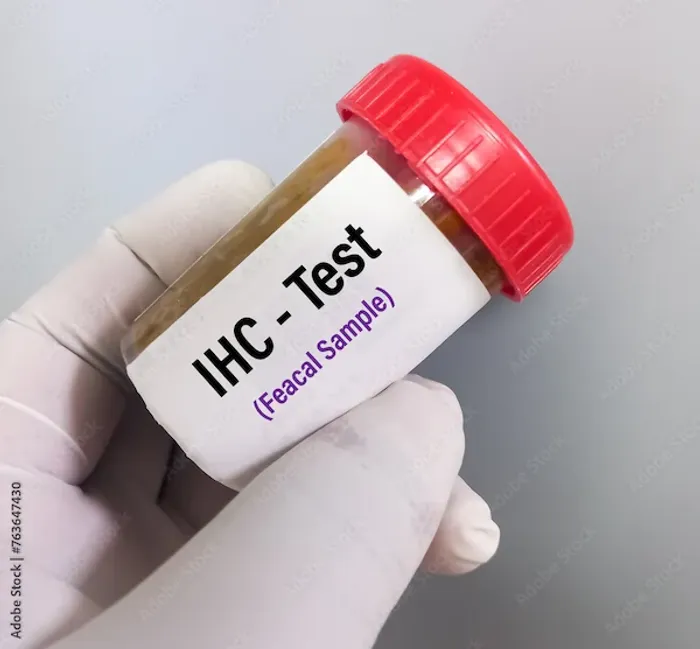
Medical tests can sometimes sound complicated, but they play a crucial role in diagnosing and treating diseases. One such test is the Immunohistochemistry (IHC) Test, which helps doctors examine tissue samples more closely. If you or a loved one has been advised to undergo this test, you might have questions about why it’s needed and what it involves.
In this article, we’ll explain the purpose, procedure, and importance of the IHC test in simple terms so that you can feel more informed and at ease.
What Is an IHC Test?
The Immunohistochemistry (IHC) Test is a laboratory procedure that helps doctors identify specific proteins or markers in tissue samples. By using special dyes and antibodies, this test highlights certain cells, making it easier to detect diseases like cancer, infections, or autoimmune disorders.
Think of it as a way to "color-code" cells under a microscope so that doctors can spot abnormalities more clearly.
Consult a Top Pathologist
Why Is the IHC Test Done?
The IHC test is primarily used for:
1. Diagnosing Cancer
Helps determine whether a tumor is benign (non-cancerous) or malignant (cancerous).
Identifies the type of cancer (e.g., breast, lung, prostate).
Checks for hormone receptors (like estrogen or progesterone in breast cancer) to guide treatment.
2. Guiding Treatment Decisions
Some cancers respond better to targeted therapies (e.g., HER2-positive breast cancer).
Helps doctors decide if immunotherapy or hormone therapy will work.
3. Detecting Infections or Autoimmune Diseases
Identifies viruses, bacteria, or abnormal immune responses in tissues.
How Is the IHC Test Performed?
If your doctor recommends an IHC test, here’s what you can expect:
Step 1: Tissue Sample Collection (Biopsy or Surgery)
A small tissue sample is taken from the affected area (e.g., skin, breast, lung).
This is usually done through a biopsy (needle or surgical) or after a tumor removal.
Step 2: Preparing the Sample
The tissue is preserved, sliced into thin sections, and placed on slides.
Step 3: Applying Antibodies and Stains
Special antibodies (designed to attach to specific proteins) are added.
A dye is used to make the marked cells visible under a microscope.
Step 4: Microscopic Examination
A pathologist examines the stained tissue to detect abnormal cells.
Step 5: Results and Diagnosis
The report helps your doctor confirm a diagnosis and plan treatment.
Note: The entire process may take a few days to a week, depending on the lab.
Does the IHC Test Hurt?
The biopsy or surgery to collect the tissue sample may cause mild discomfort, but the IHC test itself is performed in a lab and doesn’t involve any pain for the patient.
How to Prepare for an IHC Test?
Since the test is done on a tissue sample, there’s no special preparation needed from the patient. However:
If you’re undergoing a biopsy, follow your doctor’s instructions (e.g., fasting, avoiding blood thinners).
Inform your doctor about any allergies or medications you’re taking.
What Do the Results Mean?
Your doctor will explain the findings, but here’s a general idea:
Positive for a protein/marker: Indicates the presence of a specific condition (e.g., cancer cells).
Negative for a protein/marker: Suggests the absence of that condition.
Inconclusive: May require further testing.
For example:
HER2-positive breast cancer means the tumor grows faster but may respond well to targeted therapy.
PD-L1 positive in lung cancer may suggest immunotherapy could be effective.
Are There Any Risks?
The IHC test itself has no risks since it’s performed on already collected tissue. However, the biopsy or surgery to obtain the sample may have minor risks like:
Bleeding
Infection
Bruising
These are rare and manageable with proper care.
Tips for Patients Awaiting IHC Results
Waiting for test results can be stressful. Here’s how to cope:
Stay informed – Ask your doctor what to expect.
Keep busy – Engage in activities you enjoy.
Seek support – Talk to family, friends, or support groups.
Follow up – Ensure you receive your results on time.
When to Consult a Doctor?
If you’ve been advised to take an IHC test, it’s important to:
Discuss why the test is needed.
Understand possible outcomes.
Plan next steps based on results.
If you haven’t yet consulted a specialist, you can book an appointment with an expert pathologist or oncologist through Apollo 24|7 for guidance.
Final Thoughts
The IHC test is a powerful tool that helps doctors diagnose diseases accurately and choose the best treatment. While medical tests can be overwhelming, understanding their purpose and procedure can ease anxiety. If you have concerns about an upcoming IHC test, don’t hesitate to ask your healthcare provider for clarification. Early and precise diagnosis leads to better treatment outcomes, so staying informed is a crucial step in your health journey.
Consult a Top Pathologist
Consult a Top Pathologist

Dr. Rajib Ghose
General Physician/ Internal Medicine Specialist
25 Years • MBBS
East Midnapore
VIVEKANANDA SEBA SADAN, East Midnapore

Dr. M. Krishna Bharath Reddy
General Physician/ Internal Medicine Specialist
10 Years • MD General Medicine, MRCP (London) and DM( Critical Care)
Chennai
Apollo One Chennai, Chennai

Dr. Impana G N
Physician/ Internal Medicine/ Covid Consult
11 Years • MBBS,DNB FAMILY MEDICINE, MNAMS ,CCEBDM
Mysuru
Apollo BGS Hospital Adichuchanagiri Road, Mysuru

Dr. Satish Kumar
General Practitioner
36 Years • MBBS
New Delhi
Aviral Express Clinic, New Delhi

Dr. Rachna Bhagat
General Practitioner
29 Years • MBBS
Kolkata
KVC CLINIC, Kolkata