


International No Diet Day Why The Message Matters
Explore International No Diet Day’s message. Learn how body positivity and mental health awareness support sustainable, evidence-based health habits.

Written by Dr. Siri Nallapu
Reviewed by Dr. Dhankecha Mayank Dineshbhai MBBS
Last updated on 14th Jan, 2026
Introduction
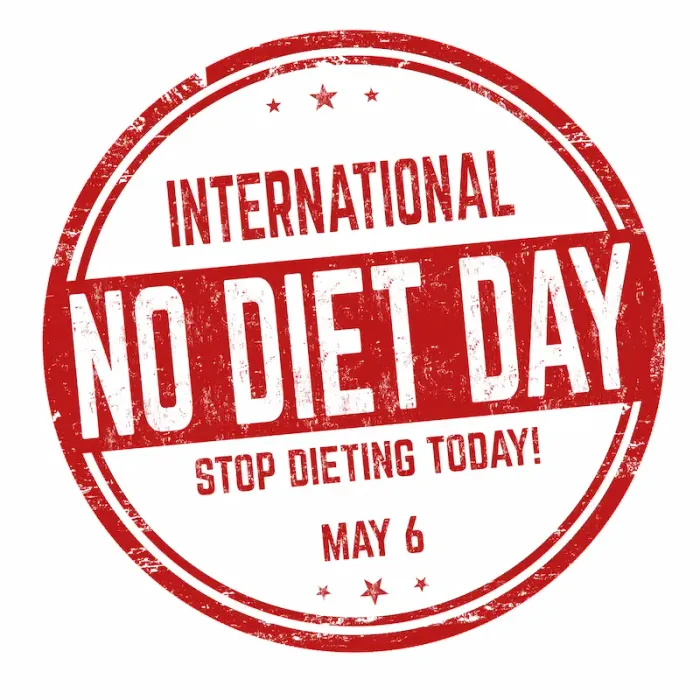
International No Diet Day is a reminder to step back from quick-fix diet culture and refocus on health in a kinder, more realistic way. At its heart, the day encourages body positivity and mental health awareness, two ideas that support lasting, evidence-based habits and a healthier relationship with food, movement, and self-care. Whether you’ve tried every plan under the sun or you’re tired of the “all-or-nothing” cycle, No Diet Day invites you to pause, reflect, and choose health without shame.
What Is International No Diet Day?
International No Diet Day is an annual observance that challenges the idea that our health or worth depends on the number on a scale. It highlights:
• Respect for all bodies, without judgment.
• Awareness of the harms of fad dieting and weight stigma.
• Compassionate conversations about eating disorders and mental health.
• A shift from rigid rules toward sustainable, health-supporting habits.
The goal is not to ignore nutrition or medical guidance. It’s to reject shame-based, restrictive approaches and focus on what actually supports long-term well-being.
Why Does The Message Matter? Body Positivity And Mental Health Awareness
Body positivity is about treating your body with respect, no matter your size, age, or ability, and making choices rooted in care rather than punishment. Mental health awareness reminds us that how we think and feel about our bodies and food affects our overall well-being. Approaches that reduce shame and increase self-compassion are linked to better follow-through on healthy behaviors, more enjoyable movement, and improved quality of life.
Restrictive Dieting Vs. Sustainable Health
• Restrictive diets are hard to maintain. Many fad plans cut out entire food groups or require severe calorie limits. These approaches may lead to short-term weight changes, but they are not designed for the long term and can set up a cycle of “on the diet” vs. “off the diet.”
• Health is more than weight. Major health organizations encourage focusing on behaviors, like balanced nutrition, physical activity, sleep, stress care, and regular checkups, because these have strong evidence for improving health outcomes at any size.
• Gentle, realistic changes tend to stick. Gradual habit changes are more likely to be sustainable than strict rules. This aligns with guidance from reputable medical sources that emphasize balanced eating patterns, consistent movement, and support when needed.Consult a Top General Physician
Mental Health Awareness At The Table
Food rules and negative body talk can raise stress and reduce the joy of eating and moving. Mental health awareness encourages:
• Tuning in to hunger and fullness cues when possible.
• Eating regularly to support energy and mood.
• Reducing self-criticism and perfectionism around food and exercise.
• Seeking professional help for signs of disordered eating (such as rigid restriction, bingeing, purging, or compulsive over-exercising).
A Health-Centered Approach Beyond Diets
A sustainable approach doesn’t require a named “diet.” It means building habits that fit your life and values.
Gentle Nutrition: Build Balanced Meals
• Keep it flexible. Aim to include a variety of vegetables, fruits, whole grains, legumes, lean proteins, nuts, seeds, and healthy fats over time. No single meal needs to be perfect.
• Add, don’t just subtract. Consider what you can add for nourishment, like fiber-rich produce, whole grains, and plant-based proteins, rather than only cutting foods out.
• Make meals regularly. Consistent meals and snacks can stabilize energy, support mood, and help you tune in to natural hunger and fullness cues.
• Personalize your needs. Medical conditions (like diabetes, celiac disease, food allergies, kidney disease, or high blood pressure) may require tailored nutrition. Seek guidance from a registered dietitian or your healthcare provider.
Joyful Movement And Rest
• Move for how it feels. Activities you enjoy, like walking, dancing, gardening, swimming, or gentle strength work, are easier to keep doing.
• Aim for consistency. Regular movement supports the heart, muscles, bones, and mental health. Even short bouts add up.
• Respect recovery. Rest days and sleep are essential parts of a movement routine, helping your body and mind recharge.
Stress Care And Social Connection
• Stress management supports health. Practices like breathing exercises, short walks, journaling, or connecting with supportive people can help reduce stress and improve resilience.
• Social support matters. Sharing meals, moving with a friend, or finding a supportive community can make healthy habits more enjoyable and consistent.
Practical Ways To Honor No Diet Day
Try one or two ideas that feel supportive today:
• Unfollow accounts that promote shame, fear, or extreme rules around food and bodies.
• Practice body gratitude: name two ways your body helps you each day.
• Make a balanced meal you enjoy, without labeling foods “good” or “bad.”
• Move in a way that feels good, stretching, a walk, or a favorite class.
• Set a boundary with diet talk: “I’m focusing on habits that make me feel well.”
• Schedule preventive care you’ve put off (like a checkup or dental visit).
• Start a “feel-good folder” with encouraging notes, recipes, or playlists that support your well-being.
For Those On Medical Diets Or Under Care
International No Diet Day is not anti-health, anti-medication, or anti-professional guidance. Many people rely on medical nutrition therapy for conditions like diabetes, celiac disease, digestive disorders, kidney disease, or food allergies. If you’re following a plan from your healthcare provider or a registered dietitian, continue your care. The spirit of the day can still apply: aim for body respect, sustainable habits, and mental health awareness while you follow evidence-based medical advice that’s right for you.
Signs You May Need More Support
Reach Out To A Healthcare Professional If You Notice:
• Frequent preoccupation with food, calories, or body size.
• Skipping meals, severe restriction, or cutting out many foods without medical advice.
• Episodes of eating very large amounts of food with a sense of loss of control.
• Purging behaviors (vomiting, laxatives, diuretics) or compulsive over-exercising.
• Dizziness, fainting, heart palpitations, menstrual changes, or significant weight change.
Eating disorders are serious but treatable. Early support can make a big difference.
Talking With Kids And Teens About Food And Bodies
• Keep food neutral. Avoid labeling foods as “good” or “bad.” Emphasize balance and variety over time.
• Focus on what bodies can do. Celebrate strength, creativity, and kindness, not appearance.
• Model healthy talk. Avoid negative self-comments about weight or shape.
• Keep routines predictable. Regular meals and snacks help kids learn hunger and fullness cues.
• Seek help early. If you’re concerned about a young person’s eating or body image, talk with a pediatrician or a qualified mental health professional.
Common Myths About Weight, Diets, And Health
• Myth: “If I’m not dieting, I’m not taking care of my health.”
Reality: Health is supported by daily behaviors, nutritious food patterns, regular movement, sleep, stress care, and preventive checkups. You can care for your health without rigid rules.
• Myth: “Body positivity means ignoring health.”
Reality: Body positivity encourages respect and compassion for your body. That mindset supports realistic, sustainable choices and improves follow-through on health habits over time.
• Myth: “Cutting entire food groups is the best way to feel better fast.”
Reality: For most people, extreme restriction is hard to sustain and not necessary for health. A varied, balanced pattern is more flexible and evidence-based. Exceptions include medically necessary diets guided by your clinician.
• Myth: “Only people at certain weights need to think about mental health awareness.”
Reality: Anyone, at any size, can benefit from mental health support. Stress, anxiety, depression, and body image concerns can affect people across the weight spectrum.
• Myth: “International No Diet Day is anti-science.”
Reality: The day encourages using science wisely, prioritizing habits with strong evidence and seeking qualified care rather than chasing unproven quick fixes.Consult a Top General Physician
Bringing It Together
International No Diet Day invites us to rethink how we define health. With body positivity and mental health awareness as guides, we can build habits that are kinder, more realistic, and more likely to last. If you’re unsure where to start, try one gentle change today, an unhurried meal, a short walk, or a supportive conversation, and consider speaking with a healthcare professional or registered dietitian for personalized advice.
Consult a Top General Physician

Dr. Rajib Ghose
General Physician/ Internal Medicine Specialist
26 Years • MBBS
Kolkata
B Ghose Foundation Doctor's Chamber, Kolkata

(50+ Patients)

Dr. Rajib Ghose
General Physician/ Internal Medicine Specialist
25 Years • MBBS
East Midnapore
VIVEKANANDA SEBA SADAN, East Midnapore

Dr. Impana G N
Physician/ Internal Medicine/ Covid Consult
11 Years • MBBS,DNB FAMILY MEDICINE, MNAMS ,CCEBDM
Mysuru
Apollo BGS Hospital Adichuchanagiri Road, Mysuru

Dr. Khuda Baksh Nagur
General Physician/ Internal Medicine Specialist
11 Years • MBBS, MD (GENERAL MEDICINE), Certificate Programme clinicians in Diabetes Management
Bengaluru
Medwin multispeciality clinic, Bengaluru
(25+ Patients)

Dr Puppala Anirudh
General Physician/ Internal Medicine Specialist
10 Years • MBBS, MD
Hyderabad
Apollo Clinic Kompally, Hyderabad
Consult a Top General Physician
Dr. Rajib Ghose
General Physician/ Internal Medicine Specialist
26 Years • MBBS
Kolkata
B Ghose Foundation Doctor's Chamber, Kolkata
(50+ Patients)
Dr. Rajib Ghose
General Physician/ Internal Medicine Specialist
25 Years • MBBS
East Midnapore
VIVEKANANDA SEBA SADAN, East Midnapore
Dr. Impana G N
Physician/ Internal Medicine/ Covid Consult
11 Years • MBBS,DNB FAMILY MEDICINE, MNAMS ,CCEBDM
Mysuru
Apollo BGS Hospital Adichuchanagiri Road, Mysuru
Dr. Khuda Baksh Nagur
General Physician/ Internal Medicine Specialist
11 Years • MBBS, MD (GENERAL MEDICINE), Certificate Programme clinicians in Diabetes Management
Bengaluru
Medwin multispeciality clinic, Bengaluru
(25+ Patients)
Dr Puppala Anirudh
General Physician/ Internal Medicine Specialist
10 Years • MBBS, MD
Hyderabad
Apollo Clinic Kompally, Hyderabad
More articles from General Medical Consultation




Frequently Asked Questions
What is International No Diet Day?
It’s a yearly reminder to step away from restrictive diet culture and focus on respectful, sustainable health habits. The day promotes body positivity, mental health awareness, and compassion for people of all sizes.
Does body positivity mean I should ignore my health?
No. Body positivity encourages respect and care for your body, which can make it easier to maintain healthy habits like balanced eating, regular movement, and sleep. It’s about rejecting shame, not rejecting health.
Are all diets bad?
No. Some medical diets are necessary (for example, for diabetes, celiac disease, or food allergies). What No Diet Day challenges are fad diets and extreme rules that are hard to sustain. For most people, a balanced eating pattern with flexibility and guidance from a healthcare professional is more effective and safer.
How can I support my mental health around food?
Give yourself permission to eat regular meals, reduce negative self-talk, practice mindful or intuitive eating skills, and ask for support if you’re struggling. A healthcare provider or registered dietitian can help you build a plan that supports both physical and mental health.
What if I want to lose weight?
Talk with your clinician about your goals and health history. Focus on consistent habits, balanced meals, enjoyable activities, adequate sleep, stress care, and regular checkups. Gradual, sustainable changes are more likely to last than strict rules or cutting entire food groups without medical guidance.