



Is Basmati Rice Healthy?
Is basmati rice healthy? See nutrition, glycemic index, portions, and cooking tips to help it fit a balanced, heart- and diabetes-friendly diet.

Written by Dr. Mohammed Kamran
Reviewed by Dr. Rohinipriyanka Pondugula MBBS
Last updated on 13th Jan, 2026
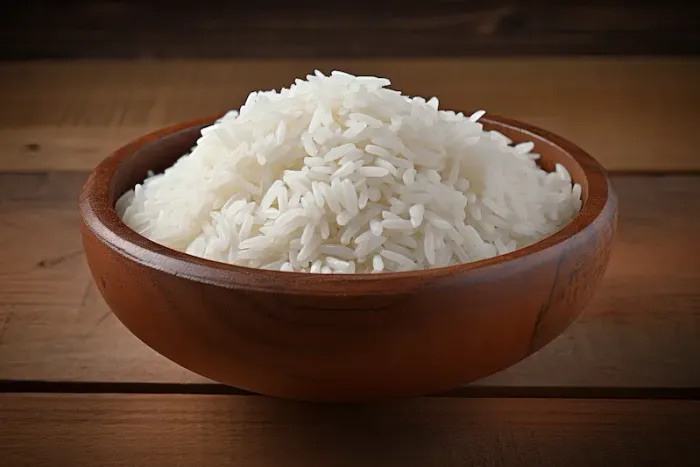
Introduction
Basmati rice is cherished for its aroma, fluffy texture, and versatility, but many people still ask: is basmati rice healthy? With so much information about carbohydrates, blood sugar, and whole grains, it helps to understand how basmati fits into a balanced eating pattern. By exploring its nutritional profile, effects on blood sugar, differences between white and brown varieties, potential concerns such as arsenic, and practical ways to enjoy it more healthfully, you can make confident and informed choices about including basmati rice in everyday meals.Consult a Top Nutritionist for Personalised Advice
What Is Basmati Rice?
Let us see the basics of basmati rice, types, characteristics and more:
Main Types of Basmati
• White basmati: The bran and germ are removed during milling, giving the rice a softer texture and gentler flavour.
• Brown basmati: Retains both the bran and germ, making it a whole grain with higher fibre and nutrient content.
Key Characteristics
• Naturally aromatic with long, slender grains
• Known for remaining separate and fluffy after cooking
• Traditionally cultivated in the Indian subcontinent
Is Basmati Rice Healthy Compared to Other Rice?
Basmati rice often has a lower glycaemic index (GI) than many other white rice varieties, meaning it may cause a slower rise in blood glucose. Brown basmati, being a whole grain, adds even more benefits by providing additional fibre and nutrients linked with heart health and better digestion. As with most foods, the healthiness of basmati depends on how much you eat and what you pair it with.
Nutrition at a Glance
The nutritional information of basmati rice is:
Core Nutrients
• Carbohydrates: A primary energy source for the body.
• Fibre: More abundant in brown basmati due to the intact bran layer; supports digestive comfort and steadier blood sugar levels.
• Protein and fat: Present in modest amounts in both varieties.
• Vitamins and minerals: Brown basmati naturally contains more micronutrients and antioxidants; some white rice products are enriched, but this varies by brand.
Glycaemic Index and Blood Sugar: What to Know
Understanding Basmati’s GI
• Basmati’s lower GI is partly due to its higher amylose content, which affects how the grains cook and digest.
• Lower-GI foods may help smooth out blood sugar fluctuations when eaten in appropriate servings.
Smart Pairings
• Combine basmati rice with foods rich in protein, healthy fats, or fibre such as vegetables, lentils, chickpeas, eggs, tofu, chicken, or fish.
• Balanced meals help slow digestion, minimise spikes, and keep energy steadier throughout the day.
Portion Awareness
• If you have diabetes or prediabetes, keeping rice to roughly a quarter of your plate is a simple, effective strategy.
• Emphasise non-starchy vegetables and lean proteins to support blood sugar management.
Fibre, Heart Health, and Weight of Basmati Rice
The fibre, heart health support and weight information on basmati rice includes:
Benefits of Brown Basmati
• As a whole grain, it provides fibre that supports heart health by helping manage cholesterol.
• Fibre also promotes fullness, which can help with appetite regulation and weight management.
Part of a Healthy Diet
• Many dietary guidelines encourage choosing whole grains most of the time.
• Brown basmati is an easy way to increase whole-grain intake without sacrificing taste or texture.
Arsenic in Rice: What You Should Know
Let us see about the arsenic in rice, what is its influence:
Understanding the Issue
• Like many rice varieties, basmati may contain inorganic arsenic absorbed from soil and water.
• While occasional consumption is unlikely to pose harm, long-term high exposure is a concern.
Practical Ways to Reduce Exposure
Practical ways to reduce exposure include:
• Rinse the rice well and cook it in excess water, then drain the remainder.
• Rotate grains by including quinoa, barley, farro, bulgur, or oats in meals.
• Be especially mindful when preparing rice for infants or during pregnancy.
• Brown rice may contain more arsenic due to the intact bran, so a mixed approach may be more suitable for some households.
Is Basmati Rice Healthy for Specific Diets?
Let us find out if basmati is healthy or not:
Diabetes-Friendly Eating
• Both white and brown basmati can fit into a balanced eating plan with portion control and good meal composition.
• Brown basmati offers more fibre, which may support more stable blood sugar responses.
Heart-Healthy Diets
• Brown basmati contributes beneficial whole grains to meals.
• Limit sodium by favouring herbs, spices, and lighter sauces.
Gluten-Free Diets
• Naturally gluten-free, making it suitable for individuals with coeliac disease or gluten sensitivity.
• Ensure there is no cross-contamination in shared kitchens.
Lower-Carb Approaches
• Smaller portions of basmati or occasional swaps such as cauliflower “rice” can help reduce total carbohydrate intake.
White vs Brown Basmati: Which Should You Choose?
Which basmati is good? Which one to choose? Let us know the reasons:
Choosing Brown Basmati
• Provides more fibre, steadier blood sugar effects, and increased nutrient density.
• Has a slightly firmer texture and a nuttier flavour.
Choosing White Basmati
• Preferred for its softer texture and rapid digestibility, which may be helpful before or after physical activity.
• Works well when paired with vegetables and lean proteins to create balance.
Mixing Both
• Combining white and brown basmati can offer a pleasant texture while improving overall nutrition.
How to Make Basmati Rice Healthier?
Tips to make it healthier include:
Practical Tips
• Watch portions: Fill a quarter of the plate with rice, not the majority.
• Add vegetables: Mix peas, carrots, leafy greens, or cauliflower directly into cooked rice for extra volume and nutrients.
• Pair with protein: Beans, lentils, tofu, eggs, fish, or lean meats help stabilise blood sugar.
• Choose brown basmati more often: Boosts whole-grain intake.
• Rinse and cook in excess water: Helps lower arsenic content and remove extra starch.
• Experiment with cook-cool-reheat: May increase resistant starch; take proper food safety precautions.
• Use lighter sauces: Prefer tomato-based or yoghurt-based sauces over heavy or creamy ones.
Simple Balanced Plate Ideas with Basmati
Plate ideas include:
• Brown basmati with chickpeas, roasted vegetables, and a lemon-tahini drizzle.
• White basmati with grilled salmon, steamed greens, and cucumber-yoghurt sauce.
• Brown basmati with lentil dal and a side salad for a fibre-rich, plant-based meal.
• White basmati stir-fry with tofu, broccoli, and a light ginger-garlic sauce.
Common Mistakes to Avoid
Mistakes to avoid are:
• Serving overly large portions.
• Relying exclusively on white rice instead of rotating with whole grains.
• Adding heavy sauces that significantly increase calories and sodium.
• Skipping rinsing and draining when aiming to lower arsenic exposure.
Conclusion
Basmati rice can be a nutritious and enjoyable part of a balanced eating pattern when eaten mindfully. Its lower GI, pleasant flavour, and satisfying texture make it a practical choice for many diets, while brown basmati provides the added benefits of whole-grain nutrition. With sensible portion control, thoughtful pairings, and simple preparation techniques to reduce arsenic, basmati can enhance both everyday meals and special dishes. Whether you prefer the softness of white basmati or the heartier qualities of brown, the key is balance, variety, and attention to overall dietary patterns. Use these principles to enjoy basmati rice as a wholesome addition to your table.Consult a Top Nutritionist for Personalised Advice
Consult a Top Nutritionist for Personalised Advice

Dr. Ramalinga Reddy
General Physician
5 Years • MBBS MD General medicine
Bengaluru
PRESTIGE SHANTHINIKETAN - SOCIETY CLINIC, Bengaluru

Dt. Prabhavathy
Clinical Nutritionist
8 Years • Msc Human Nutrition & Nutraceuticals
Madurai
Apollo Sugar Clinics, Madurai, Madurai

Ms. Bhavana Shetty
Dietician
7 Years • DDHN & Masters in Clinical Nutrition & Dietetics
Bangalore
Apollo Sugar Clinic, Seetha circle bangalore, Bangalore

Dt. Ila Sharma
Clinical Nutritionist
18 Years • Master in food & Nutrition
Gurugram
VIPUL GREENS - SOCIETY CLINIC, Gurugram

Dr Sumanth R
General Physician
2 Years • MBBS
Bengaluru
PRESTIGE SHANTHINIKETAN - SOCIETY CLINIC, Bengaluru
Consult a Top Nutritionist for Personalised Advice
Dr. Ramalinga Reddy
General Physician
5 Years • MBBS MD General medicine
Bengaluru
PRESTIGE SHANTHINIKETAN - SOCIETY CLINIC, Bengaluru
Dt. Prabhavathy
Clinical Nutritionist
8 Years • Msc Human Nutrition & Nutraceuticals
Madurai
Apollo Sugar Clinics, Madurai, Madurai
Ms. Bhavana Shetty
Dietician
7 Years • DDHN & Masters in Clinical Nutrition & Dietetics
Bangalore
Apollo Sugar Clinic, Seetha circle bangalore, Bangalore
Dt. Ila Sharma
Clinical Nutritionist
18 Years • Master in food & Nutrition
Gurugram
VIPUL GREENS - SOCIETY CLINIC, Gurugram
Dr Sumanth R
General Physician
2 Years • MBBS
Bengaluru
PRESTIGE SHANTHINIKETAN - SOCIETY CLINIC, Bengaluru
More articles from General Medical Consultation




.webp)
Frequently Asked Questions
1) Is basmati rice good for people with diabetes?
Basmati can fit well into a diabetes-friendly eating pattern due to its lower GI. Focus on modest portions and pair rice with vegetables, protein, and healthy fats for steadier blood sugar.
2) Is brown basmati healthier than white basmati?
Brown basmati offers more fibre and nutrients, supporting heart and digestive health. White basmati can still be part of a balanced diet when portions are controlled.
3) Does basmati rice contain arsenic?
Like other rice varieties, basmati may contain arsenic. Rinsing, cooking in excess water, and varying grains all help reduce exposure.
4) Is basmati rice gluten-free?
Yes. Both white and brown basmati are naturally gluten-free, but avoid cross-contamination if preparing food for someone with coeliac disease.
5) How much basmati rice should I eat per serving?
A simple guideline is to allow rice to take up about a quarter of your plate, with half filled by vegetables and the remaining quarter by lean protein.