


Kale Benefits: Nutrition Facts, Uses & Side Effects
Discover kale benefits, nutrition facts, tasty uses, and possible side effects. Learn who should be cautious and how to eat kale safely and deliciously

Written by Dr. Dhankecha Mayank Dineshbhai
Reviewed by Dr. M L Ezhilarasan MBBS
Last updated on 13th Jan, 2026
Introduction
Kale is a leafy green that has earned a spot on many plates for good reason. It’s versatile, affordable, and packed with nutrients. In this friendly, fact-based guide, you’ll learn about key kale benefits, a clear look at kale nutrition, and common kale side effects to keep in mind. We’ll also cover simple ways to add kale to meals, who might need to be cautious, and answer frequently asked questions.
What Is Kale?
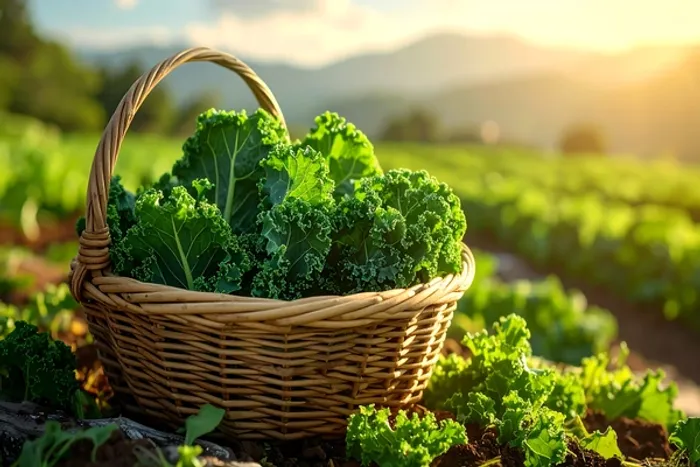
Kale is a cruciferous vegetable in the cabbage family, along with broccoli, cauliflower, and Brussels sprouts. It comes in several types, including curly kale (common in salads and soups) and lacinato/dinosaur kale (with flatter, bumpy leaves that are great for sautéing). Like other cruciferous vegetables, kale contains natural plant compounds called glucosinolates, which are being studied for potential health effects.
Kale Nutrition Facts
Kale is nutrient-dense, meaning it provides a lot of nutrition for relatively few calories. While exact amounts vary by variety and preparation, here’s what kale generally offers:
Vitamins
- Vitamin K: Known for its role in normal blood clotting and bone health.
- Vitamin A (as beta-carotene): Supports vision, skin, and immune function.
- Vitamin C: Supports immune function and helps the body absorb plant-based iron.
- B vitamins, including folate, in smaller amounts.
Minerals
- Calcium: Important for bones and teeth.
- Potassium: Supports normal blood pressure and heart function.
- Magnesium: Involved in muscle and nerve function.
- Iron: Present in non-heme form; absorption improves when eaten with vitamin C-rich foods.
Fibre
- Supports regular digestion and helps you feel satisfied.
Antioxidants And Phytonutrients
- Lutein and zeaxanthin (linked with eye health).
- Carotenoids and other antioxidants help protect cells from oxidative stress.
Protein
- A small but useful amount of a vegetable.
Compared with some other greens, kale is relatively low in oxalates (compounds that can bind minerals like calcium), especially when compared to spinach. That said, variety is still best; rotate your greens for a broader mix of nutrients.
Consult a Top General Physician
Top Kale Benefits
Here are some of the most commonly discussed kale benefits, supported by established nutrition science:
Heart Health Support
- Leafy greens contribute fiber, potassium, and antioxidants. Eating more vegetables, including kale, is associated with a lower risk of heart disease as part of an overall healthy dietary pattern.
Eye Health
- Kale provides lutein and zeaxanthin, antioxidants that accumulate in the retina and are linked with protection against age-related macular degeneration.
Bone Support
- Vitamin K helps activate proteins involved in bone health. Kale also contributes calcium and magnesium, nutrients needed for strong bones.
Immune And Skin Support
- Vitamin C and beta-carotene (a form of vitamin A) support normal immune function and healthy skin.
Digestive Wellness
- Fiber helps maintain regularity and supports a healthy gut environment.
Important note: No single food prevents or treats disease on its own. Kale is healthiest when it’s part of a varied diet rich in vegetables, fruits, whole grains, legumes, lean proteins, and healthy fats.
Easy Ways to Use Kale
Kale is flexible in the kitchen. Try these simple ideas:
Raw
- Massaged kale salad: Remove stems, chop leaves, and massage with a little olive oil and lemon juice to soften.
- Slaws: Mix with cabbage and carrots for a crunchy side.
- Smoothies: Blend a handful into a fruit smoothie with yogurt and a splash of citrus.
Cooked
- Sautéed or steamed: Pair with garlic and olive oil for a quick side.
- Soups and stews: Stir chopped kale in during the last 10–15 minutes of cooking.
- Eggs and grains: Fold into omelets, frittatas, pasta, or grain bowls.
- Kale chips: Toss with olive oil and bake until crisp.
Smart Pairing
- Combine kale with vitamin C sources (like lemon, tomatoes, bell peppers, or oranges) to help your body absorb its non-heme iron.
Gentle On Digestion
- If you’re new to kale or sensitive to fiber, start with small portions and cook it well to reduce toughness.
Kale Side Effects and Who Should Be Careful?
Kale is safe for most people, but a few considerations matter:
If You Take Blood Thinners (E.G., Warfarin)
- Kale is high in vitamin K, which can affect how blood thinners work. You don’t have to avoid kale entirely, but keep your vitamin K intake consistent and follow your clinician’s guidance. If your medication or dose changes, talk with your healthcare provider about your usual intake of leafy greens.
Thyroid Considerations
- Like other cruciferous vegetables, raw kale contains natural compounds (goitrogens/thiocyanates) that can interfere with thyroid hormone production in the presence of iodine deficiency. For most people with adequate iodine intake, typical servings of cooked or raw kale are not a problem. Cooking reduces goitrogen activity. If you have an existing thyroid condition, ask your clinician or dietitian for personalized advice.
History Of Kidney Stones
- Kale contains oxalates, but generally less than high-oxalate greens like spinach. If you form calcium oxalate kidney stones, your healthcare provider or dietitian may give you individualized guidance on portion sizes and overall dietary patterns.
Gas Or Bloating
- The fiber and some sulfur-containing compounds in cruciferous vegetables can cause gas for some people. Introduce kale gradually, cook it well, and drink water to help fiber move through your system.
Allergies And Sensitivities
- True allergies to kale are uncommon but possible. Stop eating it and seek medical care if you experience symptoms such as hives, swelling, wheezing, or severe stomach pain.
Food Safety
Leafy greens can occasionally carry harmful germs. To reduce risk:
- Buy fresh, undamaged leaves.
- Wash your hands, utensils, and cutting boards before and after handling.
- Rinse kale under running water and dry with a clean towel or spinner.
- Separate raw produce from raw meat, poultry, and seafood.
- Refrigerate promptly and use within a few days.
How Much Kale Is Healthy?
There’s no single “right” amount of kale for everyone. Health organizations encourage eating a variety of vegetables every day. You can enjoy kale regularly, raw or cooked, as one of many vegetables in a balanced diet. Rotating different greens (kale, spinach, arugula, romaine, bok choy, etc.) helps you cover more nutrients and flavors while avoiding overreliance on any one food.
Buying, Storing, and Prep Tips
- Choosing: Look for deep-green leaves that are crisp, not yellowing or wilted. Smaller leaves tend to be more tender.
- Storing: Keep unwashed kale in the refrigerator in a breathable produce bag. Use within 3–5 days for best quality.
- Prepping: Rinse under cool running water. Strip leaves from the tough center stems. Chop to your preferred size.
- Batch cooking: Steam or sauté a large batch and refrigerate for up to a few days. You can also blanch and freeze kale for later use.
Kale Benefits vs. Other Greens
It’s common to wonder whether kale is “better” than other greens. In reality, each leafy green has its own nutrient strengths:
- Kale: Very high in vitamin K, rich in vitamins A and C, and provides lutein and zeaxanthin.
- Spinach: Higher in folate and iron but also higher in oxalates, which can limit calcium absorption.
- Arugula and other crucifers: Peppery flavor and similar phytonutrients.
- Bottom line: Mix and match. Variety supports broader nutrition and keeps meals interesting.
A Quick Word on Supplements and Powders
Kale powders and green blends can be convenient, but nutrition varies widely. Whole kale offers fiber and hydration you won’t get from most powders. If you use powdered greens, choose reputable brands and treat them as a supplement to, not a replacement for, whole vegetables.
Consult a Top General Physician
Consult a Top General Physician

Dr. Rajib Ghose
General Physician/ Internal Medicine Specialist
25 Years • MBBS
East Midnapore
VIVEKANANDA SEBA SADAN, East Midnapore


Dr. Rohinipriyanka Reddy
General Practitioner
9 Years • MBBS
Hyderabad
Apollo 24|7 Clinic, Hyderabad

Dr. Tamal Bhattacharyya
Pulmonology Respiratory Medicine Specialist
8 Years • MBBS, MD (Respiratory Medicine)
Kolkata
MCR SUPER SPECIALITY POLY CLINIC & PATHOLOGY, Kolkata

Dr. Anindita Mondal
General Physician/ Internal Medicine Specialist
8 Years • MBBS
Kolkata
VDC Clinic, Kolkata

Dr. Utsa Basu
Diabetologist
14 Years • MBBS, MD
Kolkata
Dr Utsa Basu Clinic, Kolkata

(400+ Patients)
Consult a Top General Physician
Dr. Rajib Ghose
General Physician/ Internal Medicine Specialist
25 Years • MBBS
East Midnapore
VIVEKANANDA SEBA SADAN, East Midnapore
Dr. Rohinipriyanka Reddy
General Practitioner
9 Years • MBBS
Hyderabad
Apollo 24|7 Clinic, Hyderabad
Dr. Tamal Bhattacharyya
Pulmonology Respiratory Medicine Specialist
8 Years • MBBS, MD (Respiratory Medicine)
Kolkata
MCR SUPER SPECIALITY POLY CLINIC & PATHOLOGY, Kolkata
Dr. Anindita Mondal
General Physician/ Internal Medicine Specialist
8 Years • MBBS
Kolkata
VDC Clinic, Kolkata
Dr. Utsa Basu
Diabetologist
14 Years • MBBS, MD
Kolkata
Dr Utsa Basu Clinic, Kolkata
(400+ Patients)
More articles from General Medical Consultation





Frequently Asked Questions
Is raw or cooked kale healthier?
Both have advantages. Raw kale retains more vitamin C, while cooking can make some nutrients (like certain carotenoids) more available and reduce goitrogen activity. Enjoy it both ways for balance.
Can I eat kale every day?
Yes, many people can include kale daily as part of a varied diet. If you take blood thinners or have thyroid concerns, keep your vitamin K intake consistent and check with your healthcare provider.
Is kale good for weight loss?
Kale is low in calories and high in fiber and water, which can help you feel full. It supports healthy weight management when combined with an overall balanced diet and active lifestyle.
Does kale “detox” the body?
No single food detoxes the body. Your liver, kidneys, skin, and lungs do that. Kale supports overall health by providing nutrients and antioxidants, but it isn’t a detox cure.
Which is healthier: kale or spinach?
Both are nutrient-dense. Kale is typically richer in vitamins K and C; spinach is higher in folate and iron, but also higher in oxalates. Eat a variety of greens to get the best of each.