


Karela (Bitter Gourd): Ayurvedic Uses, Benefits, and Side Effects
Discover karela benefits for diabetes control, digestion, and wellness. Learn Ayurvedic uses, how to use it safely, and possible side effects.

Written by Dr. Md Yusuf Shareef
Reviewed by Dr. D Bhanu Prakash MBBS, AFIH, Advanced certificate in critical care medicine, Fellowship in critical care medicine
Last updated on 13th Jan, 2026
Introduction
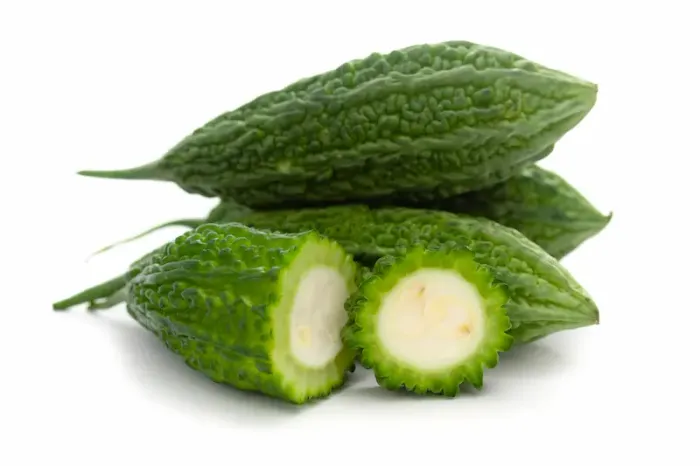
Karela, also called bitter gourd or bitter melon (Momordica charantia), is a classic ingredient in many Asian cuisines and a favorite among ayurvedic vegetables. It’s known for its sharp bitter taste and for potential health benefits that people often ask about, especially karela benefits for diabetes control. In this guide, you’ll learn what the research really says, how Ayurveda traditionally uses karela, how to include it safely in your diet, and who should avoid it.
What Is Karela (Bitter Gourd)?
• A tropical vine fruit used as a vegetable
• Common in Indian, Chinese, and Southeast Asian cooking
• Eaten fresh (stir-fries, curries), juiced, or taken as powders/teas/capsules
In simple terms, karela is a nutrient-dense, low-calorie vegetable with a long history in traditional medicine. While it’s often discussed for blood sugar support, it is not a cure for diabetes and should not replace prescribed treatment.
Karela in Ayurveda: Traditional Perspective
In Ayurveda, karela is considered:
• Bitter (tikta) and cooling, often used to balance pitta and kapha
• Traditionally used for digestion, skin support, and “shodhana” (cleansing)
• Described in relation to “madhumeha,” a condition analogous to diabetes in modern terms
Important note: Ayurvedic uses reflect traditional practice. Scientific evidence varies and is still developing. Use karela as part of a balanced diet and overall health plan, not as a stand-alone remedy.
Karela Benefits at a Glance
Potential benefits discussed in research and traditional use:
• Blood sugar support: May modestly help with glucose levels
• Weight-friendly: Low calorie, contains fiber, helps you feel full
• Nutrient content: Provides vitamin C, folate, and antioxidants
• Digestive support: Bitter foods can stimulate digestion for some people
Evidence is mixed for many of these benefits. Always talk to your healthcare provider, especially if you take diabetes medications or insulin.
How Karela May Support Diabetes Control?
Why people ask: Karela is often mentioned alongside diabetes control, and it’s one of the most discussed ayurvedic vegetables for this purpose.
What the science say?
• Laboratory and animal studies: Compounds in bitter gourd (such as charantin and polypeptide-p) show glucose-lowering activity in experimental settings.
• Human studies: Small, short-term trials suggest a modest effect on fasting or post-meal glucose in some people. However, results are inconsistent, study methods vary, and larger, well-designed trials are needed.
• Bottom line: Karela may offer mild support for blood sugar, but it is not a substitute for medically recommended diet, exercise, and prescribed medications.
Practical tips if you use karela for blood sugar
• Keep your routine care: Continue your prescribed diabetes plan and regular monitoring.
• Start small: Add karela as food first—e.g., 1–2 servings per week—and track how you feel.
• Watch for low sugar: If you take insulin or oral diabetes medicines, monitor blood glucose to avoid hypoglycemia.
• Discuss supplements: If considering juice, powders, or capsules, speak with your clinician first. There’s no standardized dose, and products vary in strength and quality.
Other Potential Karela Benefits
1) Digestive support
• Bitter flavors can increase saliva and digestive secretions for some people.
• High-fiber vegetables that can support regularity.
2) Nutrient and antioxidant content
• Karela contains vitamin C, folate, and various plant antioxidants that support immune and cellular health.
3) Weight management
• Low in calories and provide fiber; helpful in filling, vegetable-forward meals.
Remember: These general food-based benefits are best realized when karela is part of an overall healthy eating pattern (vegetables, whole grains, lean proteins, healthy fats, and limited added sugars).Consult Top Specialists
How to Use Karela Safely?
Food forms
• Fresh vegetable: Stir-fries, curries, stuffed karela, soups
• Juice: Very bitter; usually taken in small amounts
• Powder/tea/capsules: Concentrated forms—potency varies by brand
Preparation tips to reduce bitterness
• Choose greener, less ripe fruits (light green tends to be less bitter than very dark, mature fruit)
• Slice thin, remove seeds and pith
• Salt and rest for 15–20 minutes, then rinse and cook
• Pair with aromatics and spices (onion, garlic, tomato, cumin, turmeric)
Suggested culinary usage
• Start with ½ cup cooked karela in a mixed-vegetable dish
• Combine with protein and whole grains for balanced meals
• Avoid taking concentrated juices or supplements on an empty stomach if you’re sensitive
Side Effects and Safety Considerations
• Karela is generally safe as a food for most healthy adults. However, side effects can occur, especially with large amounts, juices, or supplements.
Possible side effects
• Gastrointestinal: Stomach upset, abdominal cramps, diarrhea
• Headache or dizziness in some individuals
• Hypoglycemia: Lower blood sugar, especially if combined with diabetes medications or insulin
Special cautions
• Pregnancy: Avoid medicinal amounts (juices/supplements). Some reports and traditional cautions suggest potential risks in pregnancy.
• Breastfeeding: Safety is unclear for concentrated forms—avoid unless your clinician approves.
• Children: Avoid seeds; there have been reports of adverse effects in children from seed compounds.
• G6PD deficiency: Seeds contain vicine-like compounds; avoid seeds if you have G6PD deficiency due to risk of hemolysis.
• Surgery: Stop concentrated products at least 1–2 weeks before surgery to reduce blood-sugar swings (confirm timing with your surgeon).
Medication interactions
• Diabetes medications and insulin: May increase the risk of low blood sugar. Monitor closely and consult your clinician for any dose adjustments.
• Other medications: Limited data. If you take multiple medicines or have liver/kidney conditions, discuss karela with your healthcare provider first.
Who Should Avoid or Be Extra Careful?
• Pregnant or breastfeeding individuals (avoid medicinal amounts)
• People on insulin or sulfonylureas, unless closely monitored
• Individuals with G6PD deficiency (avoid seeds)
• Children (avoid seeds and concentrated forms)
• Anyone with a history of severe hypoglycemia or eating disorders
• People scheduled for surgery (avoid concentrated products beforehand)
Smart Ways to Add Karela to a Balanced Plan
Think of karela as one healthy piece of a larger plan for wellness and diabetes control:
• Build your plate with non-starchy vegetables (including ayurvedic vegetables like karela), lean proteins, whole grains, and healthy fats.
• Keep active most days of the week.
• Sleep well and manage stress.
• Take medications as prescribed and monitor blood sugars as directed.
• Meet with a registered dietitian or diabetes educator for personalized guidance.
Simple Recipes and Serving Ideas
• Quick stir-fry: Thinly sliced karela with onions, tomatoes, turmeric, cumin, and a squeeze of lemon
• Mixed veg sabzi: Karela, bell pepper, and tofu/paneer with spices
• Stuffed karela: Lightly sautéed onion-spice filling; bake or pan-cook until tender
• Add to dal or sambar for a pleasantly bitter note that balances richer flavorsConsult Top Specialists
Consult Top Specialists

Dr. Anjan Das
Ayurveda Practitioner
8 Years • Ayurvedacharya ( B.A.M.S )
Dumdum
Vedhive Ayurveda Clinic, Dumdum

Dr. Shiv Prakash Singh
Ayurveda Practitioner
19 Years • BAMS
Kolkata
Vedhive Ayurveda College Street, Kolkata

(50+ Patients)

Dr. Rik Sadhukhan
Ayurveda Practitioner
8 Years • BAMS
Kolkata
Vedhive Ayurveda, Ballygunge, Kolkata
Consult Top Specialists
Dr. Anjan Das
Ayurveda Practitioner
8 Years • Ayurvedacharya ( B.A.M.S )
Dumdum
Vedhive Ayurveda Clinic, Dumdum
Dr. Shiv Prakash Singh
Ayurveda Practitioner
19 Years • BAMS
Kolkata
Vedhive Ayurveda College Street, Kolkata
(50+ Patients)
Dr. Rik Sadhukhan
Ayurveda Practitioner
8 Years • BAMS
Kolkata
Vedhive Ayurveda, Ballygunge, Kolkata
More articles from General Medical Consultation


 Nutritional Benefits and Healthy Recipes.webp)

Frequently Asked Questions
1) Can karela cure diabetes?
No. Karela cannot cure diabetes. Some studies suggest it may modestly support blood sugar, but results are mixed. Always continue your prescribed care and monitoring.
2) Is karela juice better than eating vegetables?
Not necessarily. Juice can be more concentrated and may raise the risk of side effects, including low blood sugar. Most people are safer starting with karela as a cooked vegetable.
3) How often can I eat karela?
As a food, 1–2 servings per week is reasonable for many adults. If you have diabetes or take medications that lower blood sugar, monitor levels and discuss your plan with your clinician.
4) Are supplements of bitter melon safe?
Quality and potency vary widely, and there’s no standardized dose. If you choose a supplement, consult your healthcare provider, especially if you take diabetes medicines, are pregnant, or have medical conditions.
5) Who should not use karela?
Avoid medicinal amounts if you’re pregnant or breastfeeding; avoid seeds if you have G6PD deficiency; be cautious if you’re on insulin or oral diabetes drugs; and avoid concentrated forms before surgery. Children should not consume the seeds.