


Kokum in Ayurveda: Uses & Benefits
Kokum in Ayurveda: uses, safety, and tips. Learn kokum ayurveda benefits, easy recipes, and cautions in a simple, trustworthy guide.

Written by Dr. Vasanthasree Nair
Reviewed by Dr. Rohinipriyanka Pondugula MBBS
Last updated on 14th Jan, 2026
Introduction
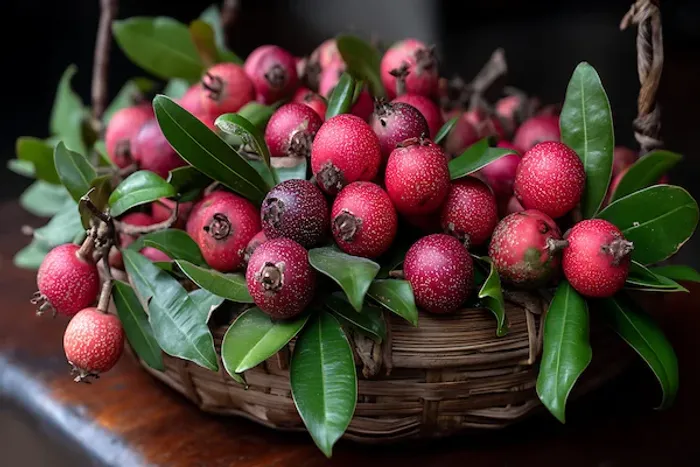
Kokum (Garcinia indica) is a tangy, deep-red fruit traditionally enjoyed along India’s west coast, where it is used to prepare refreshing summer drinks, flavourful curries, and kokum butter, a soothing plant-based fat. In Ayurveda, kokum is valued for its cooling nature and its gentle support for digestion, particularly during hot weather. If you are exploring kokum Ayurveda benefits, what it offers, how it is used, what traditional wisdom says, and how science views it this guide provides a clear, practical overview to help you make informed choices about using kokum safely and effectively at home.
Consult a Top Ayurveda Doctor for Personalised Advice
What Is Kokum?
Let us learn about the basics of kokum:
- Botanical name: Garcinia indica
- Where it grows: Native to India’s Western Ghats
- Culinary uses: Dried rind for a natural sour note in curries and dals; refreshing kokum water or sherbet; sol kadhi made with coconut milk
- Other product: Kokum butter from the seeds, used in traditional skincare and select culinary applications
Kokum Uses and Approach
In many Indian households, kokum is considered a naturally cooling ingredient, enjoyed in drinks or meals to offset heat and support comfort after eating. Within the Ayurvedic tradition:
- It is used to balance internal heat and promote a sense of ease following meals
- A small amount of its sour taste is used to gently stimulate appetite and enhance flavour
- Kokum butter is applied topically to support dry or rough skin
- Important note: Traditional use should not be assumed to equal proven medical benefit. Kokum is best viewed as a culinary and cultural ingredient rather than a medical treatment. Anyone with health concerns should consult a clinician for guidance.
Kokum Benefits: What To Expect (And What Not To)
The benefits include:
What You Can Reasonably Expect
- Culinary support for lighter meals: Its sharp, tangy taste can add brightness and variety, often helping reduce the need for excess salt or oil.
- A refreshing summer drink: Kokum water or lightly sweetened sherbet can help maintain fluid intake in warm weather while offering a gentle, pleasant flavour.
- A soothing after-meal beverage: Many people enjoy a warm kokum infusion for subtle comfort after meals, similar in spirit to lemon or herbal-infused water.
What You Should Not Expect
- Rapid results for weight loss, diabetes, cholesterol, or liver health, as strong human research supporting medicinal effects is lacking.
- Disease treatment or medical-grade outcomes. Kokum is best used as food. For health conditions, appropriate medical care is essential.
What Does Science Say About Kokum?
The facts of kokum include:
Food and Culinary Use
Kokum is widely consumed in cooking. Its pigments and natural compounds have been studied mainly in laboratory and animal settings. These findings, while interesting, do not replace well-designed human studies, which remain limited.
Antioxidants and Polyphenols In General
Many plant foods contain compounds that show antioxidant activity under controlled laboratory conditions. Health authorities emphasise that a broadly plant-rich diet is more dependable than relying on specific ingredients or supplements for antioxidant effects.
Supplements Versus Food
Concentrated extracts from certain Garcinia species, such as Garcinia cambogia, have been promoted for weight loss. Evidence for these benefits is weak, and some reports have raised safety concerns. This reinforces a food-first approach and caution with high-dose extracts, including kokum-based products.
Bottom Line On Evidence
Enjoy kokum as part of a balanced diet. Do not rely on kokum or any single herb for disease prevention or treatment. If you encounter bold health claims, approach them with scepticism and seek medical advice.
How To Use Kokum Safely At Home?
Simple ways to try kokum as food include:
- Kokum water: Rinse 2–3 dried rind pieces, soak in 1–2 cups of safe water for 30–60 minutes, lightly crush, strain, and chill. Add roasted cumin or fresh mint if desired.
- Light kokum sherbet: Prepare kokum water, then lightly sweeten. Keep sugar modest and refrigerate promptly.
- Cooking: Soak 3–4 dried rinds in warm water for 10–15 minutes. Add the softened rind or the infusion to dals, curries, or light soups.
- Sol kadhi: Blend coconut milk with strained kokum infusion, adding garlic (optional), cumin, and salt as desired. Serve chilled.
- Portion note: Kokum has a strong sourness, so small amounts are usually sufficient.
Smart Kitchen and Safety Tips
Smart kitchen and safety tips include:
- Rinse dried kokum before use and store it in a cool, dry place
- Refrigerate kokum-based drinks and consume within 24–48 hours
- Use clean, safe water for soaking; boil and cool the water if the quality is uncertain
- If making syrups or concentrates, refrigerate and check regularly for spoilage
Kokum Butter: What To Know
Things to know about kokum:
- What it is: A firm, plant-based fat extracted from kokum seeds, used in skincare and some confectionery.
- Skin use: Often found in balms or body butters as an occlusive moisturiser. Patch test new products on the inner forearm for 24 hours if your skin is sensitive.
- Not a cure: It may help with dryness, but it is not suitable for treating eczema, infections, or other skin conditions. For persistent skin issues, consult a clinician.
Who Should Be Cautious With Kokum?
Be cautious of kokum use if you belong to the following categories
- Pregnancy and breastfeeding: Culinary amounts are generally acceptable, but concentrated extracts should be avoided unless approved by a clinician.
- Children: Use kokum as a mild culinary ingredient. Avoid concentrated herbal preparations for children without professional advice.
- Liver disease or multiple medications: Avoid high-dose herbal supplements, including multi-ingredient Garcinia products, because interactions and liver risks have been reported with some supplements.
- Allergies and sensitivities: If you experience reactions after eating kokum or applying kokum butter, discontinue use and seek guidance.
Kokum Vs Garcinia Cambogia: What’s The Difference?
The differences between kokum and garcinia include:
- Both plants belong to the Garcinia family but are separate species.
- Garcinia cambogia supplements have been widely marketed for weight loss, though evidence is poor, and some safety concerns have been noted.
- Best practice: Use kokum primarily as a food ingredient and approach any Garcinia-labelled supplements with caution, especially if they promote weight loss.
Practical Tips To Buy and Store Kokum
Practical tips to buy and store kokum are:
- Dried rinds: Look for deep red or purple tones and a naturally tangy aroma. Avoid pieces that are overly brittle or mouldy.
- Syrups and concentrates: Choose reputable brands with shorter ingredient lists and moderate sugar content. Refrigerate after opening.
- Kokum butter: When using on skin, choose products with minimal additives and conduct a patch test.
Balanced Lifestyle Matters More Than Single Ingredients
Kokum can be a cooling, enjoyable addition to meals and drinks, particularly in warm climates. However, a single herb cannot replace the benefits of a balanced routine. For most people, focusing on:
- Adequate hydration
- A varied, plant-forward diet
- Consistent daily activity and rest
- Appropriate medical care
offers far more reliable support for wellbeing than relying on any ingredient in isolation.
Kokum Benefits
The kokum's overall benefits are:
- Use kokum as a flavourful food ingredient and as a refreshing hydration option.
- Appreciate its traditional reputation as a cooling, digestive-friendly fruit while keeping expectations realistic.
- Avoid depending on kokum or any single herb for weight loss or treating illnesses.
- Seek healthcare guidance if pregnant, managing chronic conditions, or taking several medications.
Conclusion
Kokum is a vibrant, tangy fruit with a long history in coastal Indian cooking and Ayurvedic tradition. When used in modest culinary amounts, it offers refreshing flavour, gentle after-meal comfort, and enjoyable hydration options. While cultural wisdom values kokum as a cooling ingredient, scientific research remains limited, so it is best used within a balanced diet rather than as a medical solution. By choosing fresh, good-quality products and following simple preparation tips, you can enjoy kokum safely at home. Remember that overall lifestyle patterns will always matter more than any single ingredient.
Consult a Top Ayurveda Doctor for Personalised Advice
Consult a Top Ayurveda Doctor for Personalised Advice

Dr. Rik Sadhukhan
Ayurveda Practitioner
8 Years • BAMS
Kolkata
Vedhive Ayurveda, Ballygunge, Kolkata

Dr. Shiv Prakash Singh
Ayurveda Practitioner
19 Years • BAMS
Kolkata
Vedhive Ayurveda College Street, Kolkata

(50+ Patients)

Dr. Anjan Das
Ayurveda Practitioner
8 Years • Ayurvedacharya ( B.A.M.S )
Dumdum
Vedhive Ayurveda Clinic, Dumdum
Consult a Top Ayurveda Doctor for Personalised Advice
Dr. Rik Sadhukhan
Ayurveda Practitioner
8 Years • BAMS
Kolkata
Vedhive Ayurveda, Ballygunge, Kolkata
Dr. Shiv Prakash Singh
Ayurveda Practitioner
19 Years • BAMS
Kolkata
Vedhive Ayurveda College Street, Kolkata
(50+ Patients)
Dr. Anjan Das
Ayurveda Practitioner
8 Years • Ayurvedacharya ( B.A.M.S )
Dumdum
Vedhive Ayurveda Clinic, Dumdum
More articles from General Medical Consultation




Frequently Asked Questions
What Is Kokum?
Kokum is the fruit of Garcinia indica. The dried rind adds a gentle sourness to drinks and dishes, and the seeds yield kokum butter, which is used in skincare and some culinary preparations.
Is Kokum The Same As Garcinia Cambogia?
No. They are related but distinct species. Garcinia cambogia supplements are marketed for weight loss, but evidence is weak, and concerns have been raised. Kokum is best enjoyed as a culinary ingredient.
Can Kokum Help With Weight Loss?
There is no strong human evidence supporting kokum for meaningful weight loss. Sustainable weight management relies on a balanced diet, activity, sleep, and professional advice.
Is Kokum Safe In Pregnancy?
Small culinary amounts are generally fine, but concentrated extracts and supplements should be avoided during pregnancy or breastfeeding unless approved by a clinician.
How Do I Make A Simple Kokum Drink?
Rinse 2–3 dried kokum rinds, soak in 1–2 cups of drinking water for 30–60 minutes, lightly crush, strain, and chill. Add roasted cumin or mint if desired. Refrigerate and consume within 24–48 hours.