


Liposuction Surgery: Key Benefits, Risks & Recovery
Thinking about liposuction? Learn benefits, liposuction risks, recovery tips, and safer choices for body contouring from trusted medical sources.

Written by Dr. Siri Nallapu
Reviewed by Dr. J T Hema Pratima MBBS, Fellowship in Diabetes Mellitus
Last updated on 13th Jan, 2026
Introduction
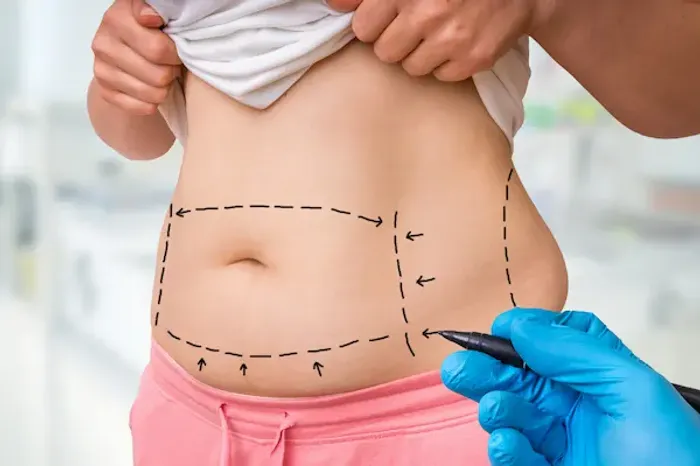
Liposuction is one of the most frequently performed cosmetic procedures worldwide, chosen by people who want to refine their shape in ways diet and exercise alone cannot achieve. Although it can deliver smoother contours and improved proportions, it is still surgery, and understanding liposuction risks, benefits, recovery expectations, and candidacy is essential before making any decisions. This expanded guide explores how liposuction works, what makes someone a good candidate, potential complications, the recovery timeline, alternatives, and how to choose a qualified surgeon. By learning what to expect, you can move forward with clarity and confidence.
Consult Top Plastic Surgeons
What Is Liposuction?
Liposuction, also known as lipoplasty or suction-assisted lipectomy, is a surgical method that removes excess fat from targeted areas using a thin tube called a cannula. The cannula is inserted through small incisions and connected to a suction to remove fat deposits.
Where is It Commonly Performed?
- Abdomen
- Flanks and waist
- Hips and thighs
- Buttocks
- Upper arms
- Back and bra-line area
- Under the chin and jawline
- Knees
Key Points About Liposuction
- It is not a weight-loss treatment; it is intended for contouring and proportion refinement.
- It does not directly address cellulite or significant loose skin.
- It works best for people who are already near a healthy, stable weight.
- Results focus on shape, balance, and smoother lines—not dramatic changes on the scale.
Common Techniques Used
Commonly used techniques include:
Tumescent Liposuction
The most widely used technique, where a large volume of dilute anaesthetic and epinephrine solution is infused to
reduce bleeding and ease fat removal.
Power-Assisted Liposuction (PAL)
Uses a vibrating cannula that helps break up fat, allowing for more efficient removal.
Ultrasound- or Laser-Assisted Liposuction
Energy is used to break down fat before suctioning. These methods may be useful for certain areas, but can carry
additional risks such as thermal injury.
Who Is a Good Candidate?
You may be a suitable candidate for liposuction if:
- You are in good overall health.
- You maintain a stable weight and a healthy lifestyle.
- You have good skin elasticity and no severe skin sagging in the target area.
- You do not smoke, or you can stop temporarily before and after surgery.
- You have realistic expectations about outcomes and understand what the procedure cannot achieve.
Liposuction is best for treating stubborn fat pockets that persist despite exercise and balanced eating, rather than for
overall fat loss.
Benefits: How Liposuction Helps with Body Contouring
People consider liposuction for a variety of reasons, many of which focus on improving appearance in a subtle yet
meaningful way.
Key Benefits
- Targeted fat reduction that diet and exercise may not address.
- Improved body silhouette, shape, and proportion.
- Ability to smooth asymmetries or refine specific areas with precision.
- Long-lasting results when paired with a stable lifestyle.
- Increased confidence, particularly when clothing fits better, and overall contours improve.
Why Results Last?
Fat cells removed during liposuction do not regenerate. However, remaining fat cells can expand if weight increases.
Maintaining your weight through consistent habits helps preserve results long term.
Understanding Liposuction Risks and Safety
Every surgery carries potential complications. Knowing liposuction risks helps you weigh the benefits and make well-
informed choices.
Common Temporary Effects
- Swelling and bruising
- Soreness or discomfort
- Mild fluid drainage from incision sites
- Temporary numbness or altered sensation
- Early contour unevenness while swelling settles
Less Common to Rare Complications
- Infection
- Bleeding or haematoma formation
- Seroma (fluid collection)
- Irregular contours, asymmetry, or dimpling
- Sensory changes, including numbness
- Blood clots, such as deep vein thrombosis
- Pulmonary embolism
- Fat embolism (very rare but serious)
- Lidocaine toxicity in tumescent anaesthesia (rare with correct dosing)
- Thermal burns (more likely with energy-assisted methods)
- Damage to underlying tissues or organs (extremely rare)
- Fluid shifts affecting heart or kidney function, especially with large volumes removed
Factors That Increase Risk
- Removal of very large volumes of fat
- Combining liposuction with multiple other surgeries in one session
- Smoking or using nicotine products
- Underlying health conditions, such as uncontrolled diabetes or heart disease
- Procedures performed outside accredited surgical facilities
How to Lower Your Risk Before Surgery?
Your safety depends not only on the surgeon’s skill but also on careful preparation.
Ways to Reduce Risk
- Choose a board-certified plastic surgeon who frequently performs liposuction.
- Verify that the procedure takes place in an accredited operating facility.
- Share your full medical history and list of medications and supplements.
- Stop smoking and avoid nicotine as instructed.
- Maintain a consistent, stable weight beforehand.
- Follow all preoperative instructions, including fasting and hygiene guidelines.
- Ask your surgeon about the amount of fat planned for removal and postoperative monitoring.
What Happens During the Procedure?
Liposuction varies depending on the areas treated, but core steps remain similar.
Anaesthesia
Your surgeon may use local anaesthesia with sedation or general anaesthesia. The choice depends on the number of
areas and the expected volume removed.
The Process
- Tumescent fluid is infused to reduce bleeding and facilitate fat removal.
- Small incisions are made to introduce the cannula.
- Fat is loosened and suctioned through a vacuum system.
- Incisions may be closed or left slightly open for drainage.
Surgical Duration
Procedures can take from under an hour to several hours, depending on complexity. Large-volume liposuction or
higher-risk individuals may require an overnight stay.
Recovery Timeline: What to Expect
Recovery experiences vary widely, but these general stages help you understand what to anticipate.
Days 1–3
- Swelling, bruising, and soreness are normal.
- Compression garments help reduce swelling and support the new shape.
- Light walking is encouraged to lower blood clot risk.
Weeks 1–2
- Bruising starts to fade, though swelling continues.
- Many people return to non-strenuous work within a few days to 2 weeks.
- Heavy lifting and vigorous exercise should still be avoided.
Weeks 3–6
- Gradual return to exercise is usually safe.
- Early results begin to show more clearly as swelling eases.
3–6 Months and Beyond
- Final results emerge gradually as tissues settle.
- Scars fade and are generally discreet.
- Occasional numbness or firmness may persist but typically improves.
When to Contact Your Surgeon?
Seek immediate advice for fever, worsening pain, spreading redness, sudden swelling, shortness of breath, chest pain, or
calf pain, as these may signal complications requiring urgent care.
Alternatives to Liposuction
Not everyone needs surgery. Depending on your goals, alternatives may offer a better fit.
Non-Surgical Options
- Cryolipolysis (fat freezing)
- Radiofrequency fat reduction
- Ultrasound-based contouring
- Injection lipolysis for small areas, like under the chin
These techniques have minimal downtime but offer more subtle results and may require multiple sessions.
Other Surgical Alternatives
- Tummy tuck for loose abdominal skin or muscle separation
- Arm, thigh, or body lift procedures for significant skin laxity
Cost and Insurance Considerations?
Liposuction is an elective cosmetic procedure and is rarely covered by insurance. Costs depend on the surgeon's
expertise, location, number of areas treated, facility fees, and anaesthesia. Always request a detailed cost breakdown
that includes follow-up visits and compression garments.
How to Choose the Right Surgeon?
Selecting a qualified surgeon is one of the most important choices you will make.
What to Look For?
- Board certification recognised in your region
- Surgery performed in accredited facilities
- A strong portfolio of before-and-after photos
- Clear communication, transparency, and comfort during consultation
- Willingness to discuss risks, benefits, and realistic outcomes
Setting Realistic Expectations
Liposuction can refine your silhouette, but it cannot completely reshape your body or dramatically reduce weight. Good
candidates approach the procedure with a balanced understanding and continue healthy lifestyle habits afterwards.
Some patients consider touch-up procedures if small asymmetries remain once swelling resolves.
Quick Recap: Benefits vs Liposuction Risks
The benefits versus risks include:
Benefits
- Targeted fat removal
- Enhanced body proportion
- Long-lasting contour improvements
- Potential boost in self-confidence
Risks
- Infection, bleeding, and contour irregularities
- Nerve changes and fluid shifts
- Blood clots and rare events such as fat embolism
- Greater risks with large-volume removal or combined procedures
Safety Tips
Safety tips include:
- Choose an experienced, board-certified surgeon
- Operate in an accredited facility
- Maintain a stable weight
- Follow all preoperative and postoperative instructions
Conclusion
Liposuction can be an effective way to refine your body shape, especially when you are close to your ideal weight and
want targeted improvements. Although the procedure is popular and well established, it is essential to understand
liposuction risks, recovery expectations, and the importance of choosing a qualified surgeon. Careful planning, realistic goals, and consistent postoperative habits allow most people to enjoy long-lasting contour enhancements. When in doubt, seeking further guidance from a certified plastic surgeon ensures that your decision is safe, informed, and aligned with your individual needs.
Consult Top Plastic Surgeons
Consult Top Plastic Surgeons

Dr. Pradeep Y V
Plastic Surgeon
15 Years • MBBS ,MS(SURGERY) MCh(Plastic surgery), consultant plastic& cosmetic surgery
Bengaluru
Apollo Hospitals Jayanagar, Bengaluru

(25+ Patients)

Dr. Arpit Verma
Surgical Oncologist
5 Years • MBBS, MS General Surgery, MCh. Plastic Surgery
Delhi
Apollo Hospitals Indraprastha, Delhi

Dr Astha Sarda
Plastic Surgeon
5 Years • "M.Ch Plastic Surgery – Bangalore Medical College & Research Institute, RGUHS (2021) DrNB Plastic Surgery – National Board of Examinations (2024) MS General Surgery – BJGMC, Pune, MUHS (2017) MBBS – Bangalore Medical College & Research Institute, RGUHS (2012) 12th Standard – Mount Carmel College, Bengaluru (2007) 10th Standard – Presidency School, Bengaluru (2005)"
Hyderabad
Apollo Hospitals Financial District, Hyderabad

Dr. Allu Bhavya Sree
Plastic Surgeon
3 Years • M.S., M.Ch (Plastic Surgery)(NIMS) Fellow Aesthetic Surgery (Belgium)
Chinagadila
Apollo Hospitals Health City Unit, Chinagadila

Dr. Penta Radha Krishna Prasad
Plastic Surgeon
30 Years • MBBS, MS, MCH
Chinagadila
Apollo Hospitals Health City Unit, Chinagadila
Consult Top Plastic Surgeons
Dr. Pradeep Y V
Plastic Surgeon
15 Years • MBBS ,MS(SURGERY) MCh(Plastic surgery), consultant plastic& cosmetic surgery
Bengaluru
Apollo Hospitals Jayanagar, Bengaluru
(25+ Patients)
Dr. Arpit Verma
Surgical Oncologist
5 Years • MBBS, MS General Surgery, MCh. Plastic Surgery
Delhi
Apollo Hospitals Indraprastha, Delhi
Dr Astha Sarda
Plastic Surgeon
5 Years • "M.Ch Plastic Surgery – Bangalore Medical College & Research Institute, RGUHS (2021) DrNB Plastic Surgery – National Board of Examinations (2024) MS General Surgery – BJGMC, Pune, MUHS (2017) MBBS – Bangalore Medical College & Research Institute, RGUHS (2012) 12th Standard – Mount Carmel College, Bengaluru (2007) 10th Standard – Presidency School, Bengaluru (2005)"
Hyderabad
Apollo Hospitals Financial District, Hyderabad
Dr. Allu Bhavya Sree
Plastic Surgeon
3 Years • M.S., M.Ch (Plastic Surgery)(NIMS) Fellow Aesthetic Surgery (Belgium)
Chinagadila
Apollo Hospitals Health City Unit, Chinagadila
Dr. Penta Radha Krishna Prasad
Plastic Surgeon
30 Years • MBBS, MS, MCH
Chinagadila
Apollo Hospitals Health City Unit, Chinagadila
More articles from General Medical Consultation
.webp)



Frequently Asked Questions
1) Is liposuction safe?
Liposuction is considered safe when performed by a qualified, board-certified plastic surgeon in an accredited facility. Individual risk depends on your overall health, the amount of fat removed, and whether multiple procedures are combined. Discuss your personal health profile with your surgeon for a clearer assessment.
2) How much weight will I lose with liposuction?
Liposuction does not result in significant weight loss; instead, it targets specific fat deposits to improve contour and proportion. Most people notice a change in how their clothes fit and how their silhouette looks, rather than dramatic movement on the scales.
3) Will fat come back after liposuction?
Once removed, fat cells do not grow back, but remaining fat cells can enlarge with weight gain. Maintaining a stable weight through balanced eating and regular activity helps preserve your long-term results.
4) How long is the recovery?
Many people return to work within a week, while more extensive treatments may require up to two weeks. Light exercise usually resumes within a few weeks, and full results gradually appear over several months as swelling subsides.
5) What are the signs I should call my doctor after surgery?
You should contact your surgeon immediately if you experience fever, rising redness, worsening pain, shortness of breath, chest discomfort, calf swelling, or heavy bleeding, as these symptoms may indicate complications requiring urgent medical attention.