Loni Benefits
Discover the health benefits of loni (Indian butter), a traditional dairy superfood. Learn how it supports digestion, bone strength, heart health, and more.

Written by Dr. J T Hema Pratima
Reviewed by Dr. Md Yusuf Shareef MBBS, Advanced Certificate Course in Dermatology
Last updated on 13th Jan, 2026
Introduction
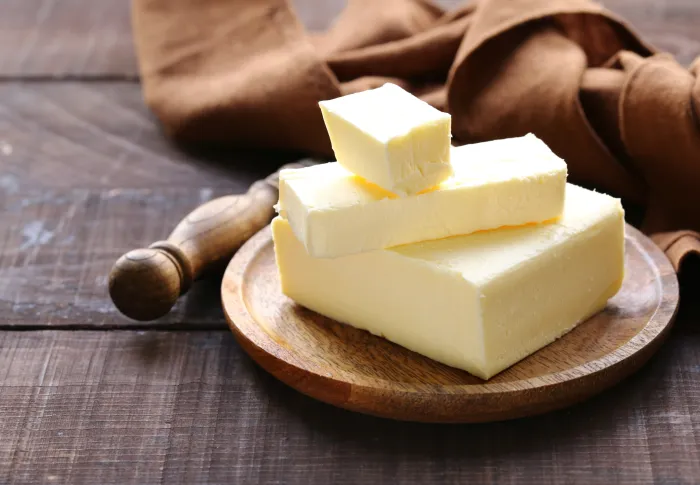
When we think of traditional Indian foods, loni (Indian butter) often comes to mind. Made from churning curd or cream, loni is rich, flavorful, and packed with nutrients. While butter has been debated for its health effects, when consumed in moderation, loni offers several surprising benefits. Let’s explore why this golden delight can be a healthy addition to your diet.
What is Loni (Indian Butter)?
Loni is a form of homemade white butter, traditionally prepared by churning curd or malai (cream). Unlike processed butter, loni retains natural nutrients like healthy fats, vitamins, and probiotics. It is widely used in Indian households, especially in rural areas, where it is eaten with roti, rice, or parathas.
Consult Top Specialists for Personalised Usage Tips
Health Benefits of Loni
Adding loni to your diet may offer various health advantages, particularly when used in moderation as part of a nutrient-rich meal plan.
1. Rich in Healthy Fats
Loni contains short-chain fatty acids (SCFAs) and medium-chain triglycerides (MCTs), which are easier to digest than processed fats. These fats provide quick energy and support brain function.
2. Boosts Digestion
Since loni is made from fermented curd, it contains probiotics that promote gut health. It helps in digestion, reduces bloating, and improves nutrient absorption.
3. Strengthens Bones
Loni is a good source of fat-soluble vitamins like A, D, E, and K2, which are essential for bone health. Vitamin K2, in particular, helps in calcium absorption, reducing the risk of osteoporosis.
4. Supports Heart Health
Contrary to popular belief, moderate consumption of loni may improve heart health by increasing good cholesterol (HDL) and reducing bad cholesterol (LDL) when eaten as part of a balanced diet.
5. Enhances Skin & Hair Health
The healthy fats and vitamins in loni help maintain glowing skin and strong hair. Applying loni topically can also moisturise dry skin and reduce dandruff.
6. Boosts Immunity
The butyric acid in loni has anti-inflammatory properties that strengthen the immune system and help fight infections.
7. Provides Energy
Loni is calorie-dense and provides sustained energy, making it a great addition for people with high physical activity levels.
How to Include Loni in Your Diet?
Loni can be a delicious and healthy addition to your meals when used in small amounts. Here are some simple ways to enjoy it:
Spread a teaspoon over fresh rotis or parathas.
Add a dollop to hot rice and dal for enhanced flavour and nutrition.
Use it as a finishing touch in traditional dishes like khichdi or sabzi.
Recommended intake: 1–2 teaspoons per day is typically sufficient for most healthy adults.
Who Should Be Cautious?
While loni can be beneficial, individuals with the following conditions should use it sparingly:
High cholesterol or lipid disorders
Obesity or overweight concerns
Heart disease or hypertension
If you fall into any of these categories, it’s best to consult a doctor or dietitian before adding loni to your diet.
Final Thoughts
Loni is a nutrient-rich, traditional superfood that offers multiple health benefits when eaten mindfully. Instead of processed butter, consider switching to homemade loni for better digestion, stronger bones, and improved immunity.
If you have specific health concerns or need personalised dietary advice, you can consult a nutritionist on Apollo 24|7 for expert guidance.
Consult Top Ayurvedic Practitioner
Consult Top Specialists for Personalised Usage Tips

Dr. Khanisri Singapanga
Ayurveda Practitioner
14 Years • BAMS, MD Ayurveda
Hyderabad
AyushNidhi Ayurvedic Hospital | Panchakarma-Piles-Infertility Center, Hyderabad

(50+ Patients)

Dr. Vinay Bansal
Ayurveda Practitioner
28 Years • BAMS, MD(AM)
Ajit Singh Nagar
Chronic disease treatment with Ayurveda Panchkarma, Ajit Singh Nagar

Dr. Nikhil Prajapati
Ayurveda Practitioner
6 Years • BAMS
Banbasa
BM hospital and pharmacy, Banbasa

Dr. Rakesh Gupta
Ayurveda Practitioner
20 Years • BAMS
Delhi
Centre for Piles and Fistula, Delhi

Dr. Deep Chandra Gupta
Ayurveda Practitioner
18 Years • BAMS
Karnal
Vedika Ayurcare Health and Wellness Clinic, Karnal
Consult Top Ayurvedic Practitioner
Dr. Khanisri Singapanga
Ayurveda Practitioner
14 Years • BAMS, MD Ayurveda
Hyderabad
AyushNidhi Ayurvedic Hospital | Panchakarma-Piles-Infertility Center, Hyderabad
(50+ Patients)
Dr. Vinay Bansal
Ayurveda Practitioner
28 Years • BAMS, MD(AM)
Ajit Singh Nagar
Chronic disease treatment with Ayurveda Panchkarma, Ajit Singh Nagar
Dr. Nikhil Prajapati
Ayurveda Practitioner
6 Years • BAMS
Banbasa
BM hospital and pharmacy, Banbasa
Dr. Rakesh Gupta
Ayurveda Practitioner
20 Years • BAMS
Delhi
Centre for Piles and Fistula, Delhi
Dr. Deep Chandra Gupta
Ayurveda Practitioner
18 Years • BAMS
Karnal
Vedika Ayurcare Health and Wellness Clinic, Karnal