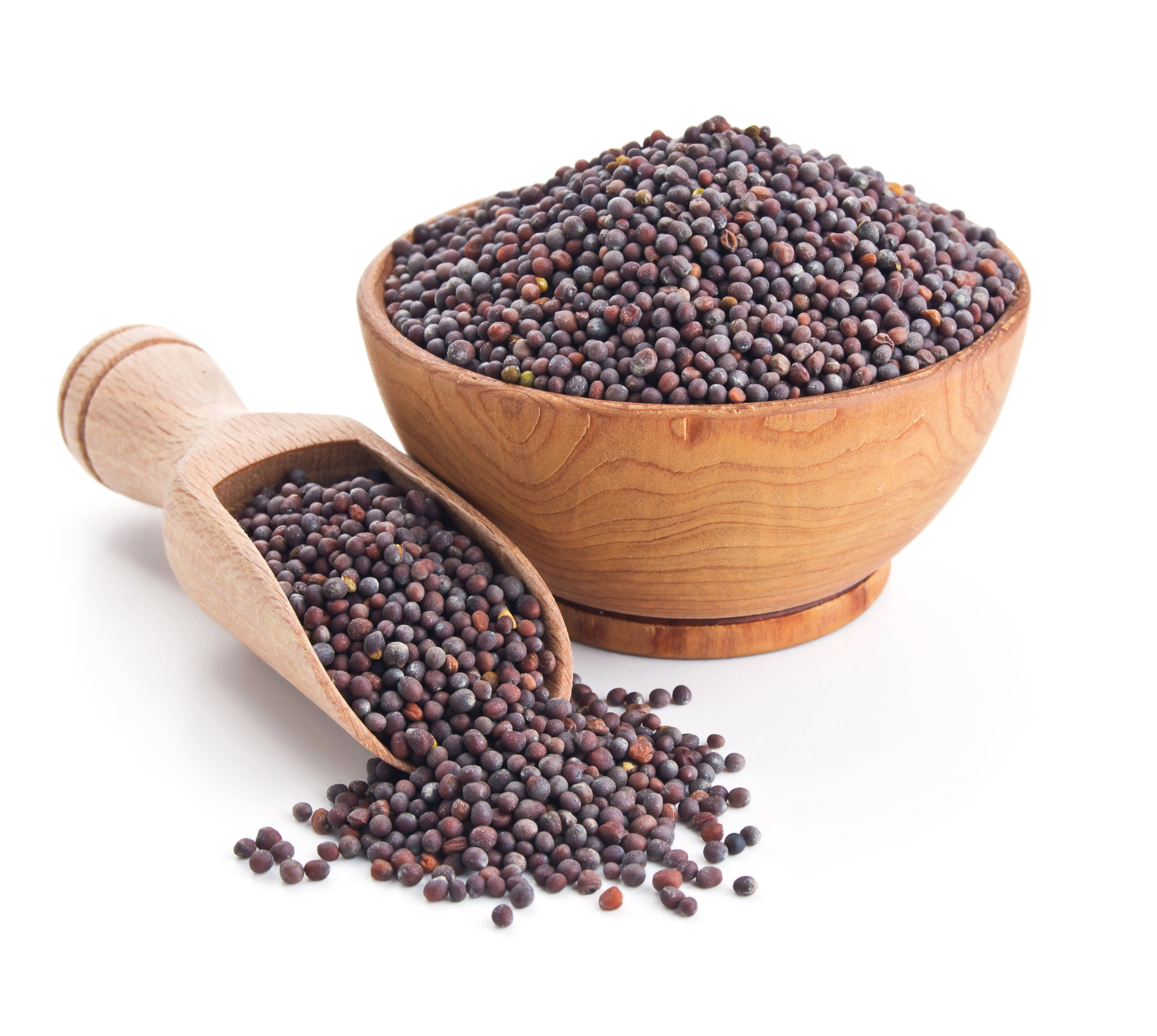
Masoor Benefits
Discover the health benefits of masoor dal (red lentils)—a nutrient-rich superfood that supports heart health, boosts energy, improves digestion, and aids in weight management. Learn why it's a must-add to your daily diet.

Written by Dr. Siri Nallapu
Reviewed by Dr. Rohinipriyanka Pondugula MBBS
Last updated on 28th Feb, 2026

Introduction
Masoor dal, or red lentils, are small, lens-shaped legumes that are widely used in Indian and Middle Eastern cuisines. They cook quickly, have a mild, earthy flavour, and blend well in soups, stews, and dals. Unlike some other lentils, masoor doesn’t require soaking, making it a convenient option for busy lifestyles.
If you’re looking for a simple, nutritious, and delicious food to add to your diet, masoor dal (red lentils) is an excellent choice! Packed with essential nutrients, masoor is not only easy to cook but also offers numerous health benefits. Whether you're trying to improve digestion, boost energy, or maintain a healthy heart, this humble lentil can be a game-changer.
Nutritional Powerhouse
Red lentils are loaded with essential nutrients, including:
Protein – Great for vegetarians and vegans to meet daily protein needs.
Fibre – Supports digestion and gut health.
Iron – Helps prevent anaemia and boosts energy.
Folate – Essential for pregnant women and cell growth.
Magnesium & Potassium – Supports heart health and muscle function.
Antioxidants – Helps fight inflammation and oxidative stress.
Consult Top Ayurvedic Practitioner
Top Health Benefits of Masoor Dal
Here’s what masoor dal does for your body:
1. Supports Heart Health
Masoor dal is rich in fibre, potassium, and magnesium, which help regulate blood pressure and reduce bad cholesterol (LDL). This lowers the risk of heart disease and stroke.
2. Aids Digestion & Gut Health
The high fibre content in masoor dal promotes healthy digestion, prevents constipation, and supports a balanced gut microbiome.
3. Boosts Energy & Fights Anemia
Since masoor is rich in iron, it helps in red blood cell production, preventing fatigue and anaemia. Pairing it with vitamin C-rich foods, like lemon or tomatoes, enhances iron absorption.
4. Helps in Weight Management
Low in calories but high in protein and fibre, masoor keeps you full for longer, reducing unnecessary snacking and aiding in weight loss.
5. Good for Diabetics
With a low glycemic index, masoor dal helps regulate blood sugar levels, making it a great choice for people with diabetes.
6. Strengthens Bones & Muscles
The magnesium, phosphorus, and protein in masoor support bone density and muscle strength, reducing the risk of osteoporosis.
7. Promotes Healthy Skin & Hair
The zinc and folate in masoor help maintain glowing skin and strong hair by promoting cell repair and growth.
How to Include Masoor in Your Diet?
Here are tasty ways to make masoor part of your everyday meals:
Masoor Dal Tadka – A simple, comforting dish with spices and ghee.
Lentil Soup – A warm, nutritious soup for cold days.
Salads – Mix boiled masoor with veggies for a protein-rich salad.
Khichdi – A wholesome one-pot meal with rice and lentils.
Who Should Be Cautious?
While masoor dal is generally safe, people with gout or kidney stones should consume it in moderation due to its purine content. Always consult a doctor if you have specific dietary restrictions.
Final Thoughts
Masoor dal is a budget-friendly, nutrient-packed superfood that can enhance your overall health. Whether you want better digestion, stronger immunity, or a healthier heart, including red lentils in your diet is a smart choice!
If you have any health concerns or need personalised dietary advice, consider consulting a nutritionist. You can book an online consultation or schedule a health check-up through Apollo 24|7 for expert guidance.
Consult Top Ayurvedic Practitioner
Consult Top Ayurvedic Practitioner

Dr. Nikhil Prajapati
Ayurveda Practitioner
6 Years • BAMS
Banbasa
BM hospital and pharmacy, Banbasa
Dr. Rakesh Gupta
Ayurveda Practitioner
20 Years • BAMS
Delhi
Centre for Piles and Fistula, Delhi

Dr. Deep Chandra Gupta
Ayurveda Practitioner
18 Years • BAMS
Karnal
Vedika Ayurcare Health and Wellness Clinic, Karnal

Dr. Khanisri Singapanga
Ayurveda Practitioner
14 Years • BAMS, MD Ayurveda
Hyderabad
AyushNidhi Ayurvedic Hospital | Panchakarma-Piles-Infertility Center, Hyderabad

(50+ Patients)

Dr. Vinay Bansal
Ayurveda Practitioner
28 Years • BAMS, MD(AM)
Ajit Singh Nagar
Chronic disease treatment with Ayurveda Panchkarma, Ajit Singh Nagar
Consult Top Ayurvedic Practitioner
Dr. Nikhil Prajapati
Ayurveda Practitioner
6 Years • BAMS
Banbasa
BM hospital and pharmacy, Banbasa
Dr. Rakesh Gupta
Ayurveda Practitioner
20 Years • BAMS
Delhi
Centre for Piles and Fistula, Delhi
Dr. Deep Chandra Gupta
Ayurveda Practitioner
18 Years • BAMS
Karnal
Vedika Ayurcare Health and Wellness Clinic, Karnal
Dr. Khanisri Singapanga
Ayurveda Practitioner
14 Years • BAMS, MD Ayurveda
Hyderabad
AyushNidhi Ayurvedic Hospital | Panchakarma-Piles-Infertility Center, Hyderabad
(50+ Patients)
Dr. Vinay Bansal
Ayurveda Practitioner
28 Years • BAMS, MD(AM)
Ajit Singh Nagar
Chronic disease treatment with Ayurveda Panchkarma, Ajit Singh Nagar
.webp)