


What Is Monk Fruit? Health Benefits & Potential Uses
Learn what monk fruit is, its health benefits, safety, and how to use this natural sweetener as a sugar substitute in cooking and drinks.

Written by Dr. J T Hema Pratima
Reviewed by Dr. Dhankecha Mayank Dineshbhai MBBS
Last updated on 14th Jan, 2026
Introduction
Cutting back on added sugar is one of the simplest ways to support your health. That’s where monk fruit comes in. Often marketed as a natural sweetener and sugar substitute, monk fruit can help you enjoy sweetness with little to no calories. In this guide, we’ll explain what monk fruit is, explore monk fruit benefits, review safety, and share practical tips for using it in everyday foods and drinks.
What Is Monk Fruit?
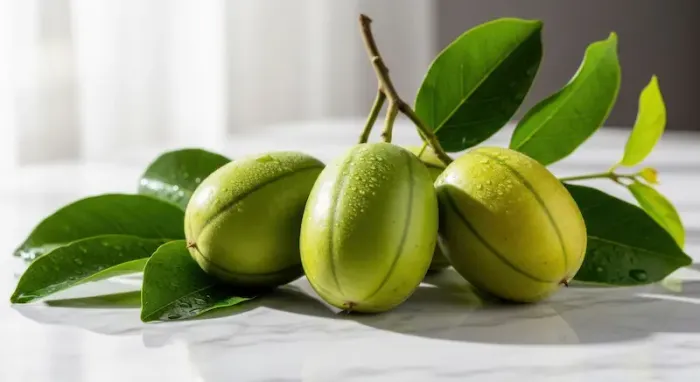
Monk fruit (Siraitia grosvenorii), also known as luo han guo, is a small green melon native to southern China. For centuries, it’s been used in traditional herbal preparations and as a sweet tea. Today, manufacturers extract the fruit’s natural sweet compounds, called mogrosides, to make a high-intensity sweetener.
Key Facts:
• Mogrosides are responsible for the intense sweetness.
• Monk fruit extract is much sweeter than sugar (often about 150–250 times, depending on purity).
• Pure monk fruit extract contains virtually no calories or carbohydrates because mogrosides are not metabolized like sugar.
• Many store-bought products blend monk fruit with other ingredients (such as erythritol, allulose, or dextrose) to add bulk, reduce cost, or improve taste. Always check the ingredient list and Nutrition Facts.
Monk Fruit Benefits
Here are the most commonly cited monk fruit benefits from reputable health organizations and reviews:
• Little to no calories and carbohydrates: Pure monk fruit sweetener provides negligible calories and carbs, which can help you reduce overall added sugar intake without sacrificing sweetness.
• Blood sugar friendly: Monk fruit extract does not appear to raise blood glucose on its own, making it a useful option for people trying to manage blood sugar. Be sure to read labels, some blends add sugars or starches that can affect blood glucose.
• Tooth-friendly: Unlike sugar, monk fruit sweeteners are not fermented by oral bacteria, so they do not contribute to tooth decay the way sugar does.
• Heat-stable: Monk fruit extract holds up well during cooking and baking, making it versatile for hot drinks, sauces, and many baked goods.
• May reduce overall calorie intake when replacing added sugar: Using low- and no-calorie sweeteners in place of added sugars can help lower daily calorie intake, especially in beverages. However, long-term benefits for weight control are mixed (see Safety & Considerations below).Consult a Top General Physician
Is Monk Fruit A Natural Sweetener And Sugar Substitute?
Monk fruit sweetener starts with a plant and is often considered a “natural sweetener.” Still, the extract is processed to isolate mogrosides, so it’s more refined than simply eating the fruit. As a sugar substitute, it can replicate sweetness in many recipes:
• Beverages: coffee, tea, smoothies, lemonade
• Breakfasts: yogurt, oatmeal, cottage cheese
• Cooking: tomato sauce, marinades, stir-fry sauces
• Baking: muffins, cookies, quick breads (see tips below)
Keep In Mind:
• High-intensity sweeteners provide sweetness, not bulk. If a recipe relies on sugar for structure, moisture, or browning, you may need a 1:1 monk fruit blend (typically mixed with erythritol or allulose) or recipe adjustments for best results.
• Taste is personal. Some people find monk fruit has a clean, pleasant sweetness; others notice a mild aftertaste. Trying small amounts first can help you decide.
How Monk Fruit Compares To Other Sweeteners?
• Versus table sugar: Sugar adds calories (about 16 calories per teaspoon), raises blood glucose, and promotes tooth decay. Monk fruit extract provides sweetness with negligible calories and does not raise blood sugar on its own.
• Versus stevia: Both come from plants and are high-intensity sweeteners. Taste profiles differ; some people prefer monk fruit, others stevia. Both are heat-stable and can be used in cooking and baking.
• Versus sugar alcohols (erythritol, xylitol): Sugar alcohols add bulk and some calories (fewer than sugar). Some people experience digestive upset from sugar alcohols in large amounts. Monk fruit extract is not a sugar alcohol, but many “1:1” monk fruit products are blended with them, so digestive effects may come from the blend, not the monk fruit itself.
• Versus artificial sweeteners (aspartame, sucralose, saccharin): These are synthesized in labs rather than extracted from plants. All approved sweeteners, including monk fruit, have undergone safety evaluations. The best choice often comes down to taste, tolerance, and how you plan to use it.
Safety, Research, And Considerations
• Regulatory status: In the United States, monk fruit sweeteners are “Generally Recognized as Safe” (GRAS) by the FDA for intended uses in foods and beverages. Other countries have similar approvals for non-sugar sweeteners used in foods.
• Blood sugar and diabetes: When pure and not mixed with caloric sweeteners, monk fruit does not raise blood glucose and can be a helpful alternative to sugar for people who need to manage diabetes or insulin resistance.
• Weight management: Replacing sugary foods and drinks with low- and no-calorie sweeteners can reduce calorie intake in the short term. However, the World Health Organization advises against relying on non-sugar sweeteners for long-term weight control because evidence for sustained benefits is limited, and there may be potential risks with high, long-term use. The most reliable approach is to reduce overall added sugar and move toward less-sweet foods over time.
• Gut health and other effects: Research on monk fruit specifically in humans is limited. Laboratory studies suggest mogrosides have antioxidant properties, but this has not been proven to translate into specific health benefits in people. More research is needed.
• Pregnancy and breastfeeding: Monk fruit sweeteners are considered acceptable within established intake limits, but human data are limited. If you are pregnant or breastfeeding, it’s reasonable to use them in moderation and discuss with your healthcare provider.
• Children: Occasional use is generally considered acceptable, but kids benefit most from learning to enjoy foods with less overall sweetness. Emphasize whole foods and water for hydration.
• Allergies and side effects: True allergies to monk fruit are rare. Pure monk fruit extract typically does not cause digestive issues; GI symptoms more often stem from added sugar alcohols in some blends. Always review labels.
How To Use Monk Fruit At Home?
• Start small: A little goes a long way. If you’re using pure extract, follow the package’s conversion chart.
• For 1:1 sugar swaps: Choose a monk fruit blend designed for baking. These products usually mix monk fruit with erythritol or allulose to match sugar’s volume.
• Adjust for texture: In baked goods that rely on sugar for moisture and browning, consider adding a small amount of applesauce, yogurt, or another bulk ingredient to improve texture.
Everyday ideas:
• Stir into coffee or tea
• Sweeten plain yogurt or oatmeal
• Blend into smoothies
• Use in vinaigrettes or marinades
• Try in homemade tomato sauce to balance acidity
Who Might Consider Monk Fruit?
Monk fruit can be a helpful sugar substitute for:
• People aiming to reduce added sugar or calories
• Individuals managing blood sugar
• Those following low-carbohydrate eating patterns
• Anyone looking for a natural sweetener option with a neutral flavor
Who Should Be Cautious?
• People sensitive to sugar alcohols (check if the product is a blend)
• Anyone who prefers to limit ultra-sweet tastes while retraining their palate to enjoy less sweetness overall
How To Choose A Quality Monk Fruit Product?
• Read the ingredient list: Look for “monk fruit extract” or “lo han guo extract.” If it’s blended, note what it’s mixed with (e.g., erythritol, allulose, dextrose).
• Check Nutrition Facts: Pure products have 0 calories, 0 g sugar, and 0 g carbs per serving; blends may differ.
• Match the use: Choose pure drops or powder for beverages and a 1:1 baking blend when you need bulk.
• Taste test: Try small amounts to find your preferred brand and form.
• Store properly: Keep tightly sealed in a cool, dry place to prevent clumping and flavor changes.
The Bottom Line
Monk fruit is a plant-derived, high-intensity sweetener that can help you cut back on added sugars. It’s heat-stable, generally recognized as safe, and has a pleasant taste for many people. The most meaningful health gains come from reducing overall added sugar and enjoying less-sweet foods over time. Used thoughtfully, monk fruit can be a helpful natural sweetener and sugar substitute in a balanced eating pattern.Consult a Top General Physician
Consult a Top General Physician

Dr. Anand Ravi
General Physician
2 Years • MBBS, FEM
Bengaluru
PRESTIGE SHANTHINIKETAN - SOCIETY CLINIC, Bengaluru

Dr. Dhanraj K
General Physician/ Internal Medicine Specialist
25 Years • MBBS, MD Internal Medicine - Osmania Medical College, Hyderabad
Hyderabad
Apollo Hospitals Jubilee Hills, Hyderabad

(450+ Patients)

Dr Syed Mateen Pasha
General Physician
2 Years • MBBS
Bengaluru
PRESTIGE SHANTHINIKETAN - SOCIETY CLINIC, Bengaluru

Dr. Vivek D
General Physician
4 Years • MBBS
Bengaluru
PRESTIGE SHANTHINIKETAN - SOCIETY CLINIC, Bengaluru

Dr. Ajay K Sinha
General Physician/ Internal Medicine Specialist
30 Years • MD, Internal Medicine
Delhi
Apollo Hospitals Indraprastha, Delhi
(225+ Patients)
Consult a Top General Physician
Dr. Anand Ravi
General Physician
2 Years • MBBS, FEM
Bengaluru
PRESTIGE SHANTHINIKETAN - SOCIETY CLINIC, Bengaluru
Dr. Dhanraj K
General Physician/ Internal Medicine Specialist
25 Years • MBBS, MD Internal Medicine - Osmania Medical College, Hyderabad
Hyderabad
Apollo Hospitals Jubilee Hills, Hyderabad
(450+ Patients)
Dr Syed Mateen Pasha
General Physician
2 Years • MBBS
Bengaluru
PRESTIGE SHANTHINIKETAN - SOCIETY CLINIC, Bengaluru
Dr. Vivek D
General Physician
4 Years • MBBS
Bengaluru
PRESTIGE SHANTHINIKETAN - SOCIETY CLINIC, Bengaluru
Dr. Ajay K Sinha
General Physician/ Internal Medicine Specialist
30 Years • MD, Internal Medicine
Delhi
Apollo Hospitals Indraprastha, Delhi
(225+ Patients)
More articles from General Medical Consultation




Frequently Asked Questions
Does monk fruit raise blood sugar?
Pure monk fruit extract does not appear to raise blood glucose and contains virtually no calories or carbohydrates. Always check labels—some products blend monk fruit with sugars or starches that can affect blood sugar.
Is monk fruit safe during pregnancy or breastfeeding?
Yes, monk fruit sweeteners are generally considered acceptable in moderation. However, human research is limited. If you are pregnant or breastfeeding, discuss sweetener use with your healthcare provider.
Can children have monk fruit?
Occasional use is considered acceptable, but it’s best to limit overall sweetness in kids’ diets and focus on whole foods, water, and milk. If choosing monk fruit products, check for added sugars or sugar alcohols.
Can I bake with monk fruit?
Yes. Pure extract is very concentrated, so follow package conversions. For recipes that rely on sugar for structure, use a 1:1 monk fruit baking blend (often mixed with erythritol or allulose) or adjust moisture and bulk to improve texture.
Are there side effects?
Most people tolerate monk fruit well. Digestive upset, when it happens, is usually due to sugar alcohols in blended products rather than monk fruit itself. Start with small amounts to see how you feel.