Managing Scars from Monkeypox
Discover effective ways to manage and reduce monkeypox scars, including skincare tips, medical treatments, and prevention of long-term skin damage after recovery.

Written by Dr. Dhankecha Mayank Dineshbhai
Reviewed by Dr. Shaik Abdul Kalam MD (Physician)
Last updated on 13th Jan, 2026
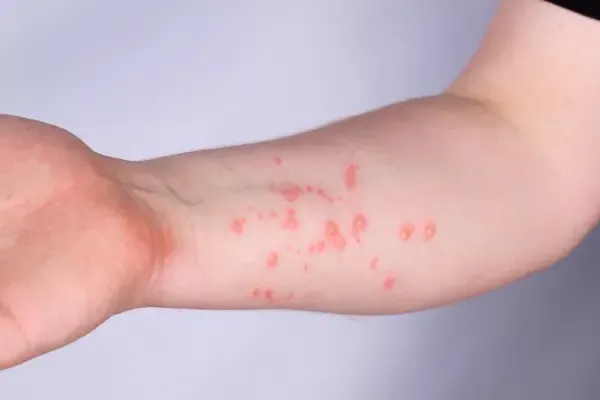
Monkeypox, a viral infection that causes painful rashes and blisters, can sometimes leave behind scars after recovery. These scars may affect your skin’s appearance and, in some cases, cause discomfort. If you or a loved one has recovered from monkeypox but are dealing with lingering scars, this guide will help you understand how to manage and improve their appearance effectively.
Understanding Monkeypox Scars
Monkeypox rashes go through different stages—starting as red spots, turning into fluid-filled blisters, and eventually forming scabs before healing. In some cases, especially if the blisters were deep or became infected, they can leave scars. These scars may appear:
- Flat and discoloured (lighter or darker than your skin tone)
- Raised or thickened (hypertrophic or keloid scars)
- Pitted or sunken (atrophic scars)
- While scars are a natural part of healing, certain steps can help minimise their appearance and improve skin texture.
Tips to Manage and Reduce Monkeypox Scars
Here are some tips to manage and reduce monkeypox scars:
1. Keep the Skin Moisturised
Dry skin can make scars look more noticeable. Using a gentle, fragrance-free moisturiser helps keep the skin hydrated and promotes healing. Look for products containing:
- Aloe vera: Soothes and hydrates the skin.
- Vitamin E: Supports skin repair (though some people may be sensitive, so patch-test first).
- Shea butter or cocoa butter: Helps soften scars over time.
2. Protect Scars from Sun Exposure
Fresh scars are more prone to darkening when exposed to sunlight. Always apply a broad-spectrum sunscreen (SPF 30 or higher) on healed scars when going outside. Wearing protective clothing (like long sleeves or hats) can also help.
Consult Top Specialists
3. Use Silicone Gel or Sheets
Silicone-based treatments are widely recommended for scar management. They help flatten raised scars and reduce redness. You can find silicone gels or adhesive sheets at pharmacies—apply them as directed for best results.
4. Gentle Massage
Massaging healed scars (once fully closed) with light pressure can improve blood flow and soften scar tissue. Use a moisturiser or oil (like coconut or almond oil) and gently massage in circular motions for a few minutes daily.
5. Over-the-Counter Treatments
Some topical treatments may help fade scars over time, such as:
- Onion extract gels (like Mederma): May reduce scar thickness.
- Hydroquinone cream (for dark scars): Helps lighten hyperpigmentation (use under medical guidance).
6. Stay Hydrated and Eat a Skin-Friendly Diet
Healthy skin starts from within. Eating foods rich in vitamins and antioxidants can support skin healing:
- Vitamin C (citrus fruits, bell peppers): Promotes collagen production.
- Zinc (nuts, seeds, lean meats): Aids wound healing.
- Protein (eggs, fish, lentils): Essential for tissue repair.
7. Avoid Picking or Scratching Scabs
During the healing phase, resist the urge to pick at scabs, as this can worsen scarring. Let them fall off naturally.
When to Seek Professional Help?
If scars are severe, painful, or affecting movement (especially near joints), consult a dermatologist. They may recommend:
- Laser therapy: Reduces redness and improves texture.
- Steroid injections: For raised or keloid scars.
- Microneedling or chemical peels: Helps with pitted scars.
- Emotional Support and Self-Care
- Scars can sometimes affect self-confidence. Remember:
- Scars fade with time: Most improve significantly within 6–12 months.
- You’re not alone: Many people have visible scars from infections, injuries, or surgeries.
- Focus on healing: Your body has fought an infection, and scars are a sign of recovery.
Need Expert Advice?
If you’re concerned about persistent scars, Apollo 24|7 offers consultations with dermatologists who can guide you on the best treatment options. You can easily book an online consultation or schedule an in-person visit through the Apollo 24|7 app or website.
Conclusion
Managing monkeypox scars takes patience, but with the right care, they can become less noticeable over time. By keeping your skin healthy, protecting it from the sun, and seeking professional advice when needed, you can support your skin’s natural healing process.
Stay positive—your skin is resilient, and every day brings it closer to recovery!
Consult Top Specialists
Consult Top Specialists

Dr Syed Mateen Pasha
General Physician
2 Years • MBBS
Bengaluru
PRESTIGE SHANTHINIKETAN - SOCIETY CLINIC, Bengaluru

Dr. Anand Ravi
General Physician
2 Years • MBBS, FEM
Bengaluru
PRESTIGE SHANTHINIKETAN - SOCIETY CLINIC, Bengaluru

Dr. Ashita Kuruvilla
General Physician/ Internal Medicine Specialist
7 Years • MBBS
East Midnapore
VIVEKANANDA SEBA SADAN, East Midnapore
Dr. Harshendra Jaiswal
General Physician/ Internal Medicine Specialist
12 Years • MBBS , MD (General medicine)
Kolkata
108 DHANA DHANVANTARI Clinic, Kolkata
(25+ Patients)
Dr. Ajay Sinha
General Physician/ Internal Medicine Specialist
31 Years • MD, Internal Medicine
Delhi
Apollo Hospitals Indraprastha, Delhi
(225+ Patients)
Consult Top Specialists
Dr Syed Mateen Pasha
General Physician
2 Years • MBBS
Bengaluru
PRESTIGE SHANTHINIKETAN - SOCIETY CLINIC, Bengaluru
Dr. Anand Ravi
General Physician
2 Years • MBBS, FEM
Bengaluru
PRESTIGE SHANTHINIKETAN - SOCIETY CLINIC, Bengaluru
Dr. Ashita Kuruvilla
General Physician/ Internal Medicine Specialist
7 Years • MBBS
East Midnapore
VIVEKANANDA SEBA SADAN, East Midnapore
Dr. Harshendra Jaiswal
General Physician/ Internal Medicine Specialist
12 Years • MBBS , MD (General medicine)
Kolkata
108 DHANA DHANVANTARI Clinic, Kolkata
(25+ Patients)
Dr. Ajay Sinha
General Physician/ Internal Medicine Specialist
31 Years • MD, Internal Medicine
Delhi
Apollo Hospitals Indraprastha, Delhi
(225+ Patients)