



Moong Dal In Ayurveda: Benefits, Nutrition & Uses
Discover moong dal benefits for digestive health and as a high protein veg. Learn Ayurveda uses, nutrition, recipes, and science-backed tips.

Written by Dr. Md Yusuf Shareef
Reviewed by Dr. Shaik Abdul Kalam MD (Physician)
Last updated on 14th Jan, 2026
Introduction
Moong dal (split mung beans) has been trusted in Indian kitchens and Ayurveda for generations. Today, science also points to meaningful moong dal benefits, from supporting digestive health to offering an affordable, high protein veg option for plant-based eaters. Whether you’re cooking simple dal, kitchari, or sprouting mung beans for salads, this humble pulse can fit into many healthy eating patterns.
What Is Moong Dal?
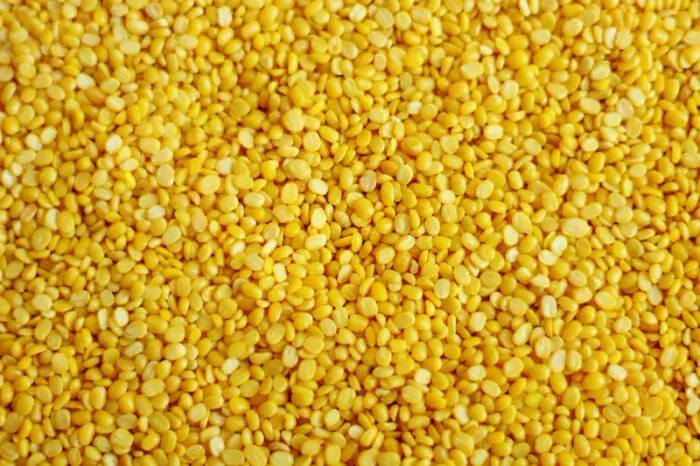
Moong dal is the split version of the mung bean (Vigna radiata). It cooks quickly, has a mild, slightly sweet flavour, and is used in dals, soups, pancakes (chilla), and porridge-like dishes.
In everyday cooking, “moong dal” often refers to the hulled yellow split mung beans. Whole green mung beans are the un-split form with the skin on.
A Quick Nutrition Snapshot (Cooked)
Exact values vary with brand and preparation, but a typical 1-cup (about 200 g) serving of cooked mung beans provides approximately:
- Calories: ~200–215
- Protein: ~14 g
- fibre: ~15 g
- Carbohydrates: ~39 g
- Folate, iron, magnesium, and potassium in notable amounts
- Source: USDA FoodData Central (for mung beans, cooked)
Why this matters: fibre supports gut health and regularity; protein helps maintain muscle; and minerals like iron, magnesium, and potassium play roles in energy, nerve, and heart function.
Moong Dal Benefits: Ayurveda Meets Modern Nutrition
In Ayurveda, moong dal is traditionally valued as gentle and nourishing. Modern nutrition research also supports many practical benefits of including legumes like mung beans in your diet.
Digestive Health: Why Is Moong Dal Gentle On The Gut?
- Naturally high in fibre: fibre adds bulk to stools, supports regular bowel movements, nourishes beneficial gut bacteria, and can help with satiety. Health authorities emphasize dietary fibre as part of a healthy diet. Mayo Clinic and Cleveland Clinic both highlight fibre’s role in digestive health and overall wellness.
- Many people find mung beans easier to digest: Soaking and thoroughly cooking legumes reduces certain carbohydrates that can cause gas. Harvard Health Publishing notes that soaking dried beans and rinsing canned beans may make them easier on digestion.
- Simple Ayurvedic-style cooking helps: Gentle spices such as cumin, ginger, turmeric, and asafoetida (hing), plus adequate cooking in water, can make moong dal softer and easier to digest. While this is a traditional approach, the general idea, well-cooked, simply seasoned, fibre-rich foods, aligns with common digestive-health advice.
High Protein Veg: Plant-Based Protein You Can Rely On
- One cup of cooked mung beans offers about 14 g of protein, impressive for a plant food. This makes moong dal a useful “high protein veg” in vegetarian and vegan meals.
- Amino acid balance: Legumes are rich in lysine but lower in methionine; grains like rice are the opposite. Eating a variety of plant foods over the course of the day provides all essential amino acids. Harvard T.H. Chan School of Public Health emphasizes that you don’t need to combine “complementary proteins” in the same meal to meet protein needs.
Consult a Top General Physician
Heart And Metabolic Support
- Heart health: Regularly eating beans and legumes is associated with better heart health markers, including improved cholesterol profiles, according to Harvard Health Publishing. Replacing more processed or red meats with legumes can support cardiovascular health within an overall balanced diet.
- Blood sugar steadiness: Legumes generally have a low glycemic index and are linked with more stable post-meal blood sugar compared with many refined carbohydrates. This can support energy and appetite control when moong dal replaces lower-fibre, refined grain options.
- Weight management: fibre and protein together help you feel full and satisfied, which can support healthy weight goals alongside other lifestyle habits.
Key Nutrients In Moong Dal And What They Do
- Folate: Important for cell growth and forming red blood cells. Adequate folate is critical in pregnancy to support fetal development.
- Iron: Assists oxygen transport in the blood. Plant-based iron is better absorbed with vitamin C–rich foods (like lemon or tomatoes).
- Magnesium: Contributes to muscle and nerve function, energy production, and bone health.
- Potassium: Helps maintain normal blood pressure and fluid balance.
Moong dal provides meaningful amounts of these nutrients; pairing it with vegetables, herbs, and healthy fats builds a nutrient-dense, satisfying meal.
Moong Dal In Ayurveda: A Simple, Soothing Staple
- Traditional view: In Ayurveda-informed cooking, moong dal is often considered light and gentle, and it’s a key ingredient in kitchari, a soft, one-pot dish of rice, dal, and spices.
- Practical takeaway: Soft textures, warm temperatures, and digestive spices are common in Ayurvedic recipes and may be easier to tolerate for some people compared with heavier or highly processed meals.
How To Choose, Prepare, And Cook Moong Dal?
Shopping
- Dal options: Yellow moong dal (split and hulled) cooks fastest. Whole green mung beans retain the skin and take longer to cook.
- Convenience: Canned or pre-cooked options are fine. Rinse well to reduce sodium.
Prepping For Better Digestive Health
- Soak: If using dried beans, soaking for a few hours (or overnight) and discarding the soaking water can help reduce certain gas-forming carbohydrates.
- Rinse: Wash dal well before cooking.
- Cook thoroughly: Simmer until soft. Pressure cookers or Instant Pots speed up the process.
Flavour And Digestibility Boosters
- Spices: Cumin, coriander, turmeric, ginger, black pepper, and asafoetida (hing) are classic choices.
- Aromatics: Onion, garlic, and tomatoes add depth; use as tolerated.
- Acids and herbs: Finish with lemon or lime and fresh cilantro to brighten flavor and support iron absorption.
Easy Ways To Use Moong Dal
- Everyday dal: Simmer soaked dal with turmeric and salt; temper (tadka) with cumin, mustard seeds, garlic, and chilli in a little oil or ghee; pour over and garnish with cilantro.
- Kitchari: Cook equal parts moong dal and rice with mild spices and plenty of water for a soft, porridge-like bowl, great when you want something gentle.
- Soups and stews: Add vegetables like spinach, carrots, zucchini, or bottle gourd for a fibre-rich, filling meal.
- Moong chilla (savoury pancakes): Blend soaked moong dal with ginger, chillies, and spices; cook like a pancake on a skillet. Add grated veggies for extra nutrition.
- Sprouted mung beans: Add to salads or stir-fries. For food safety, cook sprouts thoroughly if you are pregnant, older, immunocompromised, or serving them to young children (CDC guidance).
Portions And Meal Ideas
- A common cooked serving of legumes is about 1/2 to 1 cup, depending on your appetite and total meal composition.
- Build balanced plates: Pair moong dal with whole grains (brown rice, millet, whole-wheat roti), a variety of vegetables, herbs, and a source of healthy fat (olive oil, sesame oil, or a small amount of ghee).
Who Might Want Extra Guidance?
The people who may need extra guidance include:
- Gas or bloating: If beans commonly cause discomfort, try smaller portions, more soaking, very thorough cooking, and gentle spices. Rinse canned beans well. If you have a digestive condition, speak with a healthcare professional or dietitian about personalised strategies.
- Allergies: Legume allergies are possible (e.g., peanut, soy). If you suspect a reaction to mung beans, seek medical advice.
- Sprouts' safety: Raw sprouts can carry harmful bacteria. CDC advises cooking sprouts thoroughly for people at higher risk of foodborne illness.
Putting It Together: Practical Moong Dal Benefits
- Digestive health: fibre and gentle cooking methods support regularity and comfort.
- High protein veg: Helps you meet protein needs, especially in vegetarian and vegan diets.
- Heart-smart and steady energy: Linked with healthier cholesterol and steadier blood sugar within an overall balanced eating pattern.
- Budget-friendly and versatile: Affordable, shelf-stable, and easy to use in many recipes.
Consult a Top General Physician
Consult a Top General Physician

Dr. Anand Ravi
General Physician
2 Years • MBBS, FEM
Bengaluru
PRESTIGE SHANTHINIKETAN - SOCIETY CLINIC, Bengaluru

Dr. Vivek D
General Physician
4 Years • MBBS
Bengaluru
PRESTIGE SHANTHINIKETAN - SOCIETY CLINIC, Bengaluru

Dr P Sai Avinash
General Physician/ Internal Medicine Specialist
7 Years • MBBS
Bengaluru
Apollo Medical Center, Marathahalli, Bengaluru

Dr Syed Mateen Pasha
General Physician
2 Years • MBBS
Bengaluru
PRESTIGE SHANTHINIKETAN - SOCIETY CLINIC, Bengaluru

Dr. Dhanraj K
General Physician/ Internal Medicine Specialist
25 Years • MBBS, MD Internal Medicine - Osmania Medical College, Hyderabad
Hyderabad
Apollo Hospitals Jubilee Hills, Hyderabad

(450+ Patients)
Consult a Top General Physician
Dr. Anand Ravi
General Physician
2 Years • MBBS, FEM
Bengaluru
PRESTIGE SHANTHINIKETAN - SOCIETY CLINIC, Bengaluru
Dr. Vivek D
General Physician
4 Years • MBBS
Bengaluru
PRESTIGE SHANTHINIKETAN - SOCIETY CLINIC, Bengaluru
Dr P Sai Avinash
General Physician/ Internal Medicine Specialist
7 Years • MBBS
Bengaluru
Apollo Medical Center, Marathahalli, Bengaluru
Dr Syed Mateen Pasha
General Physician
2 Years • MBBS
Bengaluru
PRESTIGE SHANTHINIKETAN - SOCIETY CLINIC, Bengaluru
Dr. Dhanraj K
General Physician/ Internal Medicine Specialist
25 Years • MBBS, MD Internal Medicine - Osmania Medical College, Hyderabad
Hyderabad
Apollo Hospitals Jubilee Hills, Hyderabad
(450+ Patients)
More articles from General Medical Consultation

Frequently Asked Questions
1. Is moong dal good for weight loss?
Moong dal can support weight goals because it’s high in fibre and protein, which help you feel full and satisfied. Enjoy it in place of more refined, lower-fibre foods, alongside vegetables, whole grains, and regular physical activity.
2. Is moong dal really a high-protein veg?
Yes. One cup of cooked mung beans provides roughly 14 grams of protein, which is high for a plant food. Combine a variety of plant proteins across the day to meet amino acid needs.
3. How does moong dal support digestive health?
Its fibre supports regularity and a healthy gut environment. Soaking and thoroughly cooking can make it easier to digest. Using gentle spices and eating it warm and soft (like dal or kitchari) may also help.
4. Can people with diabetes eat moong dal?
Legumes generally have a low glycemic index and are associated with steadier post-meal blood sugar compared with many refined carbs. Moong dal can be part of a balanced diabetes-friendly plate, paired with non-starchy vegetables, whole grains in modest portions, and healthy fats. If you use insulin or diabetes medications, monitor your blood sugar and follow your care team’s advice.
5. What’s the difference between whole mung beans and moong dal? Which is better?
Whole mung beans are the intact green beans with the skin; moong dal is the split (often hulled) version that cooks faster and is softer. Both are nutritious. Choose based on your time, texture preference, and recipe. If you’re sensitive to gas, the split, well-cooked dal may be gentler.