


Neem In Ayurveda: Benefits & Risks
Learn how neem is used in Ayurveda, what science says about its benefits, and the real risks. Get safe use tips, FAQs, and trusted medical references.

Introduction
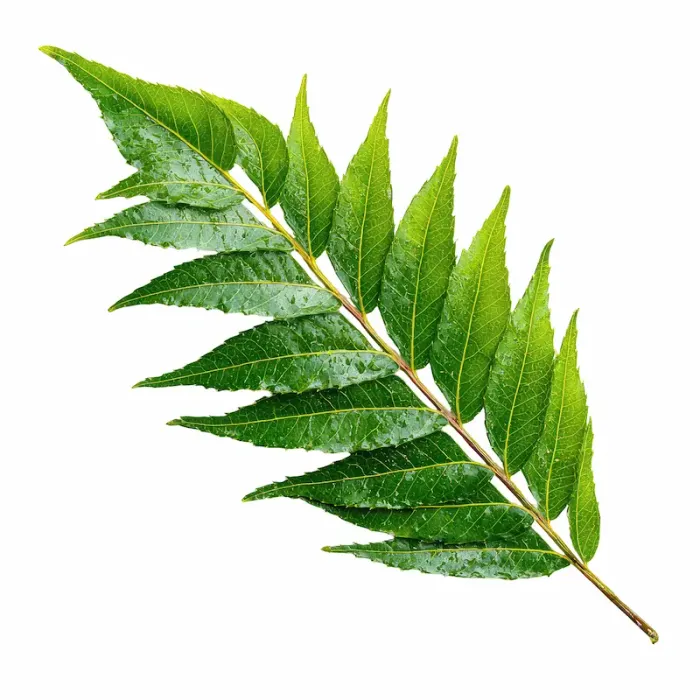
Neem (Azadirachta indica) has been valued for centuries in traditional Indian medicine. In neem Ayurveda practices, its leaves, bark, and oil are used for skin, teeth, and general wellness. Today, many people are curious whether those traditional uses match modern scientific evidence, and how to use neem safely. This guide explains potential benefits, clearly lays out risks, and shares practical safety tips backed by credible health sources.
What Is Neem? A Quick Look Through Ayurveda And Science
- The neem tree is native to the Indian subcontinent. Traditional Ayurveda describes neem as cooling and bitter, used for cleansing and skin health.
- Common forms include leaf powder, extracts, toothpaste, or mouthwash containing neem, and neem seed oil for topical use.
- Modern research has identified compounds in neem with antimicrobial and anti-inflammatory activity in laboratory studies. However, human studies are limited, and safety varies by form and dose.
Potential Benefits Of Neem: What Does Science Suggest?
Important note: Most research on neem is preliminary, small in size, or laboratory-based. Neem is not approved to diagnose, treat, or cure diseases. Use it, if at all, as a complement, not a replacement, for proven care.
Oral And Dental Health
- Traditional use: Chewing neem twigs and using neem-based mouth rinses.
- What research suggests: Some small, short-term clinical studies suggest neem-containing toothpastes or mouthwashes may help reduce dental plaque and gingivitis when used with regular brushing and flossing.
- Practical tip: If you’re interested in neem for oral care, look for commercial products formulated for dental use and keep up proven basics: fluoride toothpaste, flossing, and regular dental visits.
Skin And Scalp Care
- Traditional use: Neem paste or oil for acne, eczema, and dandruff.
- What research suggests: Neem shows antibacterial and antifungal activity in lab studies. Limited clinical evidence suggests neem-containing products may help mild skin issues or dandruff for some people.
- Safety note: Neem oil can irritate skin. Always do a small patch test. Do not swallow neem oil; it can be toxic.
Insect Repellent
- Traditional use: Neem oil as a mosquito repellent.
- What research suggests: Neem oil can repel insects to some extent, but results are variable. For reliable protection against mosquitoes and related illnesses, health authorities recommend EPA-registered repellents such as DEET, picaridin, IR3535, or oil of lemon eucalyptus.
- Practical tip: If you choose to use neem oil outdoors, consider it an add-on, not a substitute, for proven repellents.
Blood Sugar And Metabolic Support
- Traditional use: Neem preparations for “cleansing” and metabolic balance.
- What research suggests: Some early studies suggest neem may lower blood sugar. This can be risky if you take diabetes medications because it may increase the chance of low blood sugar.
- Practical tip: Do not use neem to replace diabetes medications or lifestyle treatment. If you have diabetes and are considering neem, talk to your healthcare provider and monitor blood glucose closely.
Other Claimed Benefits And Evidence Gaps
- Claims for liver detox, ulcers, cancer, fertility, or immune boosting are common online. High-quality human research is lacking for these outcomes.
- Bottom line: Be cautious with big claims. Discuss any supplement with your clinician, and rely on established treatments first.
Consult a Top General Physician
Risks And Side Effects: Read This Before You Use Neem
While neem is “natural,” it is not risk-free. Risks depend on the form (leaf, bark, oil), route (topical vs oral), dose, and who uses it.
Common Side Effects
- Stomach upset, nausea, or diarrhea (when taken by mouth)
- Skin irritation or allergic rash (with topical use)
Serious Risks (Especially With Neem Oil Ingestion)
- Toxicity has been reported after swallowing neem oil, particularly in infants and young children. Symptoms can include vomiting, lethargy, seizures, and in severe cases, life-threatening complications. Never give neem oil by mouth to children and never ingest neem oil yourself.
- Liver concerns: There are case reports of liver injury linked to neem supplements. Stop use and seek medical care if you develop symptoms such as yellowing of the skin or eyes, dark urine, severe fatigue, or abdominal pain.
Who Should Avoid Neem?
- Pregnancy: Avoid. Neem taken by mouth has been associated with miscarriage in animal and human reports. Topical use in pregnancy is also best avoided due to limited safety data.
- Breastfeeding: Avoid, due to insufficient safety data.
- Infants and children: Do not give neem oil by mouth. Avoid oral neem products in young children unless specifically advised by a pediatric clinician.
- Liver or kidney disease: Avoid oral neem; discuss any use with your healthcare provider.
- Autoimmune conditions or organ transplant recipients: Neem may affect immune activity; discuss with your specialist before any use.
- People taking certain medicines: See interactions below.
Possible Medicine And Lab Interactions
- Diabetes medications: Neem may lower blood sugar, increasing the risk of hypoglycemia. Monitor closely and talk to your clinician.
- Lithium: Neem may reduce the body’s ability to clear lithium, potentially raising levels. This combination needs medical supervision or avoidance.
- Immunosuppressants: Theoretical interaction due to potential immune effects, avoid unless cleared by your specialist.
- Lab tests: Supplements can sometimes affect lab results. Tell your healthcare team about any herbs you use.
Safe Use Tips If You Choose To Try Neem
- Talk to your clinician first, especially if you have a medical condition, take prescription medicines, are pregnant, or are planning surgery.
- Prefer topical over oral use for general skin or scalp concerns. Do a patch test: apply a small amount to the inner forearm and wait 24 hours.
- Never ingest neem oil. For topical use, dilute properly (for example, a few drops of neem oil in a carrier oil) to lower the risk of irritation.
- Avoid use in infants, children, pregnancy, and breastfeeding.
- Start low and go slow. Stop immediately if you notice side effects.
- Choose quality products. Look for brands that share exact ingredients, concentrations, and third-party testing. Herbal supplements vary widely in strength and purity.
- Do not rely on neem for serious conditions. Use proven medical care as your foundation.
Neem In Ayurveda Vs Modern Medicine: Finding Balance
Ayurveda views neem as a cleansing, cooling herb that can support skin and oral health. Modern research has begun to explore these traditional uses, but evidence in humans remains limited and mixed. A balanced approach respects traditional knowledge while prioritizing well-established medical advice, safety, and high-quality research. If neem fits your wellness routine, use it thoughtfully and in consultation with your clinician.
Practical Ways People Use Neem Today
- Oral care: Toothpaste or mouthwash containing neem as part of daily brushing and flossing.
- Skin: Diluted neem oil or neem-containing creams for occasional spot use on mild skin concerns (after patch testing).
- Hair and scalp: Shampoos that include neem extract for dandruff, alongside standard dandruff treatments.
- Gardening: Neem oil as a plant pesticide. Remember, gardening-grade products are not for human ingestion or skin application.
When To Seek Medical Help?
- After ingesting neem oil (yourself or a child), seek urgent medical care, even if symptoms seem mild at first.
- Signs of an allergic reaction: hives, swelling, trouble breathing.
- Signs of liver trouble: yellowing of the eyes/skin, dark urine, light-colored stools, severe fatigue, persistent nausea.
- Severe or persistent rash, eye irritation, or any concerning symptoms after topical use.
Consult a Top General Physician
Consult a Top General Physician

Dr. Dhanraj K
General Physician/ Internal Medicine Specialist
25 Years • MBBS, MD Internal Medicine - Osmania Medical College, Hyderabad
Hyderabad
Apollo Hospitals Jubilee Hills, Hyderabad

(450+ Patients)

Dr. Swarna Deepak K
General Physician/ Internal Medicine Specialist
20 Years • MBBS: MD (Internal Medicine) MRCP (UK), EDIC (European Diploma in Critical Care), IDCCM, IFCCM (Critical Care), FID (Royal Liverpool Academy)
Hyderabad
Apollo Hospitals Jubilee Hills, Hyderabad
(450+ Patients)

Dr Bhargav Vuppumalla
General Physician/ Internal Medicine Specialist
5 Years • MBBS MD GENERAL MEDICINE
Bengaluru
Apollo Medical Center, Marathahalli, Bengaluru

Dr P Sai Avinash
General Physician/ Internal Medicine Specialist
7 Years • MBBS
Bengaluru
Apollo Medical Center, Marathahalli, Bengaluru

Dr. Vivek D
General Physician
4 Years • MBBS
Bengaluru
PRESTIGE SHANTHINIKETAN - SOCIETY CLINIC, Bengaluru
Consult a Top General Physician
Dr. Dhanraj K
General Physician/ Internal Medicine Specialist
25 Years • MBBS, MD Internal Medicine - Osmania Medical College, Hyderabad
Hyderabad
Apollo Hospitals Jubilee Hills, Hyderabad
(450+ Patients)
Dr. Swarna Deepak K
General Physician/ Internal Medicine Specialist
20 Years • MBBS: MD (Internal Medicine) MRCP (UK), EDIC (European Diploma in Critical Care), IDCCM, IFCCM (Critical Care), FID (Royal Liverpool Academy)
Hyderabad
Apollo Hospitals Jubilee Hills, Hyderabad
(450+ Patients)
Dr Bhargav Vuppumalla
General Physician/ Internal Medicine Specialist
5 Years • MBBS MD GENERAL MEDICINE
Bengaluru
Apollo Medical Center, Marathahalli, Bengaluru
Dr P Sai Avinash
General Physician/ Internal Medicine Specialist
7 Years • MBBS
Bengaluru
Apollo Medical Center, Marathahalli, Bengaluru
Dr. Vivek D
General Physician
4 Years • MBBS
Bengaluru
PRESTIGE SHANTHINIKETAN - SOCIETY CLINIC, Bengaluru
More articles from General Medical Consultation





Frequently Asked Questions
1. Is neem safe to take every day?
There’s no standard, proven safe daily dose for oral neem. Because of possible side effects and interactions (including liver concerns and low blood sugar), daily oral use is not recommended without guidance from a healthcare professional. Topical use can still irritate skin, so patch test first.
2. Can I use neem oil on my face?
Possibly, but use with care. Neem oil is strong and can cause irritation or allergic reactions. Always dilute it in a carrier oil, patch test first, avoid the eyes and mouth, and stop if you notice redness or burning. Do not swallow neem oil.
3. Is neem safe during pregnancy or breastfeeding?
Avoid neem in pregnancy and while breastfeeding. Oral neem has been associated with miscarriage, and safety data are insufficient for topical use in these groups.
4. Does neem prevent mosquito-borne diseases?
Neem oil may repel some insects, but its effectiveness is inconsistent. For reliable protection against mosquito bites and illnesses like West Nile or dengue, use an EPA-registered repellent such as DEET, picaridin, IR3535, or oil of lemon eucalyptus, wear protective clothing, and follow public health guidance.
5. Can neem cure acne, COVID-19, or cancer?
No. There is no high-quality evidence that neem cures acne, COVID-19, cancer, or other serious illnesses. Some people find neem-containing products helpful for mild skin issues, but they should not replace proven treatments. Always discuss care plans with your clinician.