


White Radish Nutrition Facts And Health Benefits
Explore white radish benefits and mooli nutrition: calories, vitamins, fibre, and how this crunchy root supports digestion, hydration, and heart health.

Written by Dr. Md Yusuf Shareef
Reviewed by Dr. Shaik Abdul Kalam MD (Physician)
Last updated on 13th Jan, 2026
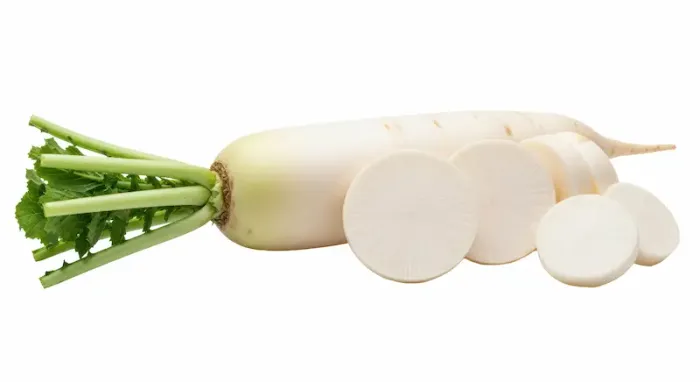
Introduction
White radish (also called daikon or mooli) is a crunchy, mildly peppery root often used in Asian and Indian cooking. If you’re curious about white radish benefits or want a simple guide to mooli nutrition, you’re in the right place. This low-calorie, water-rich vegetable offers vitamin C, fibre, and potassium - nutrients that can support digestion, hydration, and heart-healthy eating when included as part of a balanced diet.
Mooli Nutrition:
Here’s a quick snapshot of its nutrition.
White radish is naturally low in calories and high in water, with small amounts of important micronutrients.
Typical nutrition snapshot for raw white radish:
- Per 1 cup sliced (~120 g):
- Calories: about 20
- Carbohydrates: about 4 g
- Fibre: about 2 g
- Protein: less than 1 g
- Fat: virtually none
- Water: roughly 95%
- Notable nutrients:
- Vitamin C (a meaningful amount for immune function and skin health)
- Potassium (supports normal fluid balance and healthy blood pressure as part of a balanced diet)
- Folate (small amounts)
- Other minerals (small amounts of calcium and magnesium)
Values can vary slightly by variety and growing conditions. For precise numbers, check the USDA FoodData Central entry for raw oriental (daikon) radish.
Benefits of White Radish
White radish benefits come from its nutrient profile and how it can help you build healthy, balanced meals. Let’s have a look at them:
Hydration and weight-friendly volume
- Very high water content helps with hydration.
- Low calorie density means you can enjoy a generous portion for few calories, which may help with weight management when paired with overall healthy habits.
- Crunchy texture adds satisfying volume to meals.
Vitamin C for immune support and skin
- White radish provides vitamin C, which supports immune function and helps your body make collagen, a protein important for skin, bones, and wound healing.
- Eating a variety of fruits and vegetables rich in vitamin C is linked with overall health benefits.
Fibre for digestion and gut health
- The fibre in mooli supports regular bowel movements and helps keep you full longer.
- Meeting daily fibre needs is associated with better digestive health, healthier cholesterol levels, and reduced risk of several chronic conditions.
- For most adults, aiming for a variety of fibre-rich foods (vegetables, fruits, whole grains, legumes) is beneficial.
Potassium to support healthy blood pressure
- Potassium helps counter the effects of sodium and supports normal blood pressure.
- Including potassium-rich produce like white radish in a balanced eating pattern can contribute to heart-healthy habits.
- If you have kidney disease or are on potassium-restricted diets, follow your clinician’s guidance.
Plant compounds in cruciferous vegetables
- Radishes are part of the cruciferous vegetable family (along with broccoli, cabbage, and kale).
- These vegetables naturally contain glucosinolates, which can break down into bioactive compounds such as isothiocyanates.
- Research suggests including a variety of cruciferous vegetables may support overall health; enjoy them as part of a varied, plant-forward diet.
Consult Top Specialists Here
How to Enjoy White Radish?
Let’s look at simple ways to add it to meals:
Raw
- Slice into salads or slaws for fresh crunch.
- Cut into sticks for snacks with hummus, yoghurt dip, or guacamole.
- Grate into wraps, tacos, or rice bowls for a crisp, peppery bite.
Cooked
- Add to soups, stews, and curries; it becomes tender and slightly sweet.
- Stir-fry with carrots, bell peppers, and lean protein.
- Roast with a drizzle of olive oil, garlic, and herbs until lightly caramelised.
Fermented or pickled
- Quick-pickle with vinegar, a touch of sugar, and spices for a zesty side.
- Enjoy in kimchi or other fermented dishes. Note: fermented and pickled versions can be high in sodium—balance with lower-sodium foods.
Budget and Meal Prep Tips
Here’s how to make the most of mooli in your kitchen:
- Peel only if the skin is tough; many varieties can be scrubbed and eaten with skin for extra fibre.
- Use a mandolin for thin slices that soak up dressings and marinades.
- Batch-prep grated mooli and store in an airtight container for 2–3 days to add to salads and bowls.
Buying, Storing, and Prep Tips
Let’s go over the basics of selecting and storing mooli.
- Choosing: look for firm, heavy roots with smooth skin and minimal blemishes; avoid soft spots or cracks.
- If greens are attached: choose perky, bright greens (great for cooking; see note in Safety section).
- Storing: refrigerate unwashed roots in a breathable bag or wrapped in paper towels for up to 1–2 weeks. Store greens separately and use within a few days.
- Prepping: wash under running water and scrub; peel if desired; cut just before serving for best crunch.
Special Note on the Greens
Here’s what to know about the edible leaves:
- Radish greens are edible and nutritious. They are more bitter than the root and taste great sautéed, blended into pesto, or added to soups.
Safety, Side Effects and who Should be Cautious
Let’s highlight safety considerations you should keep in mind:
- Gas or stomach upset: Like other high-fibre or cruciferous vegetables, large amounts of raw radish may cause gas or mild GI discomfort in some people. Introduce gradually and drink water.
- Thyroid considerations: Cruciferous vegetables contain natural compounds (goitrogens) that can interfere with thyroid function when eaten in very large amounts, especially if iodine intake is insufficient. Normal food amounts are generally safe for most people; cooking reduces goitrogen content. If you have thyroid disease, follow your healthcare provider’s advice.
- Blood thinners: Radish greens (not the white root) contain vitamin K, which can affect how warfarin works. If you take warfarin, keep vitamin K intake consistent and follow medical guidance.
- Sodium in pickles: Pickled and fermented radish can be high in sodium. If you’re watching blood pressure or sodium intake, enjoy smaller portions and balance with lower-sodium foods.
- Food safety: Wash radishes under clean, running water before eating or cutting. Keep cut radish refrigerated and use within a few days.
Conclusion
Mooli nutrition makes white radish a smart, budget-friendly addition to everyday meals. Build your plate around a variety of colourful vegetables, lean proteins, whole grains, and healthy fats - and use white radish for crunch, hydration, and extra fibre. When it comes to white radish benefits, consistency matters: enjoy it regularly in ways you love and that fit your overall dietary needs.
Consult Top Specialists Here
Consult Top Specialists Here

Ms. Neelanjana J
Dietician
5 Years • Bsc., Msc. Nutrition and Dietetics specialised general weight management, PCOS/PCOD weight loss and Diabetes management. A clinical dietitian with 4+ year experience specializing in evidence-based, result-oriented nutrition therapy. I have extensive experience in weight loss, thyroid management, PCOD/PCOS, weight gain, and diabetes & prediabetes care. My approach is personalized, practical, and sustainable—focusing on helping individuals achieve long-term lifestyle change rather than quick fixes. I work closely with clients to understand their medical history, lifestyle, and goals, and then design customized diet plans that support hormonal balance, metabolic health, and overall wellbeing. My goal is to make nutrition simple, realistic, and effective—so you see measurable results and feel your healthiest self.Auther in Health benefits of jackfruit (Artocarpus heterophyllus Lam.) seeds: A review (2023) The Pharma Innovation Journal Co- Auther in Malnutrition in Women: A review (2023) The Pharma Innovation Journal. Highfield Level 3 in HACCP. Highfield Level 4 International Award in Food Safety Managment
Bengaluru
Apollo Clinic, JP nagar, Bengaluru

Ms. Soma Saha
clinical nutrition
17 Years • B.Sc. - Home Science (Food & Nutrition), M.Sc. - Home Science (Food & Nutrition)
Kolkata
Dr Utsa Basu Clinic, Kolkata

(50+ Patients)

Ms. Sreeparna Dey Dhara Deb
Dietician
10 Years • DNHE
Bansdroni
Siddhita Healthcare., Bansdroni

Ms Manisha Patil
Dietician
25 Years • B.A.S.M., M Sc Food & Science and Nutrition , ADND. CCHA . PGDHM
Pune
Apollo Clinic, Nigdi, Pune

Ms. Priyanka Saini
Dietician
9 Years • Msc (Food & Nutrition),NDEP
Ghaziabad
Dr. PRIYANKA SAINI'S CLINIC, Ghaziabad
Consult Top Specialists Here
Ms. Neelanjana J
Dietician
5 Years • Bsc., Msc. Nutrition and Dietetics specialised general weight management, PCOS/PCOD weight loss and Diabetes management. A clinical dietitian with 4+ year experience specializing in evidence-based, result-oriented nutrition therapy. I have extensive experience in weight loss, thyroid management, PCOD/PCOS, weight gain, and diabetes & prediabetes care. My approach is personalized, practical, and sustainable—focusing on helping individuals achieve long-term lifestyle change rather than quick fixes. I work closely with clients to understand their medical history, lifestyle, and goals, and then design customized diet plans that support hormonal balance, metabolic health, and overall wellbeing. My goal is to make nutrition simple, realistic, and effective—so you see measurable results and feel your healthiest self.Auther in Health benefits of jackfruit (Artocarpus heterophyllus Lam.) seeds: A review (2023) The Pharma Innovation Journal Co- Auther in Malnutrition in Women: A review (2023) The Pharma Innovation Journal. Highfield Level 3 in HACCP. Highfield Level 4 International Award in Food Safety Managment
Bengaluru
Apollo Clinic, JP nagar, Bengaluru
Ms. Soma Saha
clinical nutrition
17 Years • B.Sc. - Home Science (Food & Nutrition), M.Sc. - Home Science (Food & Nutrition)
Kolkata
Dr Utsa Basu Clinic, Kolkata
(50+ Patients)
Ms. Sreeparna Dey Dhara Deb
Dietician
10 Years • DNHE
Bansdroni
Siddhita Healthcare., Bansdroni
Ms Manisha Patil
Dietician
25 Years • B.A.S.M., M Sc Food & Science and Nutrition , ADND. CCHA . PGDHM
Pune
Apollo Clinic, Nigdi, Pune
Ms. Priyanka Saini
Dietician
9 Years • Msc (Food & Nutrition),NDEP
Ghaziabad
Dr. PRIYANKA SAINI'S CLINIC, Ghaziabad
More articles from General Medical Consultation




.webp)
Frequently Asked Questions
1) What are the top white radish benefits?
Hydration from its high water content, gentle fibre for digestion, vitamin C for immune and skin support, and potassium to help maintain healthy blood pressure as part of a balanced diet. Its low calorie density also makes it great for weight-friendly meals.
2) Is mooli nutrition different from red radish nutrition?
They’re quite similar: both are low in calories, high in water, and provide vitamin C and fibre. White radish (daikon/mooli) is usually larger, milder, and slightly less peppery. Exact nutrient amounts vary by variety and growing conditions.
3) Can I eat white radish every day?
For most healthy adults, yes - enjoying a variety of vegetables daily is encouraged. If you’re new to high-fibre foods, increase portions gradually and drink water. People with specific conditions (e.g., thyroid disease, kidney disease, those on warfarin) should follow individualised medical advice.
4) Are radish greens safe and nutritious to eat?
Yes. Radish greens are edible and provide vitamins, minerals, and fibre. Sauté, steam, add to soups, or blend into pesto. If you take warfarin, maintain a consistent intake of vitamin K and consult your healthcare provider.
5) What’s the best way to cook white radish without losing nutrients?
Use quick-cook methods (stir-frying, steaming, light roasting) and avoid overcooking to preserve texture and vitamin C. Pair with a vitamin C–rich sauce or eat some radish raw for a mix of textures and nutrients.