


Oat Milk in Ayurveda: Modern Nutrition Meets Traditional Wisdom
Oat milk in Ayurveda: benefits, dosha tips, nutrition, and safe use. Evidence-based, simple guidance to help you choose and enjoy oat milk wisely.

Written by Dr. Vasanthasree Nair
Reviewed by Dr. Rohinipriyanka Pondugula MBBS
Last updated on 14th Jan, 2026
Introduction
Plant-based milks are everywhere, and oat milk sits near the top for taste and creamy texture. If you’re curious about how it fits into a holistic lifestyle, you might be searching for “oat milk ayurveda” guidance. While oat milk itself is modern and not described in classical Ayurvedic texts, we can still apply Ayurvedic principles to it—and balance those insights with current nutrition science. This article explains how to choose and use oat milk in a way that supports digestion, aligns with dosha tendencies, and meets your health goals, using trusted medical sources for nutrition facts and safety.
Consult a Top Ayurveda Doctor for Personalised Advice
What is Oat Milk?
Let us know what oat milk is and its key ingredients:
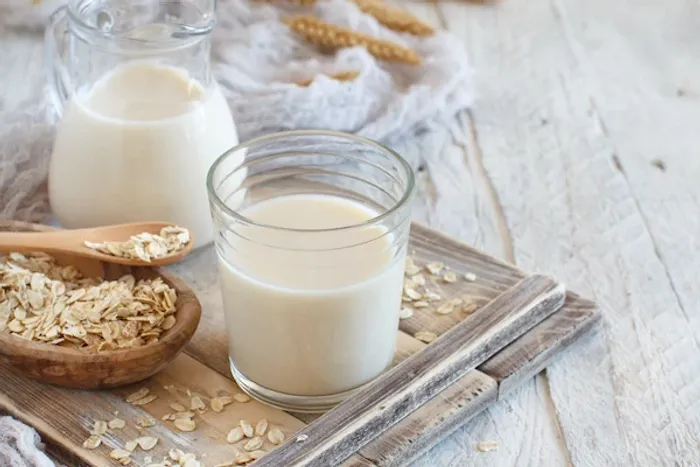
- What it is: Oat milk is made by soaking and blending oats with water, then straining. Many store-bought versions are fortified with calcium, vitamin D, vitamin B12, and sometimes vitamin A.
- Taste and texture: Naturally mild and slightly sweet, with a creamy mouthfeel that works well in coffee, tea, cereal, and smoothies.
Key nutrients:
- Carbohydrates: Higher than many other plant milks, since oats are a grain.
- Fibre: Oats contain soluble fibre (beta-glucan), which can help support healthy cholesterol levels as part of a balanced diet. Oat milk may retain some beta-glucan, but the amount varies by brand and processing.
- Protein: Typically lower than dairy milk and soy milk. If you need more protein, compare labels or consider soy or dairy.
- Micronutrients: Fortified versions can provide calcium and vitamin D comparable to dairy milk. Always check the label.
Pointers to Keep in Mind:
Points to remember include:
- Choose unsweetened: Many oat milks are sweetened. Added sugars can increase calorie intake without adding nutrients. Choosing unsweetened options helps limit added sugar.
- Look for fortification: For daily use, pick oat milk fortified with calcium and vitamin D to support bone health.
- Check carbs and protein: If you have diabetes or you track macros, compare carbohydrate and protein per serving. Unsweetened options are often the best fit for blood sugar management.
- Allergies and intolerances: Oat milk is naturally lactose-free and dairy-free. Oats are naturally gluten-free, but cross-contact with gluten can occur. If you have celiac disease or gluten sensitivity, choose certified gluten-free oat milk.
How Does Ayurveda Evaluate Oat Milk?
Ayurveda classifies foods by qualities (guna), taste (rasa), post-digestive effect (vipaka), and energetic effect (virya). Although oat milk isn’t discussed in classical texts, the framework can still guide your choices.
- Likely qualities: Oats are generally considered sweet (madhura rasa), grounding, and somewhat heavy. Turning oats into milk may make them feel lighter and easier to digest for some people.
Dosha lens: - Vata: The naturally sweet, soft, and soothing quality of warm oat milk can be calming. Adding warming spices (like ginger or cinnamon) may support comfort and digestion.
- Pitta: Plain, room-temperature or lightly warm oat milk can feel cooling. Choose unsweetened and avoid very spicy add-ins if you run warm.
- Kapha: Because sweet, heavier foods can increase kapha, enjoy oat milk in smaller amounts and with warming, stimulating spices (ginger, black pepper, cinnamon). Choose unsweetened and serve warm rather than cold.
Important note: These are general Ayurvedic tendencies. Your digestion and health conditions matter more than any single “rule.” Always adjust based on how you feel and what your clinician advises.
Ayurvedic & Modern Views on Benefits & Caution
The benefits and cautions of oat milk include:
Potential benefits
- Gentle on digestion for many: Warm, lightly spiced oat milk can feel soothing, especially in cooler weather or for vata-predominant individuals.
- Dairy-free and lactose-free: A practical option for people with lactose intolerance or cow’s milk allergy. If you have a milk allergy, ensure you choose a product with no dairy cross-contact.
- Heart-friendly eating pattern: Oats contain soluble fibre (beta-glucan) linked with supporting healthy LDL cholesterol levels when eaten as part of an overall heart-healthy diet. Oat milk may retain some of this fibre, though amounts vary—check brands and nutrition labels.
- Fortification can support daily needs: Fortified oat milk can help you meet daily calcium and vitamin D targets if you do not consume dairy.
Cautions
- Protein may be low: Most oat milks have less protein than dairy or soy. If protein is a goal, compare labels or pair your oat milk with other protein sources (e.g., eggs, tofu, nuts, seeds).
- Carbs and sugar add up: Oat milk naturally contains carbohydrates, and a wide variety are sweetened. Choose unsweetened and watch portion sizes if you are managing blood sugar.
- Gluten cross-contact: If you have celiac disease, only choose certified gluten-free oat milk and products labelled gluten-free.
- Not a dairy equivalent for infants and toddlers: For children under 12 months, plant-based milks are not appropriate replacements for breast milk or infant formula. For 12–24 months, most guidelines recommend cow’s milk or fortified soy beverages rather than other plant milks, unless advised by a pediatric clinician.
How to Choose the Healthiest Oat Milk?
Tips to choose oat milk include:
- Unsweetened first: Look for “unsweetened” on the front label to avoid added sugars.
- Fortified: Aim for about 20–30% Daily Value for calcium and vitamin D per serving. Compare protein: If you rely on oat milk daily, consider adding protein elsewhere, or choose a higher-protein option when available.
- Simple ingredient list: Water, oats, salt, vitamins/minerals for fortification, and (optionally) a small amount of oil or emulsifier for stability. If you prefer fewer additives, choose brands with shorter lists.
- Gluten-free certification: Essential if you have celiac disease or non-celiac gluten sensitivity.
Practical Kitchen Tips For Oat Milk
The kitchen tips for the use of oat milk:
- Serve it warm: Warm beverages are often easier to digest in Ayurveda, especially for vata and kapha types.
- Add digestion-friendly spices:
- Vata support: Ginger, cinnamon, cardamom
- Pitta support: Cardamom, a touch of cinnamon, avoid too much ginger or black pepper
- Kapha support: Ginger, black pepper, cinnamon, clove (in moderation)
- Consider timing: Many people digest richer beverages better earlier in the day. Notice how you feel and adjust.
- Pair wisely: Keep it simple, oat milk with spices, cocoa, or coffee/tea. If you add sweeteners, choose small amounts (or none) and account for total sugar in your day.
Simple Spiced Oat Milk (5-minute recipe)
The 5-minute recipe includes:
- 1 cup unsweetened, fortified oat milk
- 1–2 thin slices fresh ginger or 1/4 teaspoon ground ginger
- 1/4 teaspoon cinnamon
- Pinch of cardamom
- Optional: a tiny drizzle of honey or maple syrup (add honey only after cooling to warm, not hot)
- Directions: Warm oat milk gently with spices. Stir, taste, and sweeten only if needed. Sip slowly.
Who might benefit, and who should be careful
Might benefit
- People with lactose intolerance or dairy allergy who want a creamy, latte-friendly option
- Those seeking a plant-based beverage with a mild flavour
- Individuals looking to reduce saturated fat intake
- People who enjoy warming, spiced beverages and want an Ayurveda-inspired routine
Use with Care
Follow the tips while consuming:
- People with diabetes or those tracking carbohydrates: choose unsweetened; watch portions
- Individuals who need higher protein intake: consider pairing with protein-rich foods or using dairy/soy milk instead
- Anyone with celiac disease: choose certified gluten-free brands only
- Infants and toddlers: follow pediatric guidance; plant-based milks (except fortified soy in some cases) are generally not recommended as primary milk for young children
Conclusion
From an Ayurvedic perspective, warm, unsweetened oat milk with appropriate spices can be a soothing, balanced choice for many—especially in cooler seasons and for vata or pitta tendencies.
From a modern nutrition standpoint, the healthiest picks are unsweetened, fortified oat milks with simple ingredients. Mind the carbohydrate and protein content relative to your needs.
Listen to your body and your clinician. If you tolerate it well and enjoy it, oat milk can fit into a balanced, diverse diet.
Consult a Top Ayurveda Doctor for Personalised Advice
Consult a Top Ayurveda Doctor for Personalised Advice

Dr. Shiv Prakash Singh
Ayurveda Practitioner
19 Years • BAMS
Kolkata
Vedhive Ayurveda College Street, Kolkata

(50+ Patients)

Dr. Rik Sadhukhan
Ayurveda Practitioner
8 Years • BAMS
Kolkata
Vedhive Ayurveda, Ballygunge, Kolkata

Dr. Anjan Das
Ayurveda Practitioner
8 Years • Ayurvedacharya ( B.A.M.S )
Dumdum
Vedhive Ayurveda Clinic, Dumdum
Consult a Top Ayurveda Doctor for Personalised Advice
Dr. Shiv Prakash Singh
Ayurveda Practitioner
19 Years • BAMS
Kolkata
Vedhive Ayurveda College Street, Kolkata
(50+ Patients)
Dr. Rik Sadhukhan
Ayurveda Practitioner
8 Years • BAMS
Kolkata
Vedhive Ayurveda, Ballygunge, Kolkata
Dr. Anjan Das
Ayurveda Practitioner
8 Years • Ayurvedacharya ( B.A.M.S )
Dumdum
Vedhive Ayurveda Clinic, Dumdum
More articles from General Medical Consultation





Frequently Asked Questions
Is oat milk considered “Ayurvedic”?
Oat milk is modern, not classical. However, Ayurveda evaluates any food by its qualities. Warm, lightly spiced, unsweetened oat milk can be compatible with many Ayurvedic routines when used mindfully.
Which dosha is most suited to oat milk?
Generally, the sweet and soothing qualities can calm vata and pitta when served warm and not overly sweet. Kapha types can still enjoy it in smaller amounts with warming spices and minimal sweetness. Individual responses vary—adjust based on how you feel.
Does oat milk have enough calcium and vitamin D?
Only if it’s fortified. Check the label for added calcium and vitamin D. Fortified versions often provide amounts similar to dairy milk per serving.
Is oat milk good for cholesterol?
Oats contain soluble fibre (beta-glucan) that supports healthy LDL cholesterol levels as part of an overall heart-healthy diet. Oat milk may contain some beta-glucan, but amounts vary by brand and processing. Choose a balanced diet and consult your clinician for personalised advice.
Is oat milk safe for kids?
For infants under 12 months, plant-based milks are not appropriate replacements for breast milk or infant formula. For toddlers 12–24 months, most guidelines recommend cow’s milk or fortified soy beverages rather than other plant milks unless advised by a pediatric clinician. Ask your paediatrician what’s best for your child.