Causes, Symptoms, and Treatment of Placental Abruption
Placental abruption is a serious pregnancy complication where the placenta separates from the uterus. Learn its causes, symptoms, risks, and treatment options for both mother and baby.

Written by Dr. M L Ezhilarasan
Reviewed by Dr. Rohinipriyanka Pondugula MBBS
Last updated on 13th Jan, 2026
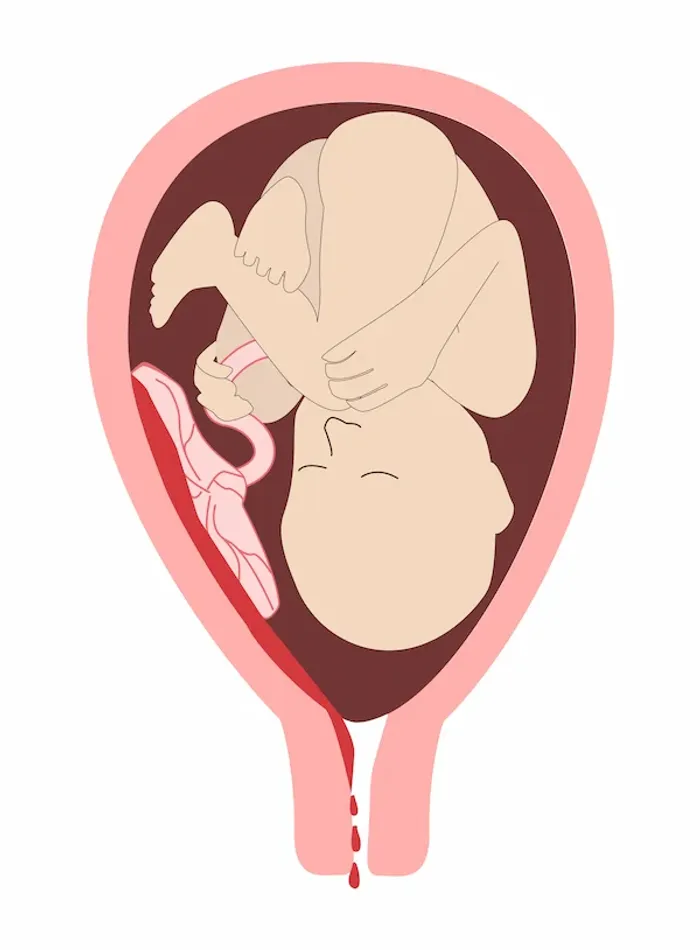
Pregnancy is a beautiful journey, but it can sometimes come with unexpected challenges. One such complication is placental abruption, a condition that requires immediate medical attention. If you or someone you know is pregnant, understanding this condition can help ensure timely care and a safer pregnancy.
What is Placental Abruption?
The placenta is an essential organ that develops during pregnancy, providing oxygen and nutrients to the baby while removing waste. Placental abruption occurs when the placenta partially or completely separates from the uterus before delivery. This can reduce the baby’s oxygen and nutrient supply, leading to serious complications for both mother and baby.
What Causes Placental Abruption?
While the exact cause isn’t always clear, certain factors increase the risk:
1. High Blood Pressure (Hypertension) – Chronic high blood pressure or pregnancy-induced hypertension (preeclampsia) can weaken blood vessels in the placenta.
2. Abdominal Trauma – A fall, car accident, or any direct impact to the abdomen may trigger separation.
3. Smoking or Substance Abuse – Tobacco and drug use (especially cocaine) increase the risk.
4. Previous Placental Abruption – A history of this condition in past pregnancies raises the chances of recurrence.
5. Multiple Pregnancies – Carrying twins or triplets puts extra pressure on the placenta.
6. Premature Rupture of Membranes (Water Breaking Early) – This can sometimes lead to abruption.
7. Age & Lifestyle Factors – Women over 35 or those with poor nutrition may face higher risks.
Symptoms of Placental Abruption
The severity of symptoms depends on how much the placenta has detached. Common signs include:
Vaginal Bleeding (may be light or heavy, but sometimes hidden behind the placenta)
Severe Abdominal or Back Pain (sudden and persistent)
Uterine Tenderness or Tightening (the belly may feel hard)
Decreased Fetal Movement (the baby may move less than usual)
Contractions (sometimes rapid and painful)
Note: Some women may not have visible bleeding if the blood is trapped behind the placenta. If you experience any of these symptoms, seek emergency medical care immediately.
How Does Placental Abruption Affect Health?
For the Mother:
Severe blood loss leading to anaemia or shock
Blood clotting problems
Kidney or organ failure in extreme cases
Need for an emergency C-section
Consult a Top Gynaecologist
For the Baby:
Oxygen deprivation, leading to developmental issues
Premature birth (before 37 weeks)
Low birth weight
Stillbirth (in severe cases)
Diagnosis and Treatment
If placental abruption is suspected, doctors may perform:
Ultrasound (though it may not always detect minor separations)
Blood Tests (to check for anaemia or clotting issues)
Fetal Monitoring (to track the baby’s heart rate)
Treatment Options:
The approach depends on the severity and how far along the pregnancy is:
1. Mild Abruption (Partial Separation)
Bed rest and close monitoring
Medications to prevent preterm labour (if needed)
2. Moderate to Severe Abruption
Emergency Delivery (C-section is often required)
Blood transfusions (if there’s significant blood loss)
Treatment for complications like clotting disorders
Can Placental Abruption Be Prevented?
While not all cases can be avoided, you can lower the risk by:
Managing Chronic Conditions – Keep blood pressure and diabetes under control.
Avoiding Smoking & Alcohol – These harm placental health.
Wearing Seatbelts Safely – Protect your abdomen from trauma.
Attending Prenatal Checkups – Regular visits help detect risks early.
Eating a Balanced Diet – Ensure proper nutrition for a healthy placenta.
When to Seek Immediate Help
If you experience:
Heavy bleeding
Severe pain
Reduced baby movements
Signs of labour before 37 weeks
Do not wait—call your doctor or go to the nearest hospital immediately.
Final Thoughts
Placental abruption is a serious but manageable condition with prompt medical care. If you’re pregnant, stay aware of the symptoms and maintain a healthy lifestyle to reduce risks.
If you have concerns about your pregnancy or need expert advice, Apollo 24|7 offers consultations with experienced obstetricians. You can easily book an appointment or schedule tests through the Apollo 24|7 apps or websites, and receive personalised care.
Consult a Top Gynaecologist
Consult a Top Gynaecologist

Dr. Sanjan Das
Obstetrician and Gynaecologist
15 Years • MBBS,MS
Bengaluru
Apollo Clinic, Sarjapur Road, Bengaluru

Dr. Pritam Dey
Obstetrician and Gynaecologist
6 Years • MBBS,MS(OBSTETRICS & GYNAECOLOGY),FMAS
Kolkata
VDC Clinic, Kolkata

Dr. Srinka Mukherjee
Obstetrician and Gynaecologist
7 Years • MBBS, MS Obstetrics & Gynaecology
Kolkata
VDC Clinic, Kolkata

Dr. Somdutta Basu
Obstetrician and Gynaecologist
7 Years • MBBS, MS Obstetrics & Gynaecology
Bansdroni
Siddhita Healthcare., Bansdroni

Dr. Sangeetha M
Obstetrician and Gynaecologist
21 Years • MBBS, MS ( Obstetrics & Gynaecology )
Bansdroni
Siddhita Healthcare., Bansdroni