


Potato in Ayurveda
Potato in Ayurveda explained. Benefits, cooking tips, portions, and FAQs, science-informed, easy to follow. Your simple potato ayurveda guide.

Written by Dr. Siri Nallapu
Reviewed by Dr. Dhankecha Mayank Dineshbhai MBBS
Last updated on 13th Jan, 2026
Introduction
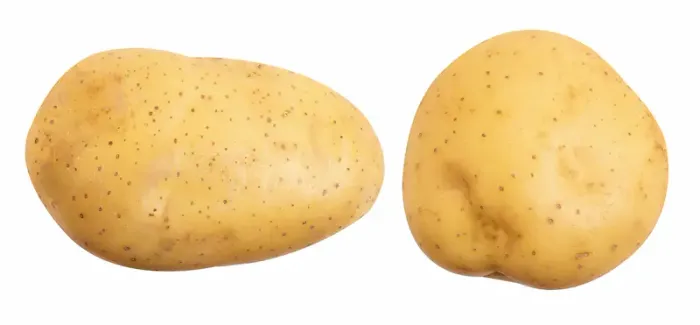
If you’re curious about potato ayurveda, how this familiar tuber fits into an Ayurvedic-inspired lifestyle, this guide brings together traditional wisdom and modern nutrition. Potatoes are affordable, versatile, and satisfying. When you prepare and portion them thoughtfully, they can be part of a balanced, health-supportive diet for many people. Below, you’ll learn what reputable medical sources say about potatoes’ nutrition and health, alongside practical Ayurvedic-style tips for enjoying them comfortably and mindfully.
What is Ayurveda and How Can it Guide Your Potato Choices?
Ayurveda is a traditional system of health from India that emphasizes digestion, daily routines, and eating in tune with your individual needs. While classic Ayurvedic texts predate the potato (a New World crop), modern Ayurvedic-style cooking typically:
• Focuses on how food feels in your body (energy, digestion, comfort)
• Uses spices and cooking methods to support easy digestion
• Encourages mindful portions and balanced meals
In other words, potato ayurveda is less about strict rules and more about choosing types of potato dishes, seasonings, and meal combinations that help you feel well, while honoring evidence-based nutrition.
Potatoes 101: What do Reputable Medical Sources Say?
Potatoes are a starchy vegetable rich in carbohydrates and key nutrients. When you keep portions reasonable and choose healthy cooking methods, they can fit into a balanced diet.
Highlights from Trusted Health Organisations
• Carbohydrates for energy: Potatoes are mostly starch, which provides energy. For steady energy, pair them with protein, healthy fat, and fiber-rich vegetables.
• Potassium: Potatoes (especially with skin) provide potassium, a mineral that helps maintain normal blood pressure and supports muscle and nerve function. Major health bodies, including the WHO and the CDC, note that adequate potassium is important, particularly as many people consume more sodium than they need.
• Vitamin C: Potatoes provide vitamin C, which supports immune function and tissue repair.
• Fiber (especially in the skin): Eating the peel adds fiber, which supports digestion and helps you feel satisfied.
• Glycemic index (GI) varies by type and cooking: Some potato preparations raise blood sugar faster than others. Boiling, cooling, and reheating (to increase resistant starch), and enjoying potatoes with protein/fat can help moderate blood sugar impact.
Evidence-Based Tips for Healthier Potato Meals
Choose Cooking Methods Wisely:
• Better: Boiled, steamed, baked, roasted, or air-fried with minimal oil
• Limit: Deep-fried potatoes (like French fries and chips), which are calorie-dense and often high in sodium
• Keep the skin on when you can for extra fiber and nutrients (scrub well)
• Pair with non-starchy veggies, protein, and healthy fats to keep you full and support steady blood sugar
• Mind portions: Consider about a cupped-hand portion (roughly 1/2 to 1 cup cooked), adjusting to your needs and activity level
Consult a Top General Physician
Potato Ayurveda: Blending Traditional Wisdom with Modern Science
Ayurvedic-style cooking often uses spices and methods that can make starchy foods like potatoes feel more comfortable to digest. While these are traditional culinary practices rather than medical treatments, many people find them helpful in everyday cooking.
Try These Ayurvedic-Inspired Kitchen Tips
• Favor warm, cooked preparations: Soups, stews, curries, and roasted potatoes are often gentler on digestion than very cold or heavily fried dishes.
• Use digestive spices: Cumin, coriander, fennel, turmeric, mustard seeds, ginger, black pepper, and asafoetida (hing) are commonly used with potatoes in Indian cooking to add flavor and may help reduce post-meal heaviness or gas for some people.
• Add fresh herbs and acidity: Cilantro, mint, and a squeeze of lemon or lime brighten flavor and may support enjoyable digestion.
• Balance the plate: Combine potatoes with leafy greens or other non-starchy vegetables, plus a protein source (e.g., lentils, chickpeas, grilled fish, tofu, eggs) and a small amount of healthy fat (e.g., olive oil, ghee, avocado).
Blood Sugar-Friendly Ways to Enjoy Potatoes
If you’re managing blood sugar, you don’t necessarily have to avoid potatoes. Instead, pay attention to preparation, portions, and co-pairing:
• Choose lower-GI approaches:
• Boil small, waxy potatoes (like new or red potatoes) rather than mashing high-starch varieties
• Cook, cool, and then reheat potatoes to increase resistant starch, which can help blunt blood sugar spikes
• Pair with protein, fiber, and fat:
• Examples: Potato-and-egg scramble with spinach; potato-chickpea curry with a side of cucumber salad; roasted potatoes with salmon and broccoli
• Watch portions and frequency: Consistency and moderation help stabilize blood sugar
Heart and Blood Pressure: Potassium and Sodium Balance
• Potassium helps counter some of sodium’s effects on blood pressure. Potatoes provide potassium, especially when eaten with the skin. This can support heart health as part of an overall eating pattern rich in fruits and vegetables.
• Be mindful of sodium: Many potato dishes (chips, fries, heavily salted sides) are high in sodium. Prepare potatoes at home with minimal salt, herbs, and spices. If you use salt, try a light hand and taste before adding more.
Who May Need to Take Extra Care with Potatoes?
While potatoes are a nutritious and versatile food, certain individuals should be mindful of how they consume them and may need to consult a healthcare professional for personalized dietary guidance:
• People with diabetes or prediabetes: Portion control, lower-GI preparation, and pairing strategies matter. Monitor your personal blood glucose response.
• People with chronic kidney disease: Potatoes are high in potassium, and you may need to limit potassium depending on your stage of kidney disease and lab results. Work with your healthcare professional on personalized guidance.
• People managing weight: Potatoes can absolutely fit, prioritize boiled/baked/roasted versions, keep portions reasonable, and surround them with non-starchy vegetables and protein to improve satiety.
• Nightshade concerns: Potatoes are part of the nightshade family. Most people tolerate them well. If you notice consistent symptoms after eating nightshades, discuss with a clinician or dietitian before making broad eliminations.
Addressing Common Questions about Inflammation and Nightshades
• Are potatoes inflammatory? For most people, there’s no strong evidence that nightshades like potatoes cause inflammation. Some individuals report sensitivities, but blanket avoidance isn’t generally recommended without a clear pattern of symptoms.
• What about green or sprouted potatoes? Green patches and sprouts can indicate higher levels of natural compounds that may cause GI upset. Discard heavily green or sprouted potatoes. Store potatoes in a cool, dark place and cut away small green spots if the rest of the potato is sound.
Smart Portions and Balanced Plates
An easy way to keep meals balanced is to fill most of your plate with non-starchy vegetables, add a palm-sized portion of protein, and then include a modest portion of a starch like potatoes.
For example:
• Roasted potato wedges (small handful), big salad, and grilled chicken or tofu
• Potato, spinach, and chickpea curry served with a heap of sautéed vegetables
• Veggie omelet with a side of skillet potatoes and a citrus fruit
Simple Ayurvedic-Inspired Potato Meal Ideas
Simple ayurvedic inspired potato meal ideas:
• Cumin-turmeric potato sauté: Boil small potatoes, then sauté with a teaspoon of olive oil or ghee, mustard seeds, cumin, turmeric, and a pinch of salt. Add spinach at the end.
• Potato-lentil stew: Simmer potatoes with red lentils, tomatoes, ginger, garlic, and garam masala. Finish with cilantro and lemon juice.
• Roasted potato and veggie tray bake: Toss potato chunks with cauliflower, carrots, olive oil, black pepper, and turmeric. Roast until browned; serve with yogurt sauce.
• Warm potato salad: Boiled potatoes tossed with olive oil, Dijon mustard, chopped dill, celery, and a squeeze of lemon; serve over arugula with a protein.
• Leftover-cool method: Boil and cool potatoes in the fridge, then reheat the next day in a skillet with olive oil, onions, and peppers to increase resistant starch.
Safety Tips for Buying, Storing, and Cooking Potatoes
Here are few safety tips:
• Choose firm potatoes without green spots or large sprouts
• Store in a cool, dark, well-ventilated place (not in the refrigerator)
• Rinse and scrub before cooking; eat the skin when appropriate
• Discard heavily green or bitter-tasting potatoes
• Avoid charring; cook until tender but not burnt
Putting it All Together: Potato Ayurveda in Daily Life
A balanced approach works best. Let traditional wisdom guide your preparation, warm, spiced, and satisfying, while you lean on modern medical guidance for portions, blood sugar, heart health, and overall nutrition. If you have specific medical conditions (like diabetes, kidney disease, or GI disorders), personalize your potato plan with your healthcare team.
Consult a Top General Physician
Consult a Top General Physician

Dr Syed Mateen Pasha
General Physician
2 Years • MBBS
Bengaluru
PRESTIGE SHANTHINIKETAN - SOCIETY CLINIC, Bengaluru

Dr. Vivek D
General Physician
4 Years • MBBS
Bengaluru
PRESTIGE SHANTHINIKETAN - SOCIETY CLINIC, Bengaluru

Dr. Anand Ravi
General Physician
2 Years • MBBS
Bengaluru
PRESTIGE SHANTHINIKETAN - SOCIETY CLINIC, Bengaluru

Dr. Harshendra Jaiswal
General Physician/ Internal Medicine Specialist
12 Years • MBBS , MD (General medicine)
Kolkata
108 DHANA DHANVANTARI Clinic, Kolkata

(25+ Patients)

Dr. Thandra Ramoji Babu
General Physician/ Internal Medicine Specialist
5 Years • MBBS, DNB(General Medicine)
Warangal
Sai Ram multi-specialty hospital, Warangal
Consult a Top General Physician
Dr Syed Mateen Pasha
General Physician
2 Years • MBBS
Bengaluru
PRESTIGE SHANTHINIKETAN - SOCIETY CLINIC, Bengaluru
Dr. Vivek D
General Physician
4 Years • MBBS
Bengaluru
PRESTIGE SHANTHINIKETAN - SOCIETY CLINIC, Bengaluru
Dr. Anand Ravi
General Physician
2 Years • MBBS
Bengaluru
PRESTIGE SHANTHINIKETAN - SOCIETY CLINIC, Bengaluru
Dr. Harshendra Jaiswal
General Physician/ Internal Medicine Specialist
12 Years • MBBS , MD (General medicine)
Kolkata
108 DHANA DHANVANTARI Clinic, Kolkata
(25+ Patients)
Dr. Thandra Ramoji Babu
General Physician/ Internal Medicine Specialist
5 Years • MBBS, DNB(General Medicine)
Warangal
Sai Ram multi-specialty hospital, Warangal
More articles from General Medical Consultation




Frequently Asked Questions
1. Are potatoes healthy?
Yes, in the right portions and preparations. Potatoes provide potassium, vitamin C, and fiber (especially with the skin). Choose boiled, baked, roasted, or air-fried potatoes and pair them with vegetables and protein. Limit deep-fried or heavily salted versions.
2. Can I eat potatoes if I have diabetes?
Often yes, with mindful choices. Opt for smaller portions, consider boiling or cooking-cooling-reheating to increase resistant starch, and pair with protein, fiber, and healthy fats. Monitor your personal glucose response and follow your clinician’s advice.
3. Are potato skins good for you?
Yes. The skin adds fiber and some nutrients. Scrub well and eat the skin when the texture fits your dish.
4. Do potatoes cause inflammation because they’re nightshades?
For most people, no. There’s no strong evidence that nightshades like potatoes cause inflammation across the board. If you suspect a sensitivity, keep a food-symptom log and consult a healthcare professional.
5. How does Ayurveda view potatoes?
Ayurvedic-style cooking emphasizes easy digestion, warm meals, and mindful portions. Potatoes are often cooked with spices like cumin, coriander, turmeric, ginger, and mustard seeds, and combined with vegetables and protein for balance. Use these traditional tips alongside evidence-based nutrition guidance.