


Purple Cauliflower Benefits: Nutrition Facts and Health Research
Discover purple cauliflower benefits, nutrition facts, and research-backed tips. Learn why this colorful superfood supports heart, gut, and immune health.

Written by Dr. J T Hema Pratima
Reviewed by Dr. D Bhanu Prakash MBBS, AFIH, Advanced certificate in critical care medicine, Fellowship in critical care medicine
Last updated on 13th Jan, 2026
Introduction
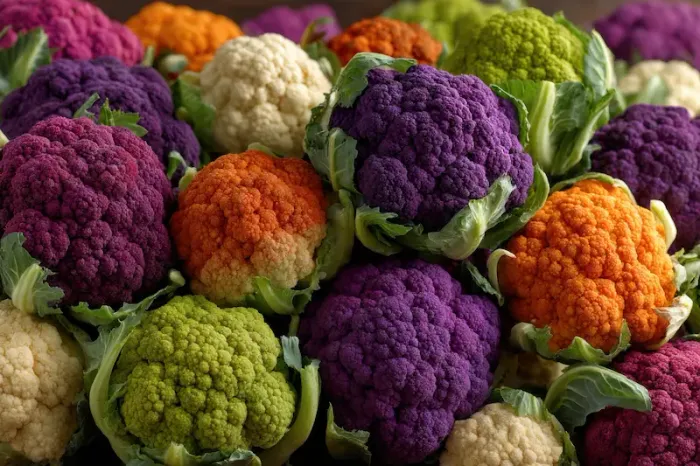
Purple cauliflower is eye-catching, tasty, and often called a superfood for good reason. Like regular cauliflower, it’s a nutrient-dense cruciferous vegetable, but its vibrant color comes from anthocyanins—natural plant pigments with antioxidant activity. If you’re trying to eat more vegetables for heart, gut, and immune health, purple cauliflower can be an easy, affordable, and delicious addition to your routine.
What is purple cauliflower?
Purple cauliflower is simply cauliflower with a deep violet hue thanks to anthocyanins, the same beneficial pigments found in blueberries and red cabbage. It tastes similar to white cauliflower—mild, slightly nutty—and can be used in the same ways. Its overall nutrition is similar to white cauliflower, with the bonus of anthocyanin antioxidants from its purple color.
Purple cauliflower nutrition facts
Cauliflower is low in calories and rich in fiber, vitamin C, vitamin K, and folate. Amounts vary by variety and preparation, but a typical 1-cup serving of raw cauliflower (about 107 g) provides approximately:
• Calories: 27
• Protein: 2 g
• Carbohydrates: 5 g (about 2 g fiber, ~2 g natural sugars)
• Fat: <1 g
• Vitamin C: ~46 mg (about 50% Daily Value)
• Vitamin K: ~16 mcg (about 13% Daily Value)
• Folate: ~60 mcg DFE (about 15% Daily Value)
• Potassium: ~320 mg (about 7% Daily Value)
• Choline: ~44 mg
Purple cauliflower also contains anthocyanins (the purple pigments). Exact amounts vary by variety and growing conditions, but anthocyanins are widely studied for their antioxidant and anti-inflammatory roles in overall health.
Potential health benefits, supported by research
Antioxidants and vitamin C for immune and skin support
• Vitamin C supports immune function and helps your body make collagen, a protein important for skin, bones, and connective tissue.
• Anthocyanins in purple cauliflower act as antioxidants, helping neutralize free radicals and reduce oxidative stress. Diets rich in anthocyanin-containing fruits and vegetables have been associated with heart-health benefits in observational research.
Fiber for digestive health and weight management
• Cauliflower provides dietary fiber, which supports regular bowel movements and a healthy gut.
• Fiber adds volume and helps you feel fuller on fewer calories, which can support healthy weight management when part of an overall balanced eating pattern.
Cruciferous compounds that support cell defenses
• Cauliflower is a cruciferous vegetable, meaning it contains glucosinolates. When chopped or chewed, these can form biologically active compounds (like isothiocyanates, such as sulforaphane).
• Lab and population studies suggest these compounds may help protect cells from oxidative damage and support natural detoxification pathways. While no single food prevents disease, regularly eating cruciferous vegetables is linked with better long-term health.Consult a Top General Physician
Heart and metabolic health
• Large studies consistently link higher fruit and vegetable intake with a lower risk of heart disease and stroke.
• Anthocyanin-rich foods (like berries and purple-hued vegetables) have been associated with better cardiovascular outcomes in observational studies. They may help support healthy blood vessels and reduce inflammation as part of an overall healthy diet.
Is purple cauliflower a superfood?
• “Superfood” is a popular term, not a scientific one. Still, purple cauliflower earns the nickname because it delivers:
• A high nutrient-to-calorie ratio
• Fiber for gut health
• Vitamin C, vitamin K, and folate
• Anthocyanin antioxidants unique to its purple pigment
• Remember: no single superfood can replace a varied, plant-forward eating pattern.
How to choose, store, and cook purple cauliflower?
Choosing and storing
• Choose a head that feels heavy for its size, with tightly packed florets and bright, even purple color.
• Avoid soft spots or browning.
• Store unwashed in the refrigerator, loosely wrapped, for up to a week. Wash just before using.
Cooking tips to keep color and nutrients
• Gentle cooking helps preserve vitamin C and the purple color. Try steaming, roasting, sautéing, air frying, or microwaving.
• Avoid overboiling. Using less water and shorter cook times generally helps retain water-soluble vitamins and pigments.
• Add a squeeze of lemon at the end to brighten flavor; mild acidity can help keep the color vivid.
Easy ways to add purple cauliflower to your meals
• Roast with olive oil, garlic, and pepper until tender and lightly browned.
• Steam and toss with lemon, herbs, and a sprinkle of Parmesan.
• Make “riced” purple cauliflower as a colorful base for stir-fries or burrito bowls.
• Mash with a little olive oil and roasted garlic as a lower-carb side.
• Add raw florets to salads or veggie platters for crunch and color.
• Blend into a creamy soup with onions, broth, and white beans for extra protein and fiber.
Purple cauliflower vs. white cauliflower
• Taste and macronutrients are very similar.
• Purple cauliflower contains anthocyanins, which white cauliflower lacks. This adds antioxidant variety to your plate.
• Both are excellent, budget-friendly choices; rotating colors (“eat the rainbow”) helps diversify beneficial plant compounds.
Safety, allergies, and special considerations
• Vitamin K and blood thinners: Cauliflower provides vitamin K. If you take warfarin or similar medications, keep your vitamin K intake consistent and follow your clinician’s guidance.
• Gas and bloating: Like other high-fiber foods, cauliflower can cause gas for some people. Increase portions gradually and drink water.
• Thyroid considerations: Cruciferous vegetables contain natural compounds that can affect iodine uptake, especially when eaten raw in very large amounts. Normal, varied intake is considered safe for most people. Cooking reduces these compounds. If you have a thyroid condition, ask your healthcare provider about what’s right for you.
• Allergies: True cauliflower allergy is uncommon but possible. If you notice symptoms such as itching, swelling, or breathing issues, seek medical care.
Simple 5-day purple cauliflower plan (mix and match)
• Day 1: Roasted purple cauliflower with salmon and quinoa
• Day 2: Purple cauliflower “rice” stir-fry with tofu and mixed veggies
• Day 3: Sheet-pan chicken with purple cauliflower, carrots, and chickpeas
• Day 4: Creamy purple cauliflower soup with whole-grain toast
• Day 5: Big salad with raw purple cauliflower, leafy greens, beans, avocado, and a vinaigrette
Consult a Top General Physician
Consult a Top General Physician

Dr. Rajib Ghose
General Physician/ Internal Medicine Specialist
25 Years • MBBS
East Midnapore
VIVEKANANDA SEBA SADAN, East Midnapore

Dr. S Vijayaraghavan
General Physician/ Internal Medicine Specialist
31 Years • MD (Gen. Med.)
Chennai
Apollo Speciality Hospitals OMR, Chennai

(175+ Patients)

Dr. Hariprasath J
General Physician/ Internal Medicine Specialist
19 Years • MD (Gen Med), FCCP, Dip (Diabetology, UK)
Chennai
Apollo First Med Hospitals P H Road, Chennai
(225+ Patients)

Dr. Mohammed Sharouk Khader
General Physician/ Internal Medicine Specialist
11 Years • MBBS, Bach. of Med. & Surg., Dip. of American Board of Family Med.
Chennai
Apollo Hospitals Greams Road, Chennai
(150+ Patients)

Dr. Meenakshi N
Family Physician
28 Years • MBBS DNB family medicine MPH FIMSA MNAMS
Noida
Apollo Hospitals Sector 26, Noida
Consult a Top General Physician
Dr. Rajib Ghose
General Physician/ Internal Medicine Specialist
25 Years • MBBS
East Midnapore
VIVEKANANDA SEBA SADAN, East Midnapore
Dr. S Vijayaraghavan
General Physician/ Internal Medicine Specialist
31 Years • MD (Gen. Med.)
Chennai
Apollo Speciality Hospitals OMR, Chennai
(175+ Patients)
Dr. Hariprasath J
General Physician/ Internal Medicine Specialist
19 Years • MD (Gen Med), FCCP, Dip (Diabetology, UK)
Chennai
Apollo First Med Hospitals P H Road, Chennai
(225+ Patients)
Dr. Mohammed Sharouk Khader
General Physician/ Internal Medicine Specialist
11 Years • MBBS, Bach. of Med. & Surg., Dip. of American Board of Family Med.
Chennai
Apollo Hospitals Greams Road, Chennai
(150+ Patients)
Dr. Meenakshi N
Family Physician
28 Years • MBBS DNB family medicine MPH FIMSA MNAMS
Noida
Apollo Hospitals Sector 26, Noida
More articles from General Medical Consultation



Frequently Asked Questions
Q1: Is purple cauliflower healthier than white cauliflower?
They’re both very nutritious. Purple cauliflower has anthocyanins that white cauliflower doesn’t, adding extra antioxidant variety. Otherwise, calories, fiber, and vitamins are similar.
Q2: Does cooking destroy the purple color or nutrients?
Some color and water-soluble vitamins (like vitamin C) can be lost with long boiling. Steaming, microwaving, roasting, or sautéing with shorter cook times helps preserve both color and nutrients.
Q3: Is purple cauliflower good for a low-carb or keto way of eating?
Yes. Cauliflower is low in net carbohydrates and calories, making it a popular substitute for rice or potatoes in low-carb or keto-friendly recipes.
Q4: Can I eat purple cauliflower raw?
Absolutely. It’s delicious raw in salads or with dips. If raw cauliflower causes gas, try smaller portions or cook it lightly to make it easier to digest.
Q5: Is purple cauliflower really a superfood?
“Superfood” isn’t a scientific term, but purple cauliflower earns the label in everyday language because it packs fiber, vitamin C, vitamin K, folate, and anthocyanin antioxidants into a low-calorie package.