Restrictive Lung Disease Overview and Management
Explore restrictive lung disease, its causes, symptoms, and types. Learn about diagnosis, treatment options, and effective management strategies to improve lung function and quality of life.

Written by Dr. J T Hema Pratima
Reviewed by Dr. D Bhanu Prakash MBBS, AFIH, Advanced certificate in critical care medicine, Fellowship in critical care medicine
Last updated on 13th Jan, 2026
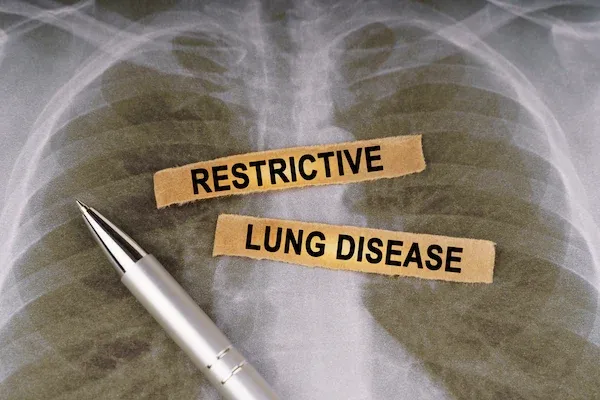
Breathing is something most of us take for granted until it becomes difficult. If you or a loved one has been diagnosed with Restrictive Lung Disease (RLD), you may have questions about what it means and how to manage it. This article will help you understand the condition in simple terms, covering symptoms, causes, and practical ways to improve your lung health.
What Is Restrictive Lung Disease?
Restrictive Lung Disease refers to a group of conditions that make it harder for your lungs to expand fully when you breathe in. Unlike obstructive lung diseases (like asthma or COPD, where air has trouble flowing out), RLD reduces the lung’s ability to take in enough air. This leads to shortness of breath, fatigue, and reduced oxygen levels in the body.
Health topic carousel:
Doctor's speciality: Pulmonology
Text: Consult a Top Pulmonologist
Types of Restrictive Lung Disease
There are two main categories:
1. Intrinsic RLD – Problems within the lungs themselves, such as:
- Pulmonary fibrosis (scarring of lung tissue)
- Sarcoidosis (inflammatory disease)
- Pneumonia or lung infections
2. Extrinsic RLD – Conditions outside the lungs that restrict breathing, including:
- Obesity (extra weight presses on the lungs)
- Scoliosis or kyphosis (spinal deformities limit chest expansion)
- Neuromuscular diseases (like ALS or muscular dystrophy, weakening breathing muscles)
Common Symptoms to Watch For
If you have RLD, you may experience:
- Shortness of breath, especially during physical activity
- Persistent dry cough
- Fatigue and weakness (due to low oxygen levels)
- Chest tightness or discomfort
- Rapid, shallow breathing
These symptoms can worsen over time, so early detection and management are crucial.
What Causes Restrictive Lung Disease?
The causes vary depending on the type:
- Scarring (Fibrosis) – Long-term exposure to toxins (like asbestos, silica dust) or autoimmune diseases (like
- rheumatoid arthritis) can damage lung tissue.
- Inflammation – Conditions like sarcoidosis cause lung inflammation, leading to stiffness.
- Muscle/Nerve Disorders – Diseases like ALS or myasthenia gravis weaken breathing muscles.
- Chest Wall Abnormalities – Severe scoliosis or obesity can physically restrict lung expansion.
How Is It Diagnosed?
If you have persistent breathing difficulties, your doctor may recommend:
1. Pulmonary Function Tests (PFTs) – Measures how much air your lungs can hold.
2. Chest X-ray or CT Scan – Checks for scarring or structural issues.
3. Blood Tests – Looks for low oxygen or underlying conditions.
4. Biopsy (in rare cases) – Examines lung tissue for fibrosis.
Early diagnosis helps in better management and slowing disease progression.
Managing Restrictive Lung Disease: Tips for Better Breathing
While some forms of RLD have no cure, lifestyle changes and treatments can help improve quality of life.
1. Medical Treatments
- Oxygen Therapy – If oxygen levels are low, supplemental oxygen can ease breathing.
- Medications – Anti-inflammatory drugs (for sarcoidosis) or antifibrotic drugs (for pulmonary fibrosis) may be prescribed.
- Pulmonary Rehabilitation – A supervised program with breathing exercises and physical therapy to strengthen lungs.
2. Lifestyle Adjustments
- Quit Smoking – Smoking worsens lung damage; quitting slows progression.
- Stay Active – Gentle exercises (walking, yoga) improve lung capacity.
- Maintain a Healthy Weight – Excess weight puts pressure on the lungs.
- Avoid Pollutants – Wear masks in dusty areas and avoid chemical fumes.
3. Breathing Techniques
- Pursed-Lip Breathing – Inhale through the nose, exhale slowly through pursed lips to reduce breathlessness.
- Diaphragmatic Breathing – Deep belly breathing strengthens the diaphragm.
4. Nutritional Support
- Eat Anti-Inflammatory Foods – Fruits, vegetables, and omega-3-rich foods (like fish) help reduce lung inflammation.
- Stay Hydrated – Thinner mucus is easier to clear from the lungs.
- Small, Frequent Meals – Large meals can press against the diaphragm, making breathing harder.
When to See a Doctor
If you notice:
- Worsening shortness of breath
- Unexplained weight loss or fatigue
- Bluish lips/fingertips (sign of low oxygen)
Consult a pulmonologist (lung specialist) immediately. Early intervention can prevent complications.
Take Charge of Your Lung Health
Living with RLD can be challenging, but with the right care, many people lead active lives. If you suspect breathing problems, Apollo 24|7 offers expert consultations and diagnostic tests to help you get the right treatment.
Final Thoughts
Restrictive lung disease encompasses a group of conditions that limit lung expansion and reduce lung capacity, making breathing difficult. Early diagnosis, appropriate treatment, and ongoing management are essential to slowing disease progression and improving quality of life.
Consult a Top Pulmonologist
Consult a Top Pulmonologist

Dr. Sumara Maqbool
Pulmonology Respiratory Medicine Specialist
12 Years • MBBS, DNB Respiratory, critical care and sleep medicine, DrNB superspeciality Critical care, IDCCM, IFCCM, EDIC
Delhi
Apollo Hospitals Indraprastha, Delhi
(25+ Patients)

Dr. Pravin Madhukar Tajane
Pulmonology Respiratory Medicine Specialist
10 Years • MBBS, MD (Pul. Med.), IDCCM
Nashik
Apollo Hospitals Nashik, Nashik

Dr. Aakanksha Chawla
Pulmonology Respiratory Medicine Specialist
9 Years • MD (Pulmonary Medicine), IDCCM, IFCCM (Indian Fellowship in Critical Care Medicine)
Delhi
Apollo Hospitals Indraprastha, Delhi
(300+ Patients)
Dr. Sumeet Kumar De
Pulmonology Respiratory Medicine Specialist
10 Years • MBBS, Diploma (Tuberculosis & Chest Disease), MD (Respiratory Medicine), DM (Pulmonary Medicine)
Kolkata
Apollo Hospitals, Narendrapur, Kolkata, Kolkata
Dr. Dhiraj Saxena
Hyperbaric Medicine Specialist
20 Years • MD (Resp. Med.), Fellow (Hyperbaric Oxygen Therapy)
Ahmedabad
Apollo Hospitals Gandhinagar, Ahmedabad
(25+ Patients)
Consult a Top Pulmonologist
Dr. Sumara Maqbool
Pulmonology Respiratory Medicine Specialist
12 Years • MBBS, DNB Respiratory, critical care and sleep medicine, DrNB superspeciality Critical care, IDCCM, IFCCM, EDIC
Delhi
Apollo Hospitals Indraprastha, Delhi
(25+ Patients)
Dr. Pravin Madhukar Tajane
Pulmonology Respiratory Medicine Specialist
10 Years • MBBS, MD (Pul. Med.), IDCCM
Nashik
Apollo Hospitals Nashik, Nashik
Dr. Aakanksha Chawla
Pulmonology Respiratory Medicine Specialist
9 Years • MD (Pulmonary Medicine), IDCCM, IFCCM (Indian Fellowship in Critical Care Medicine)
Delhi
Apollo Hospitals Indraprastha, Delhi
(300+ Patients)
Dr. Sumeet Kumar De
Pulmonology Respiratory Medicine Specialist
10 Years • MBBS, Diploma (Tuberculosis & Chest Disease), MD (Respiratory Medicine), DM (Pulmonary Medicine)
Kolkata
Apollo Hospitals, Narendrapur, Kolkata, Kolkata
Dr. Dhiraj Saxena
Hyperbaric Medicine Specialist
20 Years • MD (Resp. Med.), Fellow (Hyperbaric Oxygen Therapy)
Ahmedabad
Apollo Hospitals Gandhinagar, Ahmedabad
(25+ Patients)