



6 Critical Safety Protocols For Road Accidents
Learn road accident protocol: 6 safety steps, traffic safety tips, and emergency response actions to protect lives before and after a crash.

Written by Dr. M L Ezhilarasan
Reviewed by Dr. Shaik Abdul Kalam MD (Physician)
Last updated on 14th Jan, 2026
Introduction
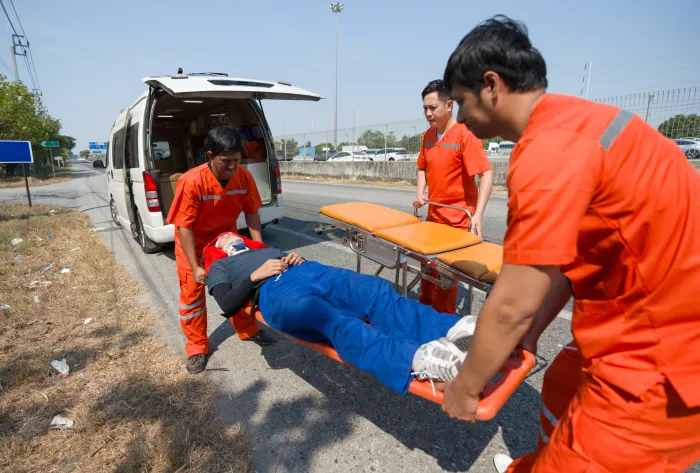
Road traffic crashes occur unexpectedly and can be overwhelming, especially when emotions are high and the environment is chaotic. Understanding a clear, practical road accident protocol helps you act quickly, protect yourself, and offer meaningful assistance to others. This guide expands on essential traffic safety steps, offering calm, structured actions you can rely on. By learning these measures in advance, you strengthen your ability to respond safely and confidently when every second matters.Consult a Top General Practitioner for Personalised Advice
Step 1: Protect Yourself and The Scene
Your safety is always the priority. Without protecting yourself, you cannot effectively help others. Creating a safe environment reduces the risk of further collisions or injuries.
• Move to a safe position away from traffic if you are able to do so safely.
• Turn on hazard lights immediately. Use reflective triangles or flares if visibility is poor and if it is safe to place them.
• Turn off vehicle ignitions to reduce the risk of fire. Avoid open flames, including cigarettes.
• Scan for hazards such as leaking fuel, unstable vehicles, smoke, fire, or downed power lines.
• Keep a distance if a vehicle shows signs of fire or electrical risk and wait for professionals.
Step 2: Call For Emergency Response Early
Calling emergency services promptly ensures medical help arrives as quickly as possible. Keep your phone on speaker to free your hands for first aid.
Be prepared to provide:
• Exact location and any nearby landmarks.
• What occurred, and how many vehicles are involved
• Number of injured people and visible injuries.
• Hazards present at the scene.
• Your callback number.
If others are nearby, give clear, direct instructions to avoid confusion. Delegating tasks helps prevent bystanders from standing idle due to uncertainty.
Step 3: Check For Life-Threatening Issues Without Moving Victims
Moving an injured person unnecessarily may worsen hidden spinal injuries. Approach calmly and look for immediate dangers to life.
• Check for responsiveness by speaking loudly or tapping gently.
• Look for normal breathing and chest movement.
• Inspect for severe bleeding that could be life-threatening.
• If someone is breathing but unconscious and you do not suspect spinal injury, place them in the recovery position.
• Stabilise the head and neck if you suspect spinal trauma. Encourage the person to stay still until help arrives.
Step 4: Control Severe Bleeding and Support Breathing
Stopping major bleeding can be lifesaving. Likewise, recognising when to begin CPR is critical in the initial minutes after a crash.
Bleeding Control
• Apply firm, direct pressure to the wound using cloth or gauze.
• Do not remove dressings once placed; add more layers if the bleeding persists.
• Pack deep wounds with cloth or hemostatic gauze if pressure alone is insufficient.
• Apply a tourniquet above a limb wound only if you are trained, and bleeding remains uncontrolled.
Breathing and CPR
• Begin CPR if the person is unresponsive and not breathing or not breathing normally.
• Push hard and fast in the centre of the chest at 100–120 compressions per minute, about
5 cm deep in adults.
• Use an AED if available: turn it on and follow the instructions.
• Place breathing but unconscious individuals in the recovery position unless a spinal injury is suspected.
Step 5: Prevent Shock and Monitor Continuously
Shock develops when vital organs do not receive enough blood. Early identification and support can prevent deterioration.
• Look for pale skin, fast breathing, confusion, or faintness.
• Lay the person flat and slightly raise the legs if no injury prevents it.
• Keep the person warm using coats or blankets.
• Reassure them to remain still and avoid giving food or drink.
• Monitor breathing, responsiveness, and bleeding continuously.
Step 6: Document, Hand Off, and Follow Up
When immediate danger has passed, begin gathering essential information.
• Note the time, location, and number of injured people.
• Look for medical IDs such as bracelets or smartphone emergency information.
• Exchange details if you are involved in the collision.
• Photograph the scene if it is lawful and safe.
• Provide a clear, concise update to arriving responders.
• Seek medical evaluation yourself; many injuries emerge hours later, including a concussion or internal trauma.
Traffic Safety Tips To Prevent Crashes
Preventative habits greatly reduce the likelihood of a crash. Regular attention to safety builds reliable, protective behaviour on the road.
Seat Belts and Child Restraints
• Always buckle up, no matter the distance.
• Use age-appropriate car seats and ensure correct installation.
Safe Speed and Distance
• Adhere to speed limits and slow down for poor weather or road conditions.
• Maintain a minimum 3-second following distance, increasing it in adverse conditions.
Never Drive Impaired
• Avoid driving under the influence of alcohol, drugs, or sedating medication.
• Arrange alternative transport options if you are not fully alert.
Eliminate Distractions
• Activate Do Not Disturb mode on your phone.
• Set navigation before driving.
Stay Alert and Rested
• Take breaks on long trips.
• Switch drivers if you become tired.
Protect Vulnerable Road Users
• Be cautious of pedestrians and cyclists, especially at crossings.
• Give cyclists generous space and reduce speed in residential and school zones.
• Motorcyclists should wear high-visibility clothing and a certified helmet.
Vehicle Readiness
• Maintain tyres, brakes, lights, and wipers.
• Adjust your seat and head restraint to reduce whiplash risk.
Weather-Wise Driving
• Increase the following distance in rain, fog, or snow.
• Use headlights to improve visibility.
• Pull over safely if conditions become too severe.
First-Aid and Safety Kit
A well-equipped kit improves your ability to respond effectively.
• First-aid items, including gloves, gauze, bandages, and antiseptic wipes.
• Hemostatic gauze and a tourniquet for severe bleeding.
• A face shield or pocket mask for CPR.
• Safety supplies: reflective vest, flashlight, triangles, and emergency blanket.
• Practical extras: water, snacks, a charger, and an emergency contact list.
Special Situations
The special situations include:
Fuel Leaks or Fire
• Move far away if you smell fuel or see smoke.
• Avoid flares near fuel spills.
• Only use a fire extinguisher if trained and safe.
Downed Power Lines
• Advise occupants to remain inside the vehicle unless fire forces escape.
• If exiting, jump clear with feet together and shuffle away.
Water Submersion
• Unbuckle seat belts quickly.
• Break a side window if needed, as windscreens are difficult to break.
• Assist children, starting with the oldest who can help.
Motorcyclists and Cyclists
• Do not remove a motorcyclist’s helmet unless breathing is absent and airway access is required.
• Stabilise the neck and wait for professionals.
Physical and Emotional Health Post-crash
Crashes can affect both body and mind. Early assessment and proper follow-up help prevent long-term complications.
• Seek medical evaluation for pain, dizziness, confusion, neck issues, chest discomfort, numbness, or breathing difficulties.
• Concussion symptoms may appear later; rest and monitoring are essential.
• Emotional reactions such as anxiety or sleep disturbance are normal. Professional support can help if symptoms persist.
Key Takeaways
1. Protect yourself and the scene.
2. Call emergency services early.
3. Check for life-threatening issues without moving victims.
4. Control bleeding and support breathing with CPR/AED if required.
5. Prevent shock and monitor continuously.
6. Document, hand off to responders, and seek follow-up care.Consult a Top General Practitioner for Personalised Advice
Consult a Top General Practitioner for Personalised Advice

Dr. Rajib Ghose
General Physician/ Internal Medicine Specialist
25 Years • MBBS
East Midnapore
VIVEKANANDA SEBA SADAN, East Midnapore
Rajendra Prasad
General Physician/ Internal Medicine Specialist
37 Years • MBBS, MD
Bengaluru
Apollo Medical Center, Marathahalli, Bengaluru

Dr. Srilekhya
Internal Medicine Specialist Diabetologist
10 Years • MBBS, MD (GENERAL MEDICINE)
Bengaluru
Apollo Medical Center, Marathahalli, Bengaluru

Dr Aswathy D C
General Practitioner
6 Years • MBBS
Bangalore
Apollo Clinic Bellandur, Bangalore

Dr. Imtiyaz Khan
General Practitioner
6 Years • MD (Physician), Fellowship in Critical Care,AFIH
Bengaluru
Apollo Clinic, Sarjapur Road, Bengaluru
Consult a Top General Practitioner for Personalised Advice
Dr. Rajib Ghose
General Physician/ Internal Medicine Specialist
25 Years • MBBS
East Midnapore
VIVEKANANDA SEBA SADAN, East Midnapore
Rajendra Prasad
General Physician/ Internal Medicine Specialist
37 Years • MBBS, MD
Bengaluru
Apollo Medical Center, Marathahalli, Bengaluru
Dr. Srilekhya
Internal Medicine Specialist Diabetologist
10 Years • MBBS, MD (GENERAL MEDICINE)
Bengaluru
Apollo Medical Center, Marathahalli, Bengaluru
Dr Aswathy D C
General Practitioner
6 Years • MBBS
Bangalore
Apollo Clinic Bellandur, Bangalore
Dr. Imtiyaz Khan
General Practitioner
6 Years • MD (Physician), Fellowship in Critical Care,AFIH
Bengaluru
Apollo Clinic, Sarjapur Road, Bengaluru
More articles from General Medical Consultation


.webp)
Frequently Asked Questions
Q.What Is The First Thing I Should Do At A Road Accident?
Ensure your own safety first. Turn on hazard lights, assess the environment, and contact emergency services immediately.
Q.Should I Move An Injured Person After A Crash?
Do not move them unless imminent danger exists, such as fire or rising water. Support their head and neck and wait for trained responders.
Q.How Do I Control Severe Bleeding?
Use firm pressure with a clean cloth or gauze. Add more layers if bleeding continues. Pack deep wounds and apply a tourniquet if trained and necessary.
Q.When Should I Start CPR?
Start CPR if the person is unresponsive and not breathing normally. Use an AED if available and follow its instructions.
Q.What Should I Tell The Emergency Dispatcher?
Provide location, what happened, number of injured people, visible injuries, hazards, and your callback number.