


Sleep Insomnia: Side Effects & Best Foods for Sleep
Learn the side effects of poor sleep and which foods and habits can help you rest better. Simple, science-based tips to fall asleep and stay asleep.

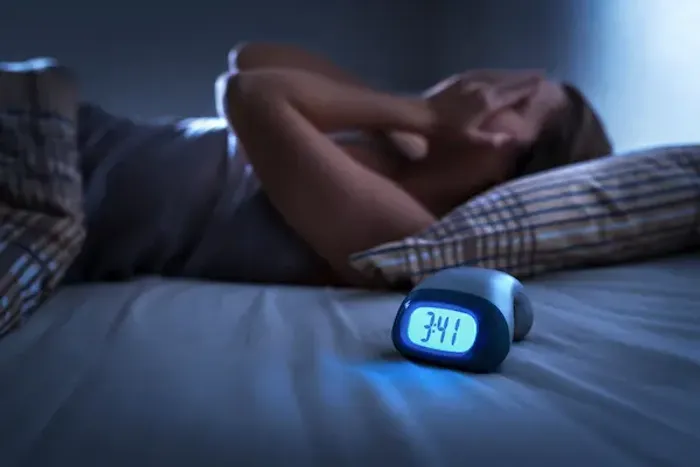
Introduction
If you struggle to fall asleep, wake often at night, or feel tired the next day, you’re not alone. Trouble sleeping affects millions of people and can harm your health, mood, and productivity. Sleep deprivation can raise the risk of accidents and several chronic conditions, but there’s good news: small daily habits, smart evening routines, and evidence-based natural sleep aids can make a real difference. Choosing the right Insomnia foods and timing your meals can also support your body’s sleep/wake rhythm.
What Is Insomnia?
Insomnia means you have persistent difficulty falling asleep, staying asleep, or waking up too early and not being able to fall back asleep—despite having the chance to sleep. It can be short term (a few days or weeks, often after stress or travel) or chronic (at least three nights a week for three months or longer).
Common triggers and contributors include:
- Stress, anxiety, or depression
- Irregular schedules (shift work, jet lag)
- Too much light or noise in the bedroom
- Caffeine, nicotine, alcohol, or large late night meals
- Certain medications and medical conditions (e.g., pain, reflux, thyroid issues, sleep apnea)
- Lack of daytime light exposure and limited physical activity
Adults generally need at least 7 hours of quality sleep per night. Regular short sleep can add up and impact your body and brain, even if you “get used to” feeling tired.
Side Effects Of Sleep Deprivation
Missing sleep affects much more than energy levels. Research links ongoing poor sleep to:
- Brain and mood
- Reduced attention, slower reaction times, and memory problems
- Higher stress, irritability, and risk of anxiety and depression
- Heart and metabolism
- Higher blood pressure, increased risk for heart disease and stroke over time
- Changes in appetite hormones that may promote weight gain
- Higher risk of insulin resistance and type 2 diabetes
- Immunity
- More frequent colds and slower recovery when you get sick
- Safety and performance
- More errors and accidents at home, work, and on the road
- Pain and overall wellbeing
- Lower pain threshold and reduced quality of life
While one rough night happens to everyone, patterns of short or disrupted sleep deserve attention, both for how you feel
now and your long-term health.
Consult a Top General Physician
Best Insomnia Foods And Drinks For Better Sleep
Food isn’t a magic cure, but choosing certain foods and timing evening meals can gently support the hormones and
brain chemicals involved in sleep.
What To Include More Often?
Fruit Rich In Natural Sleep-Supporting Compounds
- Tart cherries: They contain melatonin, a hormone that helps regulate your sleep/wake cycle. Small studies suggest tart
cherry juice may modestly improve sleep time and quality for some adults. - Kiwifruit: Limited research suggests eating kiwi before bed may help people fall asleep faster and sleep longer. The
effect is modest, but kiwi is a nutrient-dense option to try.
Protein Plus Complex Carbs At Dinner
- Protein sources like turkey, chicken, eggs, yogurt, cottage cheese, tofu, beans, nuts, and seeds provide tryptophan, an
amino acid your body uses to make serotonin and melatonin. - Pairing protein with complex carbohydrates, such as brown rice, quinoa, oats, wholegrain bread, or sweet potatoes, can
help tryptophan reach the brain. Keep the meal light to moderate in size.
Magnesium And Potassium-Rich Foods
- Magnesium helps regulate nerve and muscle function and may support sleep quality, especially if your intake is low.
Good sources include leafy greens (spinach, Swiss chard), pumpkin seeds, almonds, cashews, black beans, edamame,
and whole grains. - Potassium supports muscle relaxation and healthy blood pressure. Try bananas, avocados, potatoes, beans, and yogurt.
Dairy And Calcium-Rich Choices
- Milk, yogurt, kefir, and fortified plant milks provide calcium, which helps the brain use tryptophan to make melatonin.
A small, warm glass of milk or fortified plant milk can be a soothing pre-bed ritual.
Herbal Teas (Caffeine-free)
- Chamomile, lemon balm, and passionflower teas are naturally caffeine-free. While evidence is mixed, many people find
a warm, calming drink helpful. If you’re on medications or pregnant, check with your clinician before starting herbal
teas regularly.
What To Limit Or Avoid In The Evening?
Caffeine
- Coffee, tea (including many green and black teas), yerba mate, energy drinks, and many sodas can disrupt sleep even if
you fall asleep easily. Chocolate also contains caffeine. - Try to avoid caffeine for at least six hours before bed; many people do better stopping by early afternoon.
Alcohol
- Alcohol may make you sleepy at first, but it fragments sleep, reduces deep and REM sleep, and can trigger early
awakenings. Try to avoid drinking within three hours of bedtime. - Heavy, spicy, or high-fat meals late at night
- Large or spicy meals can cause indigestion or reflux that interrupts sleep. If you’re hungry, choose a light snack.
Lots Of Fluids Before Bed
- To reduce overnight bathroom trips, drink most of your fluids earlier and have small sips in the evening.
Evening Snack Ideas That Won’t Weigh You Down
- Greek yogurt with tart cherry concentrate or sliced kiwi
- Wholegrain toast with peanut or almond butter and banana
- Oatmeal with warm milk and cinnamon
- Cottage cheese with sliced peaches or pineapple
- A small handful of walnuts or pumpkin seeds plus a pear
- Baked sweet potato with a spoon of yogurt and nutmeg
Natural Ways To Sleep Better (Habits And Safe Options)
Lasting sleep improvements usually come from daytime routines and pre-bed rituals that train your body and brain to
expect rest.
Daytime Foundations
Keep A Regular Schedule
- Wake up and go to bed at about the same times every day, including weekends.
Get Daylight Exposure
- Morning light helps set your internal clock. Aim for 15–30 minutes of outdoor light soon after waking.
Move Your Body
- Regular physical activity supports deeper sleep. Even a daily walk helps. If vigorous workouts make it hard to wind
down, finish them earlier in the day.
Mind Your Naps
- If you nap, keep it brief (10–20 minutes) and early in the afternoon. Long or late naps can make it harder to sleep at
night.
Winddown Routine (60–90 Minutes Before Bed)
Dim Lights And Reduce Bright Screens
- Blue light from phones and computers can delay melatonin release. Use night mode or blue light filters if needed and try
to log off at least an hour before bed.
Relaxation Practices
- Try slow breathing (e.g., inhale 4 seconds, exhale 6–8 seconds), progressive muscle relaxation, gentle stretching, or a
short mindfulness exercise. - Keep your bedroom cool, dark, and quiet
- Most people sleep best around 60–67°F (15–19°C). Consider blackout curtains, a fan, or a white noise machine if noise
or light is an issue.
Reserve Bed For Sleep And Intimacy
- If you can’t sleep after ~20 minutes, get up and do a quiet, low-light activity (reading paper pages, light stretching) until
you feel sleepy.
Cognitive Behavioral Therapy For Insomnia (CBT-I)
CBTI is the gold standard, non-medication treatment for chronic insomnia. It helps you change unhelpful sleep thoughts and patterns and often works within weeks. Ask your clinician for a referral or try a clinician-guided digital CBTI program if available in your area.
About Common Over-the-Counter Options
Melatonin
- Best evidence: jet lag and delayed sleep phase (night owls), or short-term use when shifting schedules.
- Typical adult doses range from 0.5 to 3 mg taken 1–2 hours before bedtime. Start low; more is not always better.
- Talk with your clinician if you take other medications or have chronic conditions, and avoid during pregnancy unless
advised by your provider. Quality and dose can vary by brand.
Magnesium
- If your dietary intake is low, improving it through food or a supplement may help sleep quality. Discuss supplements
with your clinician, especially if you have kidney disease or take medications.
Herbal Products (E.G., Valerian, Chamomile)
- Research is mixed, and potency varies. Herbs can interact with medications (for example, chamomile may interact with
blood thinners). Check with a healthcare professional before using regularly.
A Simple 7-Day Evening Meal And Snack Planner (Ideas You Can Mix And Match)
Day 1
- Dinner: Grilled salmon, quinoa, steamed spinach with olive oil and lemon
- Snack (if needed): Warm milk and a few wholegrain crackers
Day 2
- Dinner: Lentil and vegetable soup, wholegrain roll
- Snack: Greek yogurt with tart cherry concentrate
Day 3
- Dinner: Turkey, brown rice, roasted broccoli
- Snack: Oatmeal with cinnamon and sliced banana
Day 4
- Dinner: Tofu stir fry with mixed vegetables over barley (low-sodium sauce)
- Snack: Cottage cheese with kiwi
Day 5
- Dinner: Baked chicken, sweet potato, side salad
- Snack: A small handful of walnuts and a pear
Day 6
- Dinner: Veggie omelet, wholegrain toast, sliced tomatoes
- Snack: Chamomile tea and a few pumpkin seeds
Day 7
- Dinner: Black bean tacos with avocado, cabbage slaw, and salsa
- Snack: Kefir (or unsweetened plant kefir) with nutmeg
When To See A Healthcare Professional?
- Sleep trouble at least three nights per week for three months or more
- Loud snoring, gasping, or pauses in breathing during sleep
- Severe daytime sleepiness, frequent dozing off, or near misses while driving
- Restless or uncomfortable sensations in your legs at night
- Ongoing anxiety or low mood that affects sleep
- Chronic pain, reflux, or other medical issues that wake you up
- You’re pregnant, have a chronic condition, or take multiple medications, and want to try supplements
- You depend on alcohol or sleep medications to fall asleep
Getting help early prevents a cycle in which worrying about sleep makes sleep even harder. A clinician can screen for conditions like sleep apnea or restless legs syndrome and suggest tailored treatments, including CBT‑I.
Consult a Top General Physician
Consult a Top General Physician

Dr Syed Mateen Pasha
General Physician
2 Years • MBBS
Bengaluru
PRESTIGE SHANTHINIKETAN - SOCIETY CLINIC, Bengaluru

Dr. Vivek D
General Physician
4 Years • MBBS
Bengaluru
PRESTIGE SHANTHINIKETAN - SOCIETY CLINIC, Bengaluru

Dr. Anand Ravi
General Physician
2 Years • MBBS
Bengaluru
PRESTIGE SHANTHINIKETAN - SOCIETY CLINIC, Bengaluru

Dr. Harshendra Jaiswal
General Physician/ Internal Medicine Specialist
12 Years • MBBS , MD (General medicine)
Kolkata
108 DHANA DHANVANTARI Clinic, Kolkata

(25+ Patients)


Dr. Syed Ismail Ali
General Practitioner
7 Years • MBBS
Hyderabad
Apollo 24|7 Clinic, Hyderabad
Consult a Top General Physician
Dr Syed Mateen Pasha
General Physician
2 Years • MBBS
Bengaluru
PRESTIGE SHANTHINIKETAN - SOCIETY CLINIC, Bengaluru
Dr. Vivek D
General Physician
4 Years • MBBS
Bengaluru
PRESTIGE SHANTHINIKETAN - SOCIETY CLINIC, Bengaluru
Dr. Anand Ravi
General Physician
2 Years • MBBS
Bengaluru
PRESTIGE SHANTHINIKETAN - SOCIETY CLINIC, Bengaluru
Dr. Harshendra Jaiswal
General Physician/ Internal Medicine Specialist
12 Years • MBBS , MD (General medicine)
Kolkata
108 DHANA DHANVANTARI Clinic, Kolkata
(25+ Patients)
Dr. Syed Ismail Ali
General Practitioner
7 Years • MBBS
Hyderabad
Apollo 24|7 Clinic, Hyderabad
More articles from General Medical Consultation




Frequently Asked Questions
1. How many hours of sleep do adults need?
Most adults need at least 7 hours of sleep per night for best health. Some feel best with 7–9 hours. Older adults still benefit from around 7–8 hours.
2. Do bananas really help you sleep?
Bananas provide magnesium and potassium, which support muscle relaxation, plus carbohydrates that pair well with protein at dinner. They won’t cure insomnia, but they can be part of a sleep-friendly evening snack.
3. Is melatonin safe to take every night?
Short-term use at low doses is generally considered safe for most adults. It’s most helpful for jet lag or circadian timing issues. Because melatonin can interact with medications and quality varies by brand, talk with your clinician before regular use, especially if you’re pregnant, breastfeeding, older, or managing chronic conditions.
4. What time should I stop drinking caffeine?
Aim to avoid caffeine for at least six hours before bed; many people sleep better if they stop by early afternoon. Remember, caffeine can hide in tea, soda, energy drinks, and chocolate.
5. Are naps bad if I have insomnia?
Short, early afternoon naps (10–20 minutes) can be okay for some people. If you have trouble falling asleep at night, try skipping naps or keeping them brief and earlier in the day.