


Soybean Benefits in Ayurveda
Explore soybean benefits through an Ayurvedic lens—nutrition, heart health, digestion tips, safety, and easy ways to add soy to your diet.

Written by Dr. Dhankecha Mayank Dineshbhai
Reviewed by Dr. Vasanthasree Nair MBBS
Last updated on 13th Jan, 2026
Introduction
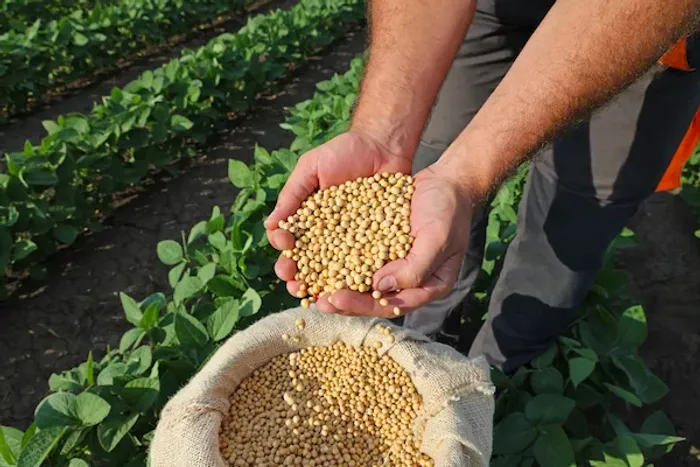
Soy is one of the most researched plant foods in the world, and it fits naturally into many traditional, plant-forward eating styles. If you are curious about soybean benefits and how they align with Ayurvedic eating, this guide brings the two together in a practical and science-informed way. You will learn what modern research says about heart and hormone health, how to prepare soy so it is easier to digest, and who should be cautious. Think of this as a friendly roadmap for using soy wisely and comfortably in everyday life.
Consult a Top Ayurveda Doctor for Personalised Advice
How Ayurveda Views Soy?
Soy is not described in classical Ayurvedic texts, but modern practitioners apply Ayurvedic principles such as gunas, digestion, and dosha balance to soy in a similar way to other legumes.
General Ayurvedic Perspective
- Often considered relatively heavy and slightly cooling.
- It may be gas-forming when digestion is weak.
- Benefits from thorough cooking and the addition of warming spices.
Practical Ayurvedic Tips
- Soak dried soybeans overnight and cook until very soft.
- Choose gentler forms such as soft tofu, tempeh, edamame, and miso.
- Use spices like ginger, cumin, coriander, fennel, turmeric, black pepper, and a pinch of asafoetida.
- Prepare warm meals with a little healthy oil to support digestion.
- Begin with small portions and adjust depending on comfort.
Dosha-sensitive Pointers
These include:
Vata
- Choose softer or fermented forms.
- Cook with sesame oil or ghee and warming spices.
- Keep portions moderate.
Pitta
- Soy’s cooling quality is usually comfortable.
- Use mild spices such as coriander, fennel, and cilantro.
- Avoid deep-fried soybean dishes.
Kapha
- Keep portions light and avoid heavy, oily preparations.
- Choose baked or stir-fried tofu or tempeh with warming spices such as black pepper and ginger.
Nutrition Snapshot of Soybeans
Soybeans stand out among legumes due to their unusually rich and balanced nutrient profile. Unlike many plant foods that may lack one or more essential amino acids, soy provides a complete amino acid spectrum, making it a highly efficient protein source for both vegetarians and non-vegetarians. Its nutritional qualities support heart health, digestive balance, metabolic stability, and overall dietary adequacy when eaten in varied forms.
Nutritional highlights
- Soy offers complete protein, containing all essential amino acids in proportions supportive of muscle repair, immune function, and day-to-day metabolic processes.
- The fat content is predominantly polyunsaturated, including both omega-6 and ALA omega-3 fatty acids, which contribute to overall cardiovascular health when eaten in moderation.
- Its fibre content supports digestive comfort, contributes to bowel regularity, and promotes satiety, making soy a helpful food for weight management.
- Soybeans provide iron, potassium, and trace minerals essential for energy production, blood pressure balance, and nerve function. Fortified soy milk and yoghurt may also supply vitamins such as B12, calcium, and vitamin D.
- Isoflavones, naturally occurring plant compounds, act as weak phytoestrogens. These do not mimic the potency of human oestrogen but can have mild and beneficial hormonal effects depending on the individual and dietary context.
Common Soy Foods and Their Benefits
- Edamame offers whole-bean texture, fibre, and protein, making it a satisfying snack or salad addition.
- Tofu serves as a versatile protein base that absorbs flavours easily and suits soups, stir-fries, and curries.
- Tempeh, being fermented, contains natural probiotics that can support gut health while offering a firmer texture and nutty flavour.
- Miso provides depth to broths and dressings, contributing probiotics when added to warm (not boiling) liquids.
- Fortified soy milk and yoghurt function as dairy alternatives with reliable protein and, depending on enrichment, useful levels of calcium and vitamin D.
- Together, these foods allow soy to be incorporated in a wide range of meals, supporting nutrition that is balanced, satisfying, and adaptable to different dietary patterns.
Top Soybean Research-Backed Benefits
Extensive global research has examined soybeans and their role in supporting human health. Their combination of complete protein, fibre, healthy fats, and bioactive compounds contributes to numerous well-documented benefits. While individual responses vary, most studies show soy is a valuable addition to balanced eating patterns, especially when used to replace more processed or high-saturated-fat foods.
Heart Health Support
- Soy foods have been linked with improvements in heart health largely due to their favourable fat profile. Replacing full-fat dairy, red meat, or processed meats with soy reduces overall saturated fat intake, a key factor in cholesterol management.
- The protein in soy itself may contribute to modest LDL reductions when used consistently in place of animal-based proteins. Even small improvements in LDL cholesterol can produce meaningful long-term cardiovascular benefits when combined with other heart-healthy habits.
- The fibre, potassium, and antioxidant compounds in soy further support by promoting vascular health and reduce inflammation.
- When soy is part of a broader dietary pattern rich in whole grains, legumes, vegetables, fruits, nuts, and healthy oils, the cumulative benefits to heart health become more significant and sustained.
Menopause Symptom Relief
- Isoflavones, naturally occurring in soybeans, have been studied for their potential role in supporting comfort during menopause.
- Many women experience modest reductions in the frequency or intensity of hot flushes when regularly consuming whole soy foods.
- Although results vary, soy foods remain a gentle, food-based approach that may offer relief without the potency or risks associated with concentrated supplements.
- The effect is gradual rather than immediate, with improvements often appearing after consistent intake over several weeks.
Safe for Most People Regarding Breast Health
- Large observational studies consistently show that whole soy foods are safe for women, including those with a history of breast cancer.
- Some evidence suggests that women who consume soy throughout life may experience protective effects, possibly due to the body’s early-life exposure to isoflavones.
- For breast cancer survivors, regular intake of soy foods is associated with improved survival and reduced recurrence risk in some studies, though foods—not high-dose extracts—are recommended.
Metabolic Well-Being
- The protein and fibre combination in soy supports steady energy release, improved appetite control, and better blood sugar regulation.
- Using soy in place of refined starches or red meats improves overall diet quality and may positively influence weight management goals.
- These metabolic benefits contribute to a reduced risk of certain chronic conditions, such as type 2 diabetes, when soy is integrated into a balanced lifestyle.
Bone Health Support
- Soy contributes to bone health mainly through fortified soy milk and calcium-set tofu, both reliable sources of plant-based calcium.
- Isoflavones may also offer mild bone-supportive effects by helping maintain bone density, particularly in postmenopausal women.
- While research results are mixed, including soy in a diet that already emphasises weight-bearing activity, adequate vitamin D, and other calcium-rich foods provides a well-rounded approach to long-term skeletal wellbeing.
How Much Soy Is Reasonable?
Most healthy adults can enjoy one to two servings of soy foods per day.
Examples of One Serving
- Half a cup of cooked soybeans or edamame
- One cup of fortified soy milk
- Three to four ounces of tofu or tempeh
How to Enjoy Soybean Benefits with Ayurvedic Cooking?
Ayurvedic cooking emphasises digestion, warmth, and balance. These principles work well with soy when applied thoughtfully.
Ayurvedic-aligned Cooking Habits
- Soak dried soybeans overnight.
- Discard soaking water and cook in fresh water.
- Use fermented or soft forms for easier digestion.
- Add digestive spices.
- Pair soy with cooked vegetables and whole grains.
- Eat meals warm and prepared fresh.
Gentle Spice Combinations
- Add ginger and turmeric to tofu soups or curries.
- Sprinkle cumin or coriander on sautéed tempeh.
- Add a pinch of asafoetida to vegetable stir-fries with tofu.
- Use fennel and cardamom in soy milk drinks.
Soybean’s Safety, Allergies, and Special Situations
Soy is well-tolerated by most people, but certain situations call for additional care, including:
Allergies
- Soy is a common allergen that can cause mild or severe reactions.
- Seek medical care for signs of allergy.
Thyroid Considerations
- Soy does not cause hypothyroidism.
- It can interfere with levothyroxine absorption, so separate intake by several hours.
- Maintain adequate iodine intake.
Hormones and Men’s Health
- Normal soy intake does not reduce testosterone or impair fertility.
- Whole foods are safe for men.
Breast Cancer Considerations
- Soy foods are safe and may be beneficial for survivors.
- Avoid concentrated supplements unless recommended.
Blood pressure, diabetes, and kidney health
- Soy fits well within most heart-healthy and diabetic-friendly diets.
- People with kidney disease should confirm protein needs with their clinician.
Medication Interactions
- Fermented soy products contain tyramine that may interact with MAOIs.
- People on MAOIs should seek medical advice before consuming these foods.
Infants and Children
- Fortified soy milk is suitable for older children who do not consume dairy.
- Soy-based infant formula is safe when used under paediatric guidance.
Simple, Delicious Ways to Add Soy
Some simple tet delicious ways to add soy include:
Cooking Ideas
- Breakfast tofu bhurji with turmeric and cumin.
- Warm edamame with lemon, sesame oil, and asafoetida.
- Tempeh stir-fried with ginger, garlic, and vegetables.
- Gentle miso soup with tofu and seaweed.
- Soy milk lassi with cardamom and a date.
Conclusion
Soybeans offer a nutritious blend of complete protein, healthy fats, fibre, and beneficial plant compounds. When prepared thoughtfully and paired with supportive spices, soy foods can align well with Ayurvedic principles that prioritise digestion and balance. Scientific evidence shows benefits for heart health, menopause symptoms, and metabolic wellbeing. Most people can enjoy soy comfortably by choosing whole foods, keeping portions reasonable, and following simple timing guidelines for medications. With a mindful approach, soy can become a versatile, satisfying, and health-supportive component of everyday meals.
Consult a Top Ayurveda Doctor for Personalised Advice
Consult a Top Ayurveda Doctor for Personalised Advice

Dr. Shiv Prakash Singh
Ayurveda Practitioner
19 Years • BAMS
Kolkata
Vedhive Ayurveda College Street, Kolkata

(50+ Patients)

Dr. Anjan Das
Ayurveda Practitioner
8 Years • Ayurvedacharya ( B.A.M.S )
Dumdum
Vedhive Ayurveda Clinic, Dumdum

Dr. Rik Sadhukhan
Ayurveda Practitioner
8 Years • BAMS
Kolkata
Vedhive Ayurveda, Ballygunge, Kolkata
Consult a Top Ayurveda Doctor for Personalised Advice
Dr. Shiv Prakash Singh
Ayurveda Practitioner
19 Years • BAMS
Kolkata
Vedhive Ayurveda College Street, Kolkata
(50+ Patients)
Dr. Anjan Das
Ayurveda Practitioner
8 Years • Ayurvedacharya ( B.A.M.S )
Dumdum
Vedhive Ayurveda Clinic, Dumdum
Dr. Rik Sadhukhan
Ayurveda Practitioner
8 Years • BAMS
Kolkata
Vedhive Ayurveda, Ballygunge, Kolkata
More articles from General Medical Consultation
.webp)



Frequently Asked Questions
Is soy good or bad for you?
Whole soy foods are a nutritious part of many healthy diets. They offer complete protein, healthy fats, fibre, and isoflavones. When soy replaces foods high in saturated fat, it can support heart health. As with any food, quality and portion size matter.
Does soy affect hormones or increase breast cancer risk?
The isoflavones in soy are much weaker than human estrogen. Eating soy foods does not increase breast cancer risk and appears safe for survivors. Many experts advise choosing foods (tofu, tempeh, edamame, soy milk) rather than isoflavone supplements unless prescribed.
Can I have soy if I have hypothyroidism?
Yes. Soy does not cause hypothyroidism, but it can reduce the absorption of thyroid medication. Take levothyroxine on an empty stomach and separate soy intake by several hours (often at least 4 hours). Confirm timing with your healthcare provider.
What forms of soy are best from an Ayurvedic perspective?
Softer and fermented forms—like silken tofu, tempeh, and miso—are often easier to digest. Cook with digestive spices, eat warm meals, and keep portions moderate to reduce gas and support comfortable digestion.
How much soy is safe to eat daily?
For most healthy adults, 1–2 servings of soy foods per day is reasonable. Examples include 1 cup fortified soy milk, 1/2 cup edamame, or 3–4 ounces of tofu or tempeh. If you have specific medical conditions or take certain medications, ask your clinician for personalised guidance.