


Tadasana (Mountain Pose): Steps, Benefits, and Importance
Learn Tadasana (Mountain Pose) with clear steps, benefits, and safety tips. Improve posture, balance, and breath with tadasana yoga in this evidence-based guide

Written by Dr. J T Hema Pratima
Reviewed by Dr. Dhankecha Mayank Dineshbhai MBBS
Last updated on 13th Jan, 2026
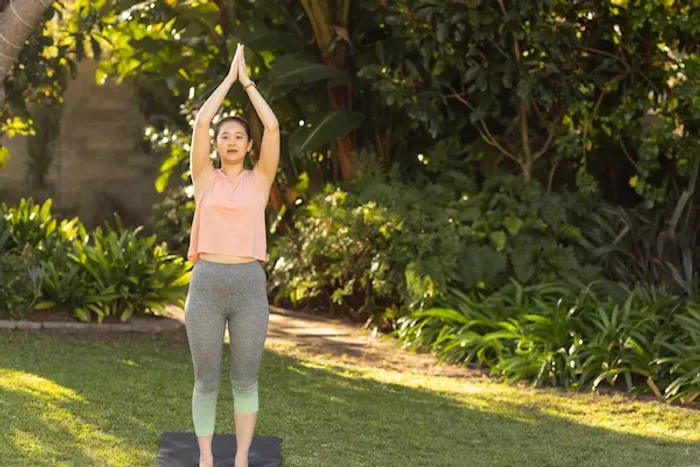
Introduction: Why Tadasana (Mountain Pose) Matters
Tadasana, or Mountain Pose, may appear simple at first glance: you stand upright with your feet grounded and your spine tall. However, this posture forms the base structure for many yoga poses and influences how you stand and move in daily life. It is a conscious way of standing that teaches your body to align optimally and teaches your mind to remain steady and balanced. Through regular practice, Tadasana encourages good posture, stable breathing, improved balance, and a better awareness of how your body feels and moves.
These skills are not limited to the yoga mat. The alignment learned in Tadasana translates into daily activities such as walking, bending, lifting heavy objects, or even sitting for long hours at a desk. When body alignment and breath awareness merge, you feel more centred and grounded. Practising Tadasana for even a few minutes a day can help reduce tension in the neck, shoulders, and lower back while increasing your sense of presence and calm.
Consult a Top General Practitioner for Personalised Advice
What Is Tadasana (Mountain Pose)?
Tadasana is a standing yoga posture that positions the body from the feet upward. It is a practice of stacking the joints and allowing effort and relaxation to work together harmoniously.
This pose teaches:
- Equal grounding through both feet
- Alignment of ankles, knees, hips, shoulders, spine, and head
- Activation of the legs and core without gripping or stiffening
- Relaxed shoulders and steady, rhythmic breathing
Because Tadasana can be adapted to suit many body types and physical conditions, it is often one of the first poses taught to beginners. Yet even experienced practitioners use it as a diagnostic posture to observe alignment and imbalances. When performed consistently, this pose becomes a checkpoint for posture awareness and a gentle invitation to stand with presence and ease.
Tadasana is particularly beneficial for people who spend long hours sitting, have a habit of slouching, or feel disconnected from their posture.
How to Practise Tadasana: Step-by-Step?
Stand on a yoga mat or any firm, non-slip surface. If balance is a concern, practise near a wall or the back of a sturdy chair.
Step 1: Position Your Feet
Choose the stance that feels right for your body:
- Big toes touching, heels slightly apart (traditional alignment)
- Feet hip-width apart (a more comfortable base)
Press evenly through these four points of each foot:
- Base of the big toe
- Base of the little toe
- Inner heel
- Outer heel
This distributes your weight evenly and prevents collapsing into the inner arches or shifting too far outward.
Step 2: Align Your Legs
- Lightly engage the thigh muscles
- Keep a soft bend in the knees rather than locking them
- Feel the activation running up from the feet through the legs
Step 3: Neutral Pelvis and Core
- Keep the pelvis neutral—not tucked forward or tilted back
- Gentle engagement of the lower belly for support
- Visualise lengthening through the spine without tightening the lower back
Step 4: Lengthen Your Spine
- Lift through the crown of your head as if drawn upward
- Keep your chin parallel to the ground
- Draw the ears back so they align with the shoulders
Step 5: Relax your Shoulders and Place Your Arms
- Roll shoulders up, back, and down
- Arms rest naturally by your sides
- Palms face inward or forward
Step 6: Breathe and Hold
- Breathe slowly in and out through the nose
- Hold for 3–10 breaths or 30–60 seconds
- Stay relaxed and present
Helpful Alignment Cues
Use these mental cues during the pose to maintain alignment:
- Imagine your feet growing roots into the ground
- Lengthen through your spine as if creating space between vertebrae
- Widen your collarbones and soften the ribs
- Keep your gaze steady at eye level
These small adjustments help transform standing into an intentional, grounding posture.
Breathing in Mountain Pose
Breath is an important part of Tadasana. Slow breathing supports alignment and helps regulate the nervous system.
Try this breathing pattern while in Tadasana:
- Inhale through the nose for 4 counts
- Exhale through the nose for 4–6 counts
- Feel your ribs expand sideways as you inhale
- Allow the belly to soften, then gently activate the lower belly at the end of the exhale
Over time, this breathing develops relaxation and mental focus.
Benefits of Mountain Pose
Benefits include:
Posture Awareness and Alignment
- Helps reprogramme how you stand and move
- Reduces slouching, rounded shoulders, or leaning into one hip
- Encourages healthy spinal alignment
Awareness created in this pose helps release habitual patterns such as collapsed arches, knee locking, or an exaggerated lower back curve.
Balance and Stability
Because Tadasana emphasises grounding through the feet and stabilising the core, it naturally improves balance. People who practise it regularly often find that walking feels lighter and more efficient. By learning to distribute weight evenly, you become less prone to trips, twists, and fatigue in the legs.
Breathing and Stress Regulation
Tadasana encourages diaphragmatic breathing, which calms the nervous system. When the breath slows, tension reduces and mental clarity increases. This makes the pose particularly helpful during stressful moments.
Gentle Strength and Mobility
Holding Mountain Pose strengthens:
- Legs
- Feet
- Core
At the same time, it helps improve mobility in the ankles, hips, shoulders, and upper back. This balanced engagement helps you stand taller without forcing the posture.
A Foundation for Other Movement
Tadasana is not an isolated posture; it is a blueprint. The alignment learned here carries into:
- Standing poses (e.g., Warrior poses)
- Balance poses (e.g., Tree Pose)
- Walking or running posture
Standing with intention influences how you carry yourself in all daily movements.
When to Practise and How Often?
You can integrate Tadasana into your routine easily: the frequency and duration include:
- Practise in the morning to reset posture
- Use it between long sitting periods
- Begin every yoga sequence in Tadasana
- Use it before workouts to activate posture and balance
Even a short practice of 1–3 minutes can refresh alignment, especially if done regularly.
Safety Tips, Modifications, and When to Be Cautious
The safety tips, modifications and cautions include:
Use Support if Needed
- Stand near a wall or chair for confidence and balance
Modify for Comfort
- Widen stance if feet together feel unstable
- Place a yoga block between the thighs to encourage activation
- Bend knees slightly or add padding under heels if necessary
Be Cautious If You Experience
- Ankle, knee, hip, or back pain
- Frequent dizziness or balance disorders
- Late-stage pregnancy
Stop immediately if you feel pain, numbness, or excessive strain.
Common Mistakes in Mountain Pose (and How to Fix Them)
The common mistakes and how to fix them are:
- Locked knees → Keep a soft bend and engage thighs
- Collapsing into feet → Press evenly through the four corners
- Overarching the lower back → Draw belly gently in and soften ribs
- Rounded shoulders → Relax shoulders downward
- Holding the breath → Focus on slow nasal breathing
Simple Ways to Build on Tadasana
Simple ways include:
Posture Refresh (2–4 minutes)
- Mountain Pose
- Shoulder rolls
- Chest opener stretch
- Return to Mountain Pose
Balance Booster (3–5 minutes)
- Mountain Pose
- Heel lifts
- Shift the weight side to side
- Return to Mountain Pose
Breath and Focus (2–3 minutes)
- Tadasana with slow breathing
- Scan from feet to head with awareness
How Tadasana Supports Daily Life?
Practising Tadasana teaches you how to stand and move with awareness in daily activities such as:
- Standing or waiting in queues
- Walking or moving around throughout the day
- Using a phone or working on a computer without slouching
- Carrying bags or lifting objects with a steady core
- Resetting posture during stressful moments
Over time, Tadasana builds not just strength but confidence in how your body holds itself.
Conclusion
Tadasana is more than just standing still; it is the foundation of posture, breathing, and balance. Practising Mountain Pose consistently helps you become aware of your body’s alignment and teaches you how to stand with strength and ease. Over time, this improved awareness translates into daily life, helping you move with better posture and greater confidence. Tadasana invites stillness and presence, showing that even a simple posture can be a powerful step toward a grounded, mindful, and centred practice.
Consult a Top General Practitioner for Personalised Advice
Consult a Top General Practitioner for Personalised Advice

Dr Suseela
General Physician
5 Years • MBBS
Bengaluru
Apollo Medical Center, Marathahalli, Bengaluru

Dr. Vivek D
General Physician
4 Years • MBBS
Bengaluru
PRESTIGE SHANTHINIKETAN - SOCIETY CLINIC, Bengaluru

Dr Bhargav Vuppumalla
General Physician/ Internal Medicine Specialist
5 Years • MBBS MD GENERAL MEDICINE
Bengaluru
Apollo Medical Center, Marathahalli, Bengaluru

Dr. Gunashree V L
General Physician/ Internal Medicine Specialist
3 Years • MBBS
Bengaluru
Apollo Clinic, JP nagar, Bengaluru

Dr Syed Mateen Pasha
General Physician
2 Years • MBBS
Bengaluru
PRESTIGE SHANTHINIKETAN - SOCIETY CLINIC, Bengaluru
Consult a Top General Practitioner for Personalised Advice
Dr Suseela
General Physician
5 Years • MBBS
Bengaluru
Apollo Medical Center, Marathahalli, Bengaluru
Dr. Vivek D
General Physician
4 Years • MBBS
Bengaluru
PRESTIGE SHANTHINIKETAN - SOCIETY CLINIC, Bengaluru
Dr Bhargav Vuppumalla
General Physician/ Internal Medicine Specialist
5 Years • MBBS MD GENERAL MEDICINE
Bengaluru
Apollo Medical Center, Marathahalli, Bengaluru
Dr. Gunashree V L
General Physician/ Internal Medicine Specialist
3 Years • MBBS
Bengaluru
Apollo Clinic, JP nagar, Bengaluru
Dr Syed Mateen Pasha
General Physician
2 Years • MBBS
Bengaluru
PRESTIGE SHANTHINIKETAN - SOCIETY CLINIC, Bengaluru
More articles from General Medical Consultation





Frequently Asked Questions
How long should I hold Tadasana?
Start with 30–60 seconds. With practice, you may comfortably stay for 2–3 minutes.
Is it suitable for beginners and older adults?
Yes. Tadasana is gentle, adaptable, and safe to practise with support.
How often should I practise?
Daily. Several short sessions work better than one long one.
Is Mountain Pose safe during pregnancy?
Yes, with modifications like a wider stance and avoiding breath holding.
What makes Tadasana different from normal standing?
It involves intentional alignment, muscle engagement, and steady breathing—turning an everyday act into a mindful posture.