Tapeworm Infection Overview and Management
Tapeworm infections are caused by consuming undercooked or contaminated food. Learn the symptoms, diagnosis, treatment options, and prevention tips to stay safe and healthy.

Written by Dr. M L Ezhilarasan
Reviewed by Dr. Rohinipriyanka Pondugula MBBS
Last updated on 13th Jan, 2026
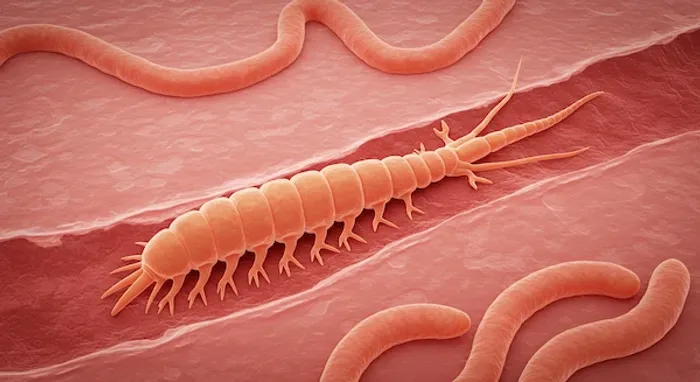
Tapeworm infections, though uncommon, can affect anyone who consumes undercooked or contaminated food. While the thought of having a tapeworm might sound scary, the good news is that most infections are treatable and preventable with the right knowledge and precautions.
What Is a Tapeworm Infection?
Tapeworms are flat, ribbon-like parasites that live in the intestines of humans and animals. They attach themselves to the intestinal walls and absorb nutrients from the food you eat. There are different types of tapeworms, but the most common ones affecting humans include:
- Taenia saginata (beef tapeworm)
- Taenia solium (pork tapeworm)
- Diphyllobothrium latum (fish tapeworm)
How Do You Get a Tapeworm Infection?
Tapeworm infections occur when you consume food or water contaminated with tapeworm eggs or larvae. Common ways of infection include:
- Eating undercooked or raw meat (especially beef, pork, or fish)
- Consuming contaminated water
- Poor hygiene (not washing hands properly after using the toilet or handling raw meat)
- Contact with infected animals (though rare)
Consult Top Specialist
Symptoms of Tapeworm Infection
Many people with tapeworm infections may not experience any symptoms. However, when symptoms do appear, they may include:
- Abdominal pain or discomfort
- Nausea or vomiting
- Diarrhea or constipation
- Unexplained weight loss (due to nutrient loss)
- Weakness or fatigue
- Visible worm segments in stool (small, white, rice-like pieces)
In rare cases, if tapeworm larvae migrate outside the intestines (a condition called cysticercosis), they can cause serious complications like seizures, headaches, or vision problems.
How Is a Tapeworm Infection Diagnosed?
If you suspect a tapeworm infection, consult a doctor. Diagnosis typically involves:
- Stool test (to check for tapeworm eggs or segments)
- Blood test (to detect antibodies in case of cysticercosis)
- Imaging tests (like an ultrasound, MRI, or CT scan if larvae spread to other organs)
Treatment for Tapeworm Infection
The good news is that tapeworm infections are treatable with antiparasitic medications, such as:
- Praziquantel (most common)
- Albendazole (for certain types)
These medications help dissolve the tapeworm, which is then passed out of the body through stool. In severe cases (like cysticercosis), additional treatment may be needed.
How to Prevent Tapeworm Infections
Prevention is always better than cure. Here are some simple steps to reduce your risk:
- Cook meat thoroughly (at least 145°F for whole cuts and 160°F for ground meat)
- Freeze meat properly (freezing at -4°F for at least 24 hours kills tapeworm larvae)
- Wash hands with soap before eating and after handling raw meat
- Wash fruits and vegetables before eating
- Avoid raw or undercooked fish, pork, or beef
- Drink clean, filtered water
When to See a Doctor
If you experience any of the following, seek medical attention:
- Persistent stomach pain or digestive issues
- Unexplained weight loss
- Seeing worm segments in stool
- Symptoms of cysticercosis (seizures, headaches, vision problems)
- Early diagnosis and treatment can prevent complications.
Final Thoughts
While tapeworm infections sound unpleasant, they are usually manageable with proper treatment and hygiene. By following simple food safety measures, you can significantly reduce your risk. If you suspect an infection, don’t hesitate to consult a doctor for timely care.
Need help? If you have concerns about tapeworm infection or related symptoms, you can book a consultation with a specialist on Apollo 24|7 for expert advice and testing.
Consult Top Specialist
Consult Top Specialist


Dr. Jawwad Mohammed Kaleem
General Practitioner
4 Years • MBBS
Hyderabad
Apollo 24|7 Clinic, Hyderabad

Dr Suseela
General Physician
5 Years • MBBS
Bengaluru
Apollo Medical Center, Marathahalli, Bengaluru

Dr. Rajib Ghose
General Physician/ Internal Medicine Specialist
25 Years • MBBS
East Midnapore
VIVEKANANDA SEBA SADAN, East Midnapore

Dr. Mohammed Kamran
General Practitioner
5 Years • MBBS, FIDM
Nashik
Apollo 24|7 Clinic - Maharashtra, Nashik

Dr. Ramalinga Reddy
General Physician
5 Years • MBBS MD General medicine
Bengaluru
PRESTIGE SHANTHINIKETAN - SOCIETY CLINIC, Bengaluru
Consult Top Specialist
Dr. Jawwad Mohammed Kaleem
General Practitioner
4 Years • MBBS
Hyderabad
Apollo 24|7 Clinic, Hyderabad
Dr Suseela
General Physician
5 Years • MBBS
Bengaluru
Apollo Medical Center, Marathahalli, Bengaluru
Dr. Rajib Ghose
General Physician/ Internal Medicine Specialist
25 Years • MBBS
East Midnapore
VIVEKANANDA SEBA SADAN, East Midnapore
Dr. Mohammed Kamran
General Practitioner
5 Years • MBBS, FIDM
Nashik
Apollo 24|7 Clinic - Maharashtra, Nashik
Dr. Ramalinga Reddy
General Physician
5 Years • MBBS MD General medicine
Bengaluru
PRESTIGE SHANTHINIKETAN - SOCIETY CLINIC, Bengaluru