


Tomato Juice in Ayurveda: Benefits, Uses, and Side Effects
Explore tomato juice benefits in an ayurvedic diet—nutrition, best ways to drink it, and side effects. Evidence-based tips for safe, everyday use.

Written by Dr. Rohinipriyanka Pondugula
Reviewed by Dr. J T Hema Pratima MBBS, Fellowship in Diabetes Mellitus
Last updated on 13th Jan, 2026

Introduction
Tomato juice is valued for its bright flavour, smooth texture and impressive nutrient content, and many people are also curious about how it fits into an ayurvedic lifestyle. This guide explains tomato juice benefits supported by modern nutrition science, how Ayurveda traditionally classifies tomatoes, practical ways to enjoy tomato juice wisely and important cautions for certain health conditions. You’ll also find a clear FAQ section and a concise conclusion to help you use tomato juice confidently as part of a balanced diet.
Consult a Top Ayurveda Doctor for Personalised Advice
What Makes Tomato Juice Healthy?
Tomatoes naturally offer a range of beneficial nutrients that make tomato juice a nourishing choice.
Nutrients Found in Tomatoes
- Vitamin C and other antioxidants
- Potassium
- Carotenoids, especially lycopene
- Small amounts of folate and vitamin A precursors
Key Points from Modern Nutrition Research
- Lycopene is an antioxidant concentrated in tomatoes and tomato-based products. Blending and gentle heating, as occurs
in juicing and cooking, helps your body absorb lycopene more easily. Consuming tomatoes with a small amount of healthy fat further supports this process. - Potassium supports the normal function of nerves and muscles and contributes to healthy blood pressure when included
in a balanced overall diet. - Many commercial tomato juices contain added salt, so choosing low-sodium versions is essential to avoid unnecessary
sodium intake.
Top Tomato Juice Benefits (Backed by Research)
Top tomato juice benefits include:
1) Antioxidant Support
- Tomato juice provides vitamin C and lycopene, both of which help protect cells from oxidative stress.
- Higher intakes of tomatoes and lycopene have been associated with certain markers of cardiovascular health. These
findings are observational, but they align with general recommendations to include a variety of plant foods in your diet.
2) Heart-Friendly Nutrients
- The potassium found in tomato juice supports blood pressure balance when combined with a diet low in excess sodium
and rich in fruits and vegetables. - When choosing packaged tomato juice, selecting low-sodium varieties is key to maintaining an appropriate daily salt
intake.
3) Convenient Hydration and Electrolytes
- Tomato juice can contribute to daily fluid intake and provides electrolytes such as potassium. This can be helpful after exercise or in hot weather.
- If you monitor sodium intake, avoid regular tomato juice and choose low-sodium alternatives.
4) Easy Way to Increase Vegetable Intake
- Tomato juice can help some people increase their overall vegetable consumption. Whole vegetables remain the priority for fibre, but a small glass of low-sodium tomato juice can support daily produce goals.
Tomato Juice in an Ayurvedic Diet
Ayurveda, a traditional health philosophy from India, groups foods according to taste and energetic qualities. Tomatoes traditionally fall into categories associated with heat and acidity.
Traditional Ayurvedic View of Tomatoes
- Taste and quality: Considered sour and heating, which may increase Pitta and, for some individuals, Kapha, while
reducing Vata. - Practical note: If you experience symptoms linked to excess internal heat or acidity, such as heartburn, Ayurveda-based
practitioners may recommend moderating tomato intake or pairing tomatoes with ingredients believed to have cooling
qualities.
How to Enjoy Tomato Juice the Ayurvedic Way?
- Balance the heat: Add small amounts of spices such as cumin, coriander, and fresh herbs like coriander leaves to soften acidity.
- Pair with healthy fats: A drizzle of olive oil or blending with avocado helps enhance lycopene absorption and adds
creaminess. - Timing: Many people tolerate tomato juice best when consumed with meals rather than on an empty stomach, especially
if prone to digestive discomfort. - Temperature: Room-temperature or gently warmed preparations may feel more soothing than very cold drinks.
Smart Ways to Use Tomato Juice
Tomato juice is versatile, easy to adapt to different meals and can be incorporated into both everyday cooking and
Ayurvedic-inspired routines. Smart ways include:
Simple, Tasty Ideas
- Breakfast boost: Blend low-sodium tomato juice with cucumber, celery, basil and a squeeze of lemon, finishing with a
teaspoon of olive oil for improved lycopene absorption. - Savoury snack: Sip a small glass of low-sodium tomato juice alongside raw vegetables or a light protein source.
- Light lunch: Use tomato juice as the base for quick vegetable soups with spinach, carrots and herbs, adding a drizzle of
olive oil before serving. - Post-workout option: A small serving can help replenish fluids and potassium. Choose low-sodium versions and pair with protein.
- Cooking shortcut: Use tomato juice in stews, lentils or sauces to add flavour and nutrients quickly, adjusting spices to
your preference.
Side Effects and Who Should Be Cautious
Tomato juice suits most people, but certain groups may need to take extra care. The side effects and caution points include:
Acid Reflux / GERD
- Tomato products are acidic and can trigger heartburn in some individuals.
- Avoid drinking tomato juice late in the evening if reflux symptoms are common.
Sodium Content
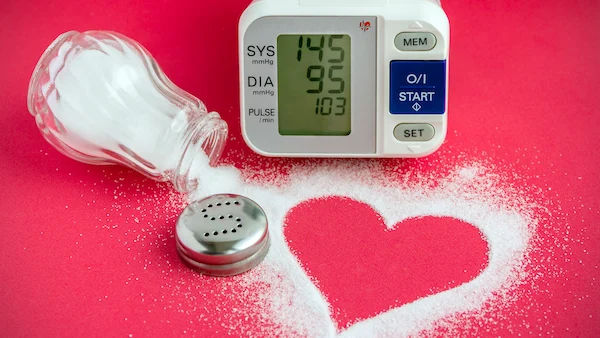
- Many packaged tomato juices contain high sodium levels.
- Those monitoring blood pressure should choose low-sodium options and be mindful of total daily salt intake.
Potassium and Kidney Health
- Tomato juice is relatively high in potassium.
- People with chronic kidney conditions or those advised to limit potassium should consult their clinician before regular
consumption.
Allergies and Sensitivities
- Some individuals experience allergic reactions to tomatoes.
- People who avoid nightshades due to sensitivities should monitor their body’s response and seek medical advice if
needed.
Unpasteurised Juice
- Unpasteurised tomato juice may contain harmful microbes.
- Vulnerable groups should select pasteurised products for safety.
How to Buy, Store and Prepare Tomato Juice Safely?
Tips for buying, storing and preparing tomato juice are:
Smart Selection and Storage
- Read the label: Choose “low-sodium” or “no salt added” versions and avoid added sugars or unnecessary flavourings.
- Choose pasteurised: Safer for young children, older adults, pregnant individuals and anyone with weakened immunity.
- Handle produce safely if juicing at home: Wash tomatoes and equipment thoroughly.
- Store correctly: Keep opened juice refrigerated and consume within a few days.
- Balancing the diet: Tomato juice is a complement to, not a replacement for, whole vegetables.
Practical Tips to Get the Most from Tomato Juice
Practical tips for tomato juice are:
Everyday Guidance
- Start small: Increase portions gradually if you’re unsure how well you tolerate acidic foods.
- Pair with meals: This may reduce digestive discomfort for some people.
- Add healthy fats: Olive oil, avocado or tahini support lycopene absorption.
- Spice wisely: Cumin, coriander, ginger, and basil add flavour and may ease digestion.
- Rotate vegetables: Combine tomato juice with other vegetables for a broad nutrient intake.
- Hydrate sensibly: Water remains your main drink; tomato juice works well as an occasional savoury option.
- Individualised approach: Adjust spices and quantities based on your constitution and digestion.
Key Takeaways
- Tomato juice offers antioxidants, potassium and a practical way to increase vegetable intake.
- In Ayurvedic terms, tomatoes are sour and heating; balancing them with cooling spices may help those prone to acidity.
- Low-sodium, pasteurised versions are generally the best choice.
- People with reflux, kidney issues or tomato allergies should take extra care.
- Tomato juice works best as part of a varied, minimally processed eating pattern.
Consult a Top Ayurveda Doctor for Personalised Advice
Consult a Top Ayurveda Doctor for Personalised Advice

Dr. Shiv Prakash Singh
Ayurveda Practitioner
19 Years • BAMS
Kolkata
Vedhive Ayurveda College Street, Kolkata

(50+ Patients)

Dr. Anjan Das
Ayurveda Practitioner
8 Years • Ayurvedacharya ( B.A.M.S )
Dumdum
Vedhive Ayurveda Clinic, Dumdum

Dr. Rik Sadhukhan
Ayurveda Practitioner
8 Years • BAMS
Kolkata
Vedhive Ayurveda, Ballygunge, Kolkata
Consult a Top Ayurveda Doctor for Personalised Advice
Dr. Shiv Prakash Singh
Ayurveda Practitioner
19 Years • BAMS
Kolkata
Vedhive Ayurveda College Street, Kolkata
(50+ Patients)
Dr. Anjan Das
Ayurveda Practitioner
8 Years • Ayurvedacharya ( B.A.M.S )
Dumdum
Vedhive Ayurveda Clinic, Dumdum
Dr. Rik Sadhukhan
Ayurveda Practitioner
8 Years • BAMS
Kolkata
Vedhive Ayurveda, Ballygunge, Kolkata
More articles from General Medical Consultation




Frequently Asked Questions
Q1: Is tomato juice good for weight loss?
Tomato juice is generally low in calories and can be a refreshing savoury substitute for sugary drinks. It may support weight management when used in moderation and paired with whole foods. Your overall diet pattern and activity levels remain the most important factors.
Q2: Can I drink tomato juice every day?
Many people enjoy a small daily serving of low-sodium tomato juice. If you have GERD, kidney issues or sensitivity to acidic foods, consult your clinician and monitor your body’s response.
Q3: Does processing reduce nutrients in tomato juice?
Heating may lower some vitamin C content, but it often increases lycopene availability. Combining tomatoes with a small amount of healthy fat enhances absorption.
Q4: Is tomato juice safe during pregnancy?
Pasteurised tomato juice is generally considered safe. Those who experience heartburn may prefer smaller servings with meals. Avoid unpasteurised juice.
Q5: What is the best time to drink tomato juice in an ayurvedic diet?
Midday, with food, is often suggested for better digestion. Individuals who experience heat or acidity may prefer smaller amounts and use cooling herbs or spices.