


Top Alkaline Foods to Prevent Cancer, Obesity, and Heart Disease
Discover top alkaline foods and how a plant-rich diet supports disease prevention, weight control, and heart health—backed by trusted medical sources.


Introduction
If you have come across the idea of alkaline foods and wondered whether they can genuinely help prevent disease, you are not alone. The concept often appears in wellness discussions, usually claiming that eating more alkaline-forming foods can change the body’s pH and offer protection against health problems. In reality, the body maintains blood pH within an extremely narrow range regardless of what you eat. However, the eating pattern typically promoted by alkaline diet advocates is rich in vegetables, fruits, legumes, nuts, seeds, herbs and minimally processed foods. This plant-forward style of eating is supported by strong scientific evidence showing benefits for heart health, metabolic balance, weight management and long-term wellbeing.
The real value lies not in changing pH but in increasing nutrient-dense, fibre-rich foods that naturally support overall health. Below, you will find a clear explanation of what science actually shows, the top foods to include, practical daily strategies, answers to common questions and a sample menu to help you get started.Consult a Top General Practitioner for Personalised Advice
How Alkaline Foods Fit into Disease Prevention: What Science Really Shows
Here is the list of alkaline foods which help in disease prevention and more:
- The body keeps blood pH within a tightly controlled range. Food does not make your blood alkaline, and the body’s systems prevent major fluctuations.
- Diets rich in vegetables, fruits, legumes, nuts and seeds are consistently linked with lower risk of heart disease, better weight management and reduced risk for certain cancers.
- These foods provide fibre, potassium, magnesium and a wide range of antioxidants and phytochemicals. These nutrients support blood pressure, cholesterol levels, gut health and satiety, all of which contribute to long-term disease prevention.
- Leading health organisations advise eating a variety of vegetables and fruits while limiting processed meats, refined grains, sodium and added sugars.
Key Takeaways
- Eating more foods commonly labelled as alkaline is a practical way to build a nutrient-rich, plant-forward diet linked with better long-term health.
- The focus should be on the overall dietary pattern, not the pH of foods. Aim for whole, minimally processed ingredients most of the time.
Top Alkaline Foods to Put on Your Plate
These foods are consistent with the principles of the alkaline diet and align with modern, evidence-based nutrition guidance. Top alkaline foods include:
Leafy Greens: Spinach, Kale, Arugula, Romaine, Swiss Chard
- Why they help: Leafy greens are very low in calories yet high in fibre, vitamin K, folate and potassium. Potassium helps counterbalance the effects of sodium on blood pressure, supporting cardiovascular health.
- Easy ways to eat more: Add a handful to omelettes, soups, smoothies, grain bowls and sandwiches for an effortless nutrient boost.
Cruciferous Vegetables: Broccoli, Cauliflower, Brussels Sprouts, Cabbage
- Why they help: These vegetables contain fibre, vitamin C and plant compounds studied for potential cancer-protective effects. Higher fibre intake also helps reduce cholesterol and maintain a healthy body weight.
- Easy ways to eat more: Roast with olive oil and herbs, toss into stir-fries or blend into creamy vegetable soups.
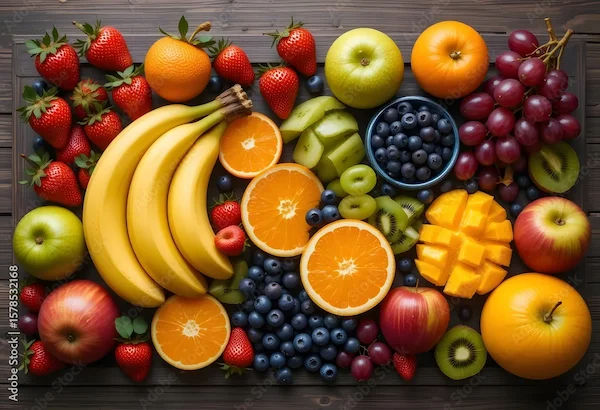
Colourful Fruits: Berries, Citrus, Apples, Pears, Kiwi
- Why they help: Fruits supply vitamin C, polyphenols and fibre. Many studies link regular fruit intake with reduced cardiovascular risk. They can also satisfy sweet cravings without relying on high-sugar processed snacks.
- Easy ways to eat more: Keep frozen berries for quick smoothies, pack an apple or orange as a simple snack or add fruit to salads and yoghurt.
Legumes: Beans, Lentils, Chickpeas, Peas
- Why they help: Legumes are high in fibre and plant protein, supporting fullness, weight control and healthy cholesterol levels. They are central to heart-healthy and long-lived dietary patterns around the world.
- Easy ways to eat more: Replace half the meat in tacos or chilli with beans, use lentils in grain salads or enjoy hummus as a dip or sandwich spread.
Nuts and Seeds: Almonds, Walnuts, Pistachios, Chia, Flax, Pumpkin Seeds
- Why they help: Nuts and seeds provide fibre, healthy unsaturated fats and important micronutrients. Regular consumption is associated with better heart health when used instead of refined snacks.
- Easy ways to eat more: Sprinkle on oatmeal, salads and yoghurt, use nut butters or enjoy a small handful as a satisfying snack. Keep portions moderate since they are calorie-dense.
Herbs, Spices and Aromatics: Garlic, Ginger, Turmeric, Basil, Parsley, Coriander
- Why they help: These ingredients add strong flavour without relying on salt or sugary sauces. Many contain antioxidants and bioactive compounds being studied for their health-supportive properties.
- Easy ways to eat more: Use fresh herbs generously, season meals with spices instead of extra salt, and add garlic or ginger to stir-fries, soups and sauces.
Root Vegetables and Tubers: Sweet Potatoes, Beets, Carrots
- Why they help: These vegetables offer fibre, potassium, beta carotene and various antioxidants. Replacing highly processed starches with nutrient-rich root vegetables improves the quality of your overall diet.
- Easy ways to eat more: Roast a tray of mixed vegetables for the week, mash sweet potatoes, or add shredded carrots to salads and wraps.
Mushrooms: Cremini, Portobello, Shiitake, Oyster
- Why they help: Mushrooms are low in calories and provide B vitamins and bioactive compounds. They offer a savoury depth that can help reduce meat intake and lower saturated fat in meals.
- Easy ways to eat more: Sauté mushrooms as a topping for burgers, roast them alongside vegetables or add them to pasta, stir-fries and soups.
Note on Whole Grains and Dairy
- Some alkaline-diet versions discourage grains and dairy, but evidence shows that whole grains like oats, quinoa and brown rice support heart health and weight balance when they replace refined grains.
- If you include dairy, focus on mostly unsweetened, lower-fat varieties. A balanced dietary pattern matters more than rigid alkaline rules.
Simple, Everyday Tips to Eat More Alkaline Foods
Some simple everyday tips to eat more alkaline foods are:
- Make half your plate vegetables and fruits at most meals.
- Build meals around beans or lentils several times a week.
- Swap refined grains for whole grains or legume-based alternatives.
- Choose nuts or fruit instead of highly processed snacks.
- Use herbs, spices, citrus, garlic and olive oil for flavour rather than heavy sauces.
- Drink water or unsweetened tea while limiting sugary drinks and high-sodium processed foods.
- These steps encourage a plant-forward dietary pattern without needing to follow strict alkaline charts.
How pH, Alkaline Water and Testing Play a Role?
Here is the list of how pH, alkaline water and testing play a role in preventing diseases:
- The body’s lungs and kidneys regulate blood pH, and dietary choices cannot change this balance.
- Diet can affect urine pH, but this does not relate to blood pH or cancer risk.
- There is no strong evidence that alkaline water prevents disease. Staying well hydrated is beneficial whether you choose regular or alkaline water.
- People with kidney disease or those on certain medications should speak with a healthcare professional before making significant changes to potassium- or magnesium-rich foods, as individual needs may vary.
One-Day Plant-Forward Sample Menu
The sample menu includes:
Breakfast: Oatmeal topped with chia seeds, blueberries and walnuts, served with green tea
Lunch: A large salad with mixed greens, chickpeas, cherry tomatoes, cucumbers, avocado and a lemon olive oil dressing, with a side of quinoa
Snack: Apple slices with almond butter
Dinner: Roasted salmon or tofu served with broccoli and sweet potato, plus sautéed mushrooms with garlic
Dessert (optional): Fresh orange or a few squares of dark chocolate
This sample menu highlights foods often described as alkaline while reflecting a balanced, evidence-based dietary pattern.
Conclusion
A diet centred on foods commonly described as alkaline is essentially a plant-forward, minimally processed eating pattern supported by strong scientific research. The benefits do not come from altering blood pH but from increasing your intake of vegetables, fruits, legumes, nuts, seeds and whole grains. These foods support heart health, metabolic balance, gut function and long-term disease prevention. By focusing on whole ingredients, reducing highly processed items and choosing water or unsweetened beverages, you create a sustainable approach to wellbeing. Over time, these everyday choices add up, making a meaningful difference to your overall health.Consult a Top General Practitioner for Personalised Advice
Consult a Top General Practitioner for Personalised Advice

Dr Syed Mateen Pasha
General Physician
2 Years • MBBS
Bengaluru
PRESTIGE SHANTHINIKETAN - SOCIETY CLINIC, Bengaluru

Dr. Vivek D
General Physician
4 Years • MBBS
Bengaluru
PRESTIGE SHANTHINIKETAN - SOCIETY CLINIC, Bengaluru

Dr. Anand Ravi
General Physician
2 Years • MBBS, FEM
Bengaluru
PRESTIGE SHANTHINIKETAN - SOCIETY CLINIC, Bengaluru


Dr. Syed Ismail Ali
General Practitioner
7 Years • MBBS
Hyderabad
Apollo 24|7 Clinic, Hyderabad

Dr. Debajyoti Goswami
Obstetrician and Gynaecologist
10 Years • MBBS,D.G.O(DNB),Adv. Infertility Tech.(AIIMS, Delhi),Fellowship in Diabetes(U.K),Comprehensive Abortion Care(Govt. Of W.B), Certificate in Clinical Embryology(AIIMS, BHUBANESWAR)
Bankura
D.G Clinic, Bankura

(25+ Patients)
Consult a Top General Practitioner for Personalised Advice
Dr Syed Mateen Pasha
General Physician
2 Years • MBBS
Bengaluru
PRESTIGE SHANTHINIKETAN - SOCIETY CLINIC, Bengaluru
Dr. Vivek D
General Physician
4 Years • MBBS
Bengaluru
PRESTIGE SHANTHINIKETAN - SOCIETY CLINIC, Bengaluru
Dr. Anand Ravi
General Physician
2 Years • MBBS, FEM
Bengaluru
PRESTIGE SHANTHINIKETAN - SOCIETY CLINIC, Bengaluru
Dr. Syed Ismail Ali
General Practitioner
7 Years • MBBS
Hyderabad
Apollo 24|7 Clinic, Hyderabad
Dr. Debajyoti Goswami
Obstetrician and Gynaecologist
10 Years • MBBS,D.G.O(DNB),Adv. Infertility Tech.(AIIMS, Delhi),Fellowship in Diabetes(U.K),Comprehensive Abortion Care(Govt. Of W.B), Certificate in Clinical Embryology(AIIMS, BHUBANESWAR)
Bankura
D.G Clinic, Bankura
(25+ Patients)
More articles from General Medical Consultation




Frequently Asked Questions
1) Do alkaline foods change your blood pH?
No. Blood pH is controlled by the lungs and kidneys, not by the food you eat. Diet can change urine pH, but this has no impact on blood pH. The benefits of an alkaline-style eating pattern come from eating more plant foods linked with better metabolic and heart health.
2) Can alkaline foods prevent cancer?
No single food can prevent cancer. However, eating plenty of vegetables, fruits, legumes and whole grains, maintaining a healthy weight, being active and avoiding smoking are all associated with reduced cancer risk. The overall eating pattern matters far more than pH.
3) Are citrus fruits alkaline or acidic, and should I avoid them?
Citrus fruits taste acidic, but that does not mean they harm health. They contain vitamin C, potassium and antioxidants and can fit easily into a pattern that supports disease prevention.
4) Should I avoid acidic foods such as tomatoes or yoghurt?
Not necessarily. Tomatoes, yoghurt and similar foods are nutritious and can be part of a balanced diet. Instead of avoiding them, aim to limit highly processed foods high in sodium, added sugar and refined grains.
5) Is alkaline water better than regular water?
There is no strong evidence that alkaline water offers additional health benefits. The most important thing is to stay well hydrated. If you enjoy the taste and it suits your budget, it is fine, but plain water works just as well.