


Turmeric Milk: Health Benefits
Learn what turmeric milk is, evidence-based benefits, how to make it, safety tips, and FAQs. Simple guide to enjoy golden milk wisely.

Written by Dr. Md Yusuf Shareef
Reviewed by Dr. Rohinipriyanka Pondugula MBBS
Last updated on 13th Jan, 2026
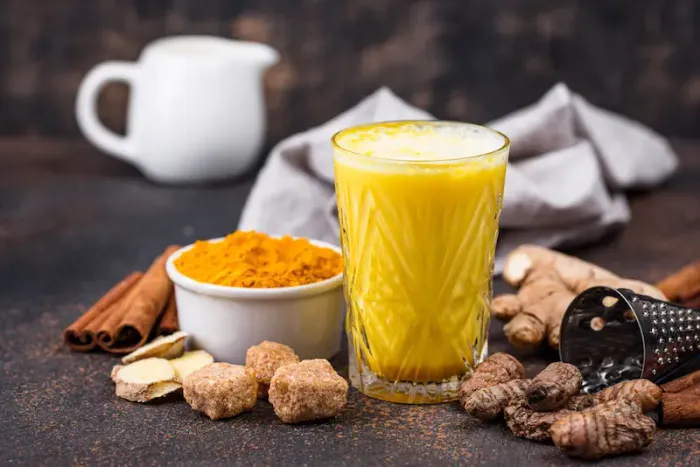
Introduction
Turmeric milk, often called “golden milk,” is a warm, spiced drink made with milk (dairy or plant-based) and turmeric. It’s popular for its comforting taste and the potential wellness benefits of turmeric’s active compounds. But what does science really say? This guide explains what’s known, what isn’t, how to make it, who should be cautious, and how to enjoy it as part of a balanced lifestyle.
What Is Turmeric Milk (Golden Milk)?
Turmeric milk is a traditional beverage made by simmering milk with ground turmeric. Many people also add a pinch of black pepper, which can help your body absorb curcumin, the main bioactive compound in turmeric, more effectively. Optional additions include ginger, cinnamon, cardamom, and a small amount of sweetener if desired.
• Base: Dairy milk provides protein, calcium, and (if fortified) vitamin D. Unsweetened, fortified plant milks (such as soy or almond) are good alternatives if you’re lactose intolerant or prefer a vegan option.
• Spice: Ground turmeric is easiest to use; fresh turmeric root works too. The bright yellow color comes from curcumin.
• Absorption tip: A pinch of black pepper and a little fat (naturally present in dairy milk or added with a few drops of oil) can improve curcumin absorption.
Science-Backed Benefits in Simple Terms
Research on turmeric focuses mostly on curcumin extracts in supplements, often at higher doses than you’d get from a cup of golden milk. Even so, regularly enjoying turmeric as a culinary spice can contribute to a healthy dietary pattern. Here’s what reputable sources say.
Anti-Inflammatory and Antioxidant Support
• Turmeric contains curcumin, which shows anti-inflammatory and antioxidant activity in lab and animal studies. Human studies suggest curcumin may modestly help with inflammation-related symptoms, though results vary and curcumin is not well absorbed on its own.
• Adding black pepper (piperine) and a bit of fat can improve curcumin’s bioavailability. This is one reason golden milk recipes often include pepper.
• What this means for you: Turmeric milk can be a soothing way to include a spice with antioxidant and anti-inflammatory properties in your diet, but it’s not a treatment for medical conditions.
Joint Comfort and Osteoarthritis
• Some clinical trials of curcumin supplements show small to moderate improvements in osteoarthritis pain and function compared with placebo. Study quality and dosages vary.
• A home beverage won’t match higher-dose supplements, but it can still be a pleasant part of a joint-friendly lifestyle that includes physical activity, a balanced diet, and individualized medical care.
Digestive Comfort
• Turmeric has a long history of culinary use for digestive comfort. Modern evidence is mixed, but some people report that warm, spiced milk settles the stomach. If you have gallbladder disease or certain digestive conditions, see the safety section before trying it. Consult a Top General Physician
Nutrition From The Milk Base
Dairy milk offers protein, calcium, potassium, and (if fortified) vitamin D, which support bone and muscle health. Fortified plant milks can offer similar nutrients with fewer calories if you choose unsweetened varieties. The drink itself is not a cure-all; its benefits come from being part of an overall nutritious diet.
How to Make Turmeric Milk at Home?
A simple, flexible recipe you can adjust to taste as follows:
Ingredients (1 serving)
• 1 cup (240 ml) milk of choice (use pasteurized milk; choose fortified, unsweetened plant milk if dairy-free)
• 1/2 teaspoon ground turmeric
• Pinch of freshly ground black pepper
• Optional: 1/4 teaspoon ground ginger, 1/8 teaspoon cinnamon, 1/2 teaspoon vanilla extract
• Optional sweetener to taste (e.g., a small amount of honey or maple syrup; never give honey to children under 1 year)
Directions
1) Heat the milk in a small saucepan over medium-low heat.
2) Whisk in turmeric and black pepper. Add optional spices if you like.
3) Simmer gently for 3–5 minutes, stirring to prevent sticking. Do not boil vigorously.
4) Sweeten lightly, if desired. Pour into a mug and enjoy the warmth.
Quick Tips
• Start with 1/4 teaspoon turmeric if you’re new to the flavor, then increase to taste.
• If using very low-fat milk, add a few drops of a neutral oil or use a milk with some fat to aid curcumin absorption.
• For convenience, premix a dry “golden spice” blend (turmeric, pepper, ginger, cinnamon) and store in a sealed jar.
Safety, Side Effects, and Who Should Avoid It?
Turmeric used as a cooking spice is generally considered safe for most healthy adults. Still, some people should use caution.
Possible Side Effects
• Digestive upset: Large amounts of turmeric can cause stomach discomfort in some people.
• Reflux: Spices may aggravate symptoms in those with reflux or sensitive stomachs.
Medication Interactions and Health Conditions
• Blood thinners and antiplatelet drugs: Turmeric and piperine (from black pepper) may increase bleeding risk when combined with medications like warfarin, apixaban, clopidogrel, or high-dose aspirin. Talk with your clinician before making turmeric milk a daily habit if you take these.
• Gallbladder disease: Turmeric may worsen gallbladder problems in some people. Avoid or use only with medical guidance if you have gallstones or bile duct issues.
• Diabetes medications: Curcumin may affect blood sugar; consult your clinician if you use diabetes medicines.
• Kidney stones: High supplemental doses of turmeric can raise urinary oxalate; if you have a history of kidney stones, discuss with a clinician before regular use.
• Pregnancy and breastfeeding: Culinary amounts are generally considered safe. Avoid high-dose turmeric or curcumin supplements unless your obstetric provider approves.
Food Safety
• Choose pasteurized milk (avoid raw milk, which carries infection risks).
• If sweetening with honey, remember: never give honey to infants under 12 months due to the risk of infant botulism.
How To Get The Most From This Drink?
To maximize the health benefits and enjoyment of your drink (likely referring to a golden milk or similar preparation), follow these practical guidelines:
• Pair turmeric with pepper and a little fat to help absorption.
• Keep added sugars low; enjoy natural sweetness from milk or use the smallest amount of sweetener needed.
• Choose fortified milks to support calcium and vitamin D intake.
• Enjoy it as part of a balanced eating pattern rich in fruits, vegetables, legumes, whole grains, nuts, and seeds.
• If you’re managing a health condition or take prescription medications, get personalized advice from your healthcare professional.
Who Might Benefit Most?
This comforting, spiced drink (likely Golden Milk/Turmeric Latte) offers general wellness benefits, but certain individuals may find it particularly helpful:
• People seeking a comforting, lower-caffeine evening beverage
• Those looking to add more spices with antioxidant properties to their diet
• Individuals aiming for small, sustainable dietary additions rather than high-dose supplements
Who Should Talk to a Clinician First?
While generally safe in food amounts, the concentration of spices like turmeric can interact with certain medications and conditions. Consult a healthcare professional first if you are:
• Anyone on blood thinners or antiplatelet medications
• People with gallbladder disease or a history of kidney stones
• Individuals with diabetes on medication
• Pregnant or breastfeeding individuals considering regular or increased intake
• Children with allergies or special dietary needs (for kids, start with small amounts and avoid honey under 1 year)
Turmeric Milk vs. Supplements
When choosing how to incorporate turmeric into your routine, the decision between a traditional drink and a capsule largely depends on the desired concentration and potential interactions:
• Dose: Supplements provide much higher curcumin doses used in many studies. A home drink contains lower amounts but may still be a pleasant and supportive choice.
• Safety: Food-based intake tends to have fewer side effects than concentrated supplements, especially for those on medications or with certain conditions.
• Talk to your clinician before starting any turmeric/curcumin supplement, particularly if you take other medications.
Simple Ways to Customise
This versatile drink can be easily tailored to suit your preference, time of day, and season:
• For creaminess: Use dairy milk with some fat or barista-style plant milk.
• For warmth: Add ginger and a pinch of cinnamon.
• For caffeine-free “latte” vibes: Froth the milk before serving.
• For summer: Chill and serve over ice (shake well; spices settle). Consult a Top General Physician
Consult a Top General Physician

Dr. Anand Ravi
General Physician
2 Years • MBBS, FEM
Bengaluru
PRESTIGE SHANTHINIKETAN - SOCIETY CLINIC, Bengaluru

Dr. Dhanraj K
General Physician/ Internal Medicine Specialist
25 Years • MBBS, MD Internal Medicine - Osmania Medical College, Hyderabad
Hyderabad
Apollo Hospitals Jubilee Hills, Hyderabad

(450+ Patients)

Dr. Harshendra Jaiswal
General Physician/ Internal Medicine Specialist
12 Years • MBBS , MD (General medicine)
Kolkata
108 DHANA DHANVANTARI Clinic, Kolkata
(25+ Patients)

Dr. Vivek D
General Physician
4 Years • MBBS
Bengaluru
PRESTIGE SHANTHINIKETAN - SOCIETY CLINIC, Bengaluru

Dr Syed Mateen Pasha
General Physician
2 Years • MBBS
Bengaluru
PRESTIGE SHANTHINIKETAN - SOCIETY CLINIC, Bengaluru
Consult a Top General Physician
Dr. Anand Ravi
General Physician
2 Years • MBBS, FEM
Bengaluru
PRESTIGE SHANTHINIKETAN - SOCIETY CLINIC, Bengaluru
Dr. Dhanraj K
General Physician/ Internal Medicine Specialist
25 Years • MBBS, MD Internal Medicine - Osmania Medical College, Hyderabad
Hyderabad
Apollo Hospitals Jubilee Hills, Hyderabad
(450+ Patients)
Dr. Harshendra Jaiswal
General Physician/ Internal Medicine Specialist
12 Years • MBBS , MD (General medicine)
Kolkata
108 DHANA DHANVANTARI Clinic, Kolkata
(25+ Patients)
Dr. Vivek D
General Physician
4 Years • MBBS
Bengaluru
PRESTIGE SHANTHINIKETAN - SOCIETY CLINIC, Bengaluru
Dr Syed Mateen Pasha
General Physician
2 Years • MBBS
Bengaluru
PRESTIGE SHANTHINIKETAN - SOCIETY CLINIC, Bengaluru
More articles from General Medical Consultation




Frequently Asked Questions
1. How often can I drink turmeric milk?
Most people can enjoy a cup daily as part of a balanced diet. If you’re on medications (especially blood thinners) or have gallbladder disease, diabetes, or a history of kidney stones, check with your clinician first.
2. Does it “boost immunity” or prevent colds?
There’s no strong evidence that turmeric milk prevents infections. However, it contains spices with antioxidant properties and can be a comforting, hydrating drink alongside proven measures like vaccination, handwashing, rest, and a nutrient-rich diet.
3. Is it OK for children?
In small amounts, yes, if they tolerate the spices. Use pasteurized milk and avoid honey for children under 1 year. If your child has allergies, reflux, or a medical condition, ask a pediatrician before introducing new spiced drinks.
4. Is fresh turmeric better than ground?
Both work. Fresh turmeric has a bright, earthy flavor; ground turmeric is convenient and consistent. Curcumin content can vary by product. Including a pinch of black pepper and some fat helps with absorption in either case.
5. What time of day is best?
Any time you enjoy it. Many people like it in the evening because it’s warm and caffeine-free. If you have reflux, avoid drinking it right before lying down.