


Tzatziki Sauce: Is It Healthy? Research-Based Nutrition Facts
Is tzatziki healthy? Learn research-based nutrition facts about this Greek yoghurt sauce, plus tips to choose or make a better-for-you dip.

Written by Dr. Dhankecha Mayank Dineshbhai
Reviewed by Dr. J T Hema Pratima MBBS, Fellowship in Diabetes Mellitus
Last updated on 13th Jan, 2026
Introduction: Why Tzatziki Health Matters
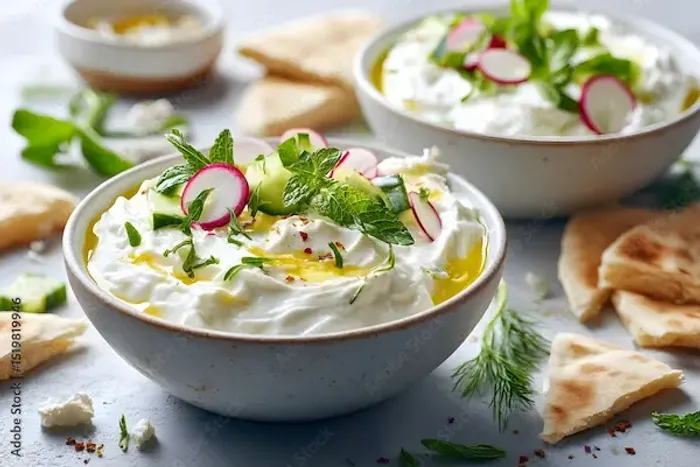
Tzatziki is a cool, creamy Greek yoghurt sauce made with strained yoghurt, cucumber, garlic, lemon and herbs. A favourite in Mediterranean cuisine, it is often used as a dip for vegetables and pita or as a sauce for grilled meat, fish and plant-based mains. If you are trying to eat more mindfully, reduce reliance on heavy dressings or find a smarter alternative to mayonnaise and sour cream, tzatziki is a practical and flavourful choice. Understanding tzatziki health benefits, possible drawbacks and how to choose or make a healthier version can help you enjoy this Greek yoghurt sauce as part of a balanced, nourishing eating pattern.
Consult a Top Nutritionist for Personalised Advice
What Is Tzatziki?
Tzatziki is traditionally made from:
- Greek yoghurt (strained for a thick, creamy texture)
- Grated cucumber (often salted and drained)
- Garlic
- Lemon juice or vinegar
- Fresh herbs such as mint or dill
- Olive oil (optional and usually a small amount)
- Salt and pepper
This straightforward list of ingredients is one reason tzatziki is naturally lighter than many creamy dips or dressings, especially those made with sour cream, cream cheese or mayonnaise.
Tzatziki Health at a Glance: Benefits You Can Expect
Although recipes vary, tzatziki tends to have a favourable nutritional profile. It can be nutrient-dense while still feeling
indulgent because of its rich texture and aromatic ingredients.
Protein Support from Greek Yoghurt
Greek yoghurt contains more protein than regular yoghurt because liquid whey is removed during straining. This protein
supports satiety, helps maintain muscle mass and adds substance to a condiment that might otherwise be mainly fat and
calories. Tzatziki's health benefits often begin with this protein boost, which can transform a simple dip into a more
satisfying part of a meal.
Calcium and Essential Micronutrients
Greek yoghurt provides calcium, which supports normal bone, nerve and muscle function. It also offers B vitamins and
potassium. These nutrients play roles in energy metabolism, electrolyte balance and overall well-being. A few spoonfuls
of tzatziki may meaningfully contribute to your daily intake when used regularly.
Potential Live Cultures
Some yoghurts include live and active cultures. These beneficial bacteria survive the fermentation process and may
support gut health. Whether your tzatziki contains them depends on the specific yoghurt used. Not all Greek yoghurts
maintain live cultures after processing, so labels should be checked carefully.
Lighter Than Many Creamy Dips
Because tzatziki relies on Greek yoghurt rather than full-fat dairy products or emulsified oils, it is generally:
- Lower in calories per serving
- Lower in saturated fat
- Higher in protein
As a replacement for heavier dips, tzatziki can help reduce calorie and fat intake without sacrificing flavour or creaminess.
Rich Flavour from Fresh Ingredients
Garlic, lemon juice, cucumber and herbs offer vibrant flavour and aroma with minimal calories. This makes tzatziki an
effective way to elevate meals while keeping them nutritionally balanced.
How does this Greek Yoghurt Sauce compare to Other Creamy Dips?
Tzatziki often compares favourably to dips such as ranch, blue cheese dressing, creamy garlic sauces and mayonnaise-based spreads. In many recipes:
- The calorie content per tablespoon is lower.
- Protein content is higher.
- Saturated fat content is reduced.
- Ingredients are simpler and more recognisable.
However, portion control is still important. Even a healthier dip can become excessive when consumed in large amounts or combined with high-calorie foods like fried snacks or large portions of bread.
Potential Downsides: What to Watch
Although tzatziki is generally wholesome, a few considerations can help you choose or prepare a healthier version.
Sodium Content
Salt enhances flavour but can be used liberally in some ready-made versions. High sodium intake is associated with
increased blood pressure, so those watching their salt intake may prefer:
- Lower-sodium brands
- Homemade tzatziki with minimal added salt
- A greater emphasis on herbs and lemon for flavour
Saturated Fat
Full-fat Greek yogurt contains more saturated fat. While moderate amounts can fit within a healthy diet, many health guidelines encourage reducing saturated fat for cardiovascular health. Using nonfat or 2% Greek yogurt reduces this considerably.
Lactose and Dairy Sensitivity
Greek yogurt is lower in lactose than many dairy products, but it is not lactose-free. Many people with lactose intolerance
tolerate Greek yogurt well, but sensitivity varies. Dairy-free Greek-style yogurts made from soy, coconut or almond can
be used, though their protein content may differ significantly.
Allergies and Intolerances
Tzatziki contains:
- Dairy (potential allergen)
- Garlic (can trigger reflux or digestive discomfort in some individuals)
- Lemon (may be irritating for those sensitive to acidic foods)
Adjustments such as reducing garlic or choosing lactose-free yogurt may help.
Is This Greek Yoghurt Sauce Good for Heart Health?
Tzatziki can align well with heart-healthy dietary patterns, especially when made thoughtfully. A heart-conscious version
typically includes:
- Low-fat or nonfat Greek yoghurt
- Minimal added oil
- Plenty of herbs and lemon to reduce the need for salt
This approach supports a Mediterranean-style way of eating, which is associated with favourable cardiovascular outcomes. While tzatziki itself is not a treatment or cure, it is a condiment that adds flavour without excessive fat, sugar or additives.
Does Tzatziki Have Probiotics?
Whether tzatziki contains probiotics depends entirely on the yoghurt used. Look for:
- “Live and active cultures” on the yoghurt label
- No mention of heat-treatment after fermentation
- Ingredients lists free of excessive additives that may alter culture viability
Homemade tzatziki is more likely to contain active cultures because you can choose a high-quality yoghurt.
How to Choose a Healthier Store-Bought Tzatziki?
Tzatziki products can vary, so checking labels ensures you select a nutritious option. The options to choose include:
Look for a Short Ingredient List
Aim for versions containing:
- Yogurt
- Cucumber
- Lemon
- Garlic
- Herbs
- Salt and pepper
- Possibly a small amount of olive oil
Seek Live Cultures
If probiotic benefits are important to you, check for clear labelling about live and active cultures.
Compare Saturated Fat Values
Low-fat or nonfat yoghurt will reduce saturated fat levels. Choose based on your dietary goals.
Check Sodium Content
Different brands can vary significantly. Opt for the lower-sodium choice when possible.
Avoid Added Sugars
Traditional tzatziki is savoury. Added sugar is unnecessary and best avoided.
Make a Better-for-You Tzatziki at Home
Homemade tzatziki gives you complete control over fat, salt and flavour. It also allows you to choose a yoghurt that suits
your dietary needs. The methodology includes:
Basic Tzatziki Method
- Base: Choose nonfat or 2% Greek yoghurt to reduce saturated fat while keeping a creamy texture. Full-fat versions can be
used occasionally if you prefer extra richness. - Cucumber: Grate an English or Persian cucumber, sprinkle with a little salt and allow it to drain for 10–15 minutes.
Squeeze out excess liquid to prevent a watery sauce. - Flavour: Add minced garlic, chopped fresh dill or mint, lemon juice and black pepper. Use lemon zest for extra
brightness without adding more liquid. - Fat: Add only a small drizzle of extra-virgin olive oil if you enjoy the flavour. Keeping the amount modest helps limit
calories. - Salt: Season lightly and adjust at the end. Often, lemon and herbs provide enough flavour without heavy salting.
- Chill: Let the mixture rest in the fridge for at least 30 minutes to help flavours meld.
Smart Variations
- Extra vegetables: Stir in finely chopped spinach, grated carrot or very finely diced red pepper for colour and extra fibre.
- Lactose-conscious option: Use lactose-free Greek-style yoghurt. Many brands now offer strained, thick, lactose-free versions.
- Dairy-free version: Use a plain, thick, unsweetened plant-based yoghurt. Coconut-based yoghurts will create a richer
flavour; soy varieties tend to offer more protein. Check labels for calcium and protein content, as these vary widely.
How Tzatziki Fits into a Mediterranean-Style Pattern?
The Mediterranean diet is known for emphasising vegetables, fruit, legumes, whole grains, fish, olive oil and herbs. Tzatziki integrates seamlessly into this eating pattern because it offers:
- A lighter alternative to heavy condiments
- A boost of protein without excess fat
- Fresh herbs and vegetables
- A convenient way to add flavour to plant-forward meals
Easy Ways to Use Tzatziki
Easy ways to use tzatziki includes:
- Serve as a dip with raw vegetables, wholegrain crackers or baked pita chips.
- Spoon over grilled fish, chicken, tofu or plant-based kebabs.
- Use as a spread for wraps, pitta pockets or burgers instead of mayonnaise.
- Add as a topping for grain bowls featuring quinoa, lentils or roasted vegetables.
- Pair with falafel, stuffed vine leaves or grilled aubergine for a Mediterranean-inspired plate.
Practical Portion Tips
The practical portion tips include:
- A little goes a long way. Two to four tablespoons can add noticeable flavour without overwhelming the meal.
- Pair with nutrient-dense foods such as vegetables, legumes and lean proteins for a balanced plate.
- Be mindful of what you dip. Using tzatziki with fried snacks or large amounts of bread can increase calories. Opt for
vegetables or wholegrain sides for a healthier combination.
Who Might Benefit Most from a Tzatziki Swap?
Tzatziki health benefits extend to a broad range of dietary goals.
Useful For:
- People reducing calories: Swapping mayonnaise or creamy dressings for tzatziki can significantly lower calorie intake.
- Individuals seeking more protein: The Greek yogurt base contributes meaningful protein in even small portions.
- People managing blood sugar: Savoury, protein-rich dips can help stabilise energy levels more effectively than sugary sauces.
- Anyone adopting a Mediterranean-style pattern: Tzatziki aligns naturally with this balanced, plant-forward way of eating.
Who Should Be Cautious?
Although tzatziki is generally well tolerated, some people may need to adjust ingredients or choose alternatives.
Be Cautious If You:
- Have a milk allergy: Dairy-free versions are required, as Greek yoghurt is not suitable.
- Experience lactose intolerance: Many people tolerate Greek yoghurt well, but others may need lactose-free alternatives.
- Have high blood pressure or salt sensitivity: Choose lower-sodium options or reduce salt in homemade recipes.
- Are sensitive to garlic or acidic foods: Adjust the recipe by reducing garlic or lemon juice to avoid discomfort.
- Are you following a low-fat diet for medical reasons? Choose nonfat Greek yoghurt and avoid adding olive oil.
Bottom Line on Tzatziki Health
Tzatziki is a creamy, flavourful Greek yoghurt sauce that can support a nutritious eating pattern when used in moderation. It is typically lower in calories, higher in protein and lighter in saturated fat compared with many creamy dips. It may also supply live cultures when made with active-culture yoghurt. By choosing low-fat or nonfat Greek yoghurt, keeping salt modest and pairing it with vegetables and lean proteins, you can enjoy tzatziki as a wholesome, satisfying addition to your meals. As with any condiment, the overall quality of your plate and the portions you choose will shape your health outcomes.
Conclusion
Tzatziki is a versatile Greek yoghurt sauce that offers freshness, creaminess and nutritional support without the heaviness
of many traditional creamy dips. Its combination of protein, calcium and bright vegetable-based ingredients makes it easy to incorporate into a healthy, balanced eating pattern. When prepared thoughtfully, it can complement a Mediterranean-style diet and help elevate everyday meals. Whether used as a dip, sauce or spread, tzatziki provides a satisfying way to enjoy flavour while keeping meals lighter and more nutritious. With simple adjustments, it can be tailored to a wide range of dietary needs, from low-sodium to lactose-conscious or plant-based eating.
Consult a Top Nutritionist for Personalised Advice
Consult a Top Nutritionist for Personalised Advice

Ms. Sushma Jaiswal
Dietician
42 Years • M.Sc.(Food & Nutrition)
Bengaluru
Swasthya Nutrition, Bengaluru

Ms. Neelanjana J
Dietician
5 Years • Bsc., Msc. Nutrition and Dietetics specialised general weight management, PCOS/PCOD weight loss and Diabetes management. A clinical dietitian with 4+ year experience specializing in evidence-based, result-oriented nutrition therapy. I have extensive experience in weight loss, thyroid management, PCOD/PCOS, weight gain, and diabetes & prediabetes care. My approach is personalized, practical, and sustainable—focusing on helping individuals achieve long-term lifestyle change rather than quick fixes. I work closely with clients to understand their medical history, lifestyle, and goals, and then design customized diet plans that support hormonal balance, metabolic health, and overall wellbeing. My goal is to make nutrition simple, realistic, and effective—so you see measurable results and feel your healthiest self.Auther in Health benefits of jackfruit (Artocarpus heterophyllus Lam.) seeds: A review (2023) The Pharma Innovation Journal Co- Auther in Malnutrition in Women: A review (2023) The Pharma Innovation Journal. Highfield Level 3 in HACCP. Highfield Level 4 International Award in Food Safety Managment
Bengaluru
Apollo Clinic, JP nagar, Bengaluru

Ms. Soma Saha
clinical nutrition
17 Years • B.Sc. - Home Science (Food & Nutrition), M.Sc. - Home Science (Food & Nutrition)
Kolkata
Dr Utsa Basu Clinic, Kolkata

(50+ Patients)

Dr. Ramalinga Reddy
General Physician
5 Years • MBBS MD General medicine
Bengaluru
PRESTIGE SHANTHINIKETAN - SOCIETY CLINIC, Bengaluru

Ms Mohanapriya J
clinical nutrition
12 Years • MSc Clinical Nutrition
Chennai
Apollo Sugar Clinics , Greams Road, Chennai
Consult a Top Nutritionist for Personalised Advice
Ms. Sushma Jaiswal
Dietician
42 Years • M.Sc.(Food & Nutrition)
Bengaluru
Swasthya Nutrition, Bengaluru
Ms. Neelanjana J
Dietician
5 Years • Bsc., Msc. Nutrition and Dietetics specialised general weight management, PCOS/PCOD weight loss and Diabetes management. A clinical dietitian with 4+ year experience specializing in evidence-based, result-oriented nutrition therapy. I have extensive experience in weight loss, thyroid management, PCOD/PCOS, weight gain, and diabetes & prediabetes care. My approach is personalized, practical, and sustainable—focusing on helping individuals achieve long-term lifestyle change rather than quick fixes. I work closely with clients to understand their medical history, lifestyle, and goals, and then design customized diet plans that support hormonal balance, metabolic health, and overall wellbeing. My goal is to make nutrition simple, realistic, and effective—so you see measurable results and feel your healthiest self.Auther in Health benefits of jackfruit (Artocarpus heterophyllus Lam.) seeds: A review (2023) The Pharma Innovation Journal Co- Auther in Malnutrition in Women: A review (2023) The Pharma Innovation Journal. Highfield Level 3 in HACCP. Highfield Level 4 International Award in Food Safety Managment
Bengaluru
Apollo Clinic, JP nagar, Bengaluru
Ms. Soma Saha
clinical nutrition
17 Years • B.Sc. - Home Science (Food & Nutrition), M.Sc. - Home Science (Food & Nutrition)
Kolkata
Dr Utsa Basu Clinic, Kolkata
(50+ Patients)
Dr. Ramalinga Reddy
General Physician
5 Years • MBBS MD General medicine
Bengaluru
PRESTIGE SHANTHINIKETAN - SOCIETY CLINIC, Bengaluru
Ms Mohanapriya J
clinical nutrition
12 Years • MSc Clinical Nutrition
Chennai
Apollo Sugar Clinics , Greams Road, Chennai
More articles from General Medical Consultation



Frequently Asked Questions
1) Is Tzatziki Healthy?
Yes. When used in reasonable amounts, tzatziki provides a lighter, protein-rich alternative to calorie-dense, creamy dips. Choosing low-fat or nonfat Greek yoghurt and keeping salt intake moderate enhances its nutritional value.
2) Does Tzatziki Have Probiotics?
It might, depending on the yoghurt used. Look for labels mentioning “live and active cultures”. Products that are heat-treated after fermentation may not retain these beneficial bacteria.
3) Is Tzatziki Good for Weight Loss?
It can help. Tzatziki is usually lower in calories and higher in protein than mayonnaise or sour cream. Protein supports fullness, making meals more satisfying. The key is portion control and pairing it with nutrient-dense foods.
4) Is Tzatziki Keto or Low Carb?
Tzatziki contains natural milk sugars from yoghurt, so it is not carb-free. However, it is typically lower in carbohydrates than many sweet sauces. Whether it fits a keto diet depends on your daily carb limit and chosen yoghurt.
5) Is Tzatziki Suitable for High Blood Pressure?
Often yes, but sodium matters. Choose lower-sodium store-bought versions or make your own with less salt. Using more lemon, herbs, and pepper can help you rely less on salt for flavour.