


Understanding Essential Fatty Acids
Know about the essential fatty acids, what they are, why they are important, the best foods for EFA and tips for managing EFA.

Written by Dr. Vasanthasree Nair
Reviewed by Dr. Rohinipriyanka Pondugula MBBS
Last updated on 13th Jan, 2026
Introduction
Have you ever heard the term "essential fatty acids" (EFAs) and wondered what they are and why they matter for your health? These special types of fats are crucial for our bodies but cannot be produced internally, meaning we must get them from our diet. In this article, we’ll explore what essential fatty acids are, why they are important, their health benefits, and how you can ensure you're getting enough of them.
What Are Essential Fatty Acids?
Essential fatty acids (EFAs) are healthy fats that our body needs for various functions but cannot produce on its own. There are two main types:
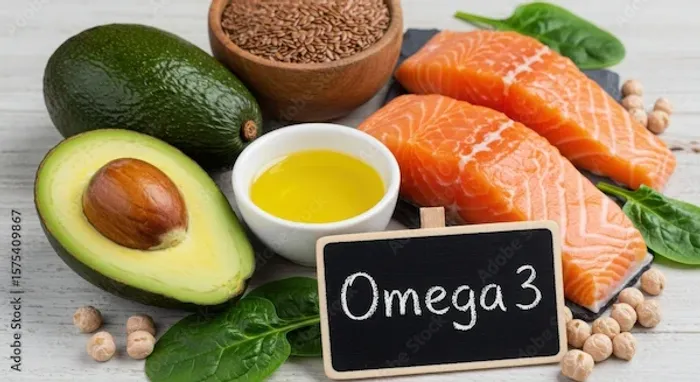
1. Omega-3 Fatty Acids – Found in foods like fish, flaxseeds, and walnuts.
2. Omega-6 Fatty Acids – Found in vegetable oils, nuts, and seeds.
Both types play a vital role in brain function, heart health, and reducing inflammation.
Consult a General Physician for Personalised Advice
Why Are They Important?
EFAs are called "essential" because our body cannot make them—we must consume them through food. They help with:
Brain Health – Supports memory, focus, and mood.
Heart Health – Helps lower bad cholesterol and reduce blood pressure.
Skin & Hair Health – Keep skin hydrated and reduce dryness.
Inflammation Control – Omega-3s help reduce chronic inflammation linked to diseases like arthritis.
Hormone Balance – Needed for producing hormones that regulate bodily functions.
Signs You Might Not Be Getting Enough EFAs
If your diet lacks essential fatty acids, you may experience:
Dry, flaky skin or eczema
Brittle hair and nails
Fatigue and poor concentration
Joint pain or stiffness
Mood swings or depression
Best Food Sources of Essential Fatty Acids
To ensure you’re getting enough EFAs, include these foods in your diet:
Omega-3 Rich Foods:
Fatty fish (salmon, mackerel, sardines)
Chia seeds and flaxseeds
Walnuts
Soybeans and tofu
Omega-6 Rich Foods:
Sunflower, safflower, and corn oils
Nuts (almonds, cashews)
Poultry and eggs
A balanced intake of both types is important, but most modern diets contain too much omega-6 and not enough omega-3, which can lead to inflammation. Aim for a healthy ratio by increasing omega-3 intake.
Tips for Managing Your EFA Intake
Tips for managing EFA include:
1. Eat Fatty Fish Twice a Week – Salmon, tuna, and sardines are great sources.
2. Add Seeds to Your Diet – Sprinkle flaxseeds or chia seeds on yoghurt or salads.
3. Use Healthy Oils – Opt for olive oil or flaxseed oil instead of refined oils.
4. Consider Supplements (If Needed) – If you don’t eat fish, omega-3 supplements like fish oil capsules can help.
5. Limit Processed Foods – Many processed snacks contain unhealthy fats that disrupt the omega balance.
When to See a Doctor?
If you experience symptoms like persistent dry skin, joint pain, or mood disorders despite a balanced diet, consult a doctor. They may recommend blood tests to check fatty acid levels or suggest supplements.
Conclusion
Essential fatty acids are vital for overall health, from brain function to heart protection. By including omega-3 and omega-6-rich foods in your diet, you can support your body’s needs naturally. If you suspect a deficiency, small dietary changes or professional guidance can make a big difference.
Consult a General Physician for Personalised Advice
Consult a General Physician for Personalised Advice


Dr. Shesham Srinidhi
General Practitioner
5 Years • MD(physician)
Hyderabad
Apollo 24|7 Clinic, Hyderabad

(200+ Patients)

Dr Divya Lekha Gunta
General Practitioner
10 Years • MBBS, MD (Pathology)
Visakhapatnam
Apollo 24|7 Clinic - Andhra Pradesh, Visakhapatnam

Dr. Rajib Ghose
General Physician/ Internal Medicine Specialist
25 Years • MBBS
East Midnapore
VIVEKANANDA SEBA SADAN, East Midnapore

Dr. Jawwad Mohammed Kaleem
General Practitioner
4 Years • MBBS
Hyderabad
Apollo 24|7 Clinic, Hyderabad

Dr. B Sivananda Reddy
General Physician
12 Years • D M ( OSMANIA MEDICAL COLLEGE, KNRUHS ) MD ( KASTURBA MEDICAL COLLEGE , MAHE) MBBS ( PESIMS&R, NTRUHS).
Hyderguda
Apollo Hospitals Hyderguda, Hyderguda
.webp)



.webp)