


Understanding Lordosis: Types and Treatment Options
Know about understanding lordosis, types, symptoms, treatment options and diagnosis. Learn about when to see the doctor and more.
Written by Dr. J T Hema Pratima
Reviewed by Dr. Rohinipriyanka Pondugula MBBS
Last updated on 13th Jan, 2026
Introduction
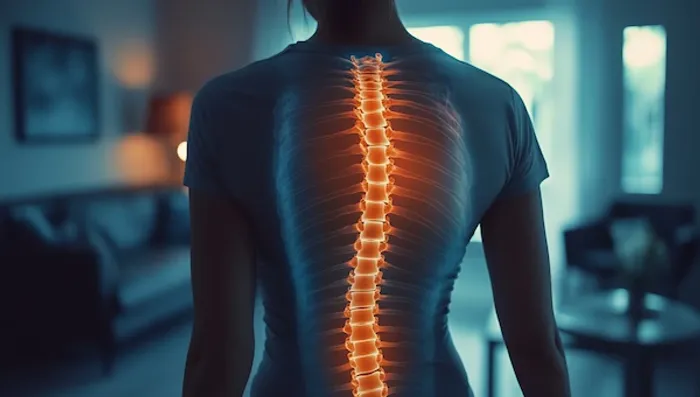
Lordosis is a term used to describe an excessive inward curvature of the spine, typically in the lower back (lumbar region) or neck (cervical region). While a slight curve in the spine is normal and helps with balance and movement, an exaggerated curve can lead to discomfort, pain, and mobility issues.
If you or someone you know is experiencing back problems, understanding lordosis, its types, causes, symptoms, and treatment options can help in managing the condition effectively.
What Is Lordosis?
The spine naturally has curves that help absorb shock and support the body’s weight. However, when the lower back or neck curves inward more than usual, it is called lordosis. This condition can affect people of all ages, from children to adults, and may vary in severity.
Types of Lordosis
1. Lumbar Lordosis – This occurs when the lower back (lumbar spine) curves excessively inward. It is the most common type and can lead to lower back pain and posture problems.
2. Cervical Lordosis – This affects the neck (cervical spine), causing an exaggerated inward curve. It may result in neck pain and stiffness.
Consult a spine specialist for Personalised Advice
Causes of Lordosis
Several factors can contribute to the development of lordosis, including:
- Poor posture – Sitting or standing incorrectly for long periods can weaken muscles and increase spinal curvature.
- Obesity – Excess weight puts additional pressure on the spine, altering its natural curve.
- Muscle imbalances – Weak core or back muscles can lead to an exaggerated spinal curve.
- Spinal conditions – Diseases like spondylolisthesis, osteoporosis, or discitis can contribute to lordosis.
- Congenital factors – Some people are born with spinal abnormalities that lead to lordosis.
- Trauma or injury – Accidents or fractures affecting the spine may cause abnormal curvature.
Symptoms of Lordosis
The most common signs of lordosis include:
- Visible arch in the lower back – The lower back may appear more curved than usual.
- Back or neck pain – Discomfort that worsens with movement or prolonged standing/sitting.
- Limited flexibility – Difficulty bending forward or sideways.
- Muscle tightness – Stiffness in the affected area.
- Numbness or tingling (in severe cases) – If nerves are compressed due to excessive curvature.
If you notice these symptoms, it’s important to consult a doctor for proper diagnosis and treatment.
Diagnosis
A doctor may diagnose lordosis through:
- Physical examination – Checking posture, flexibility, and spinal alignment.
- Imaging tests – X-rays, MRI, or CT scans to assess the degree of curvature.
- Medical history review – Understanding underlying conditions or injuries.
Treatment Options
The treatment for lordosis depends on its severity and underlying cause. Common approaches include:
1. Physical Therapy & Exercises
Strengthening core and back muscles can help correct posture and reduce pain. Recommended exercises include:
- Pelvic tilts – Helps align the spine.
- Bridges – Strengthens lower back and glutes.
- Cat-Cow stretches – Improves spinal flexibility.
- Planks – Strengthens core muscles.
2. Posture Correction
- Avoid slouching while sitting or standing.
- Use ergonomic chairs and supportive footwear.
- Take frequent breaks if working long hours at a desk.
3. Weight Management
- Maintaining a healthy weight reduces stress on the spine. A balanced diet and regular exercise can help.
4. Pain Management
- Over-the-counter pain relievers (e.g., ibuprofen) for mild discomfort.
- Heat or ice therapy to relax muscles.
5. Bracing (for severe cases in children)
A back brace may help correct spinal curvature in growing children.
6. Surgery (Rare Cases)
- If lordosis is severe and causes nerve compression, surgery may be needed to stabilise the spine.
When to See a Doctor?
Seek medical advice if you experience:
- Persistent back or neck pain.
- Difficulty moving or performing daily activities.
- Numbness, weakness, or tingling in limbs.
Prevention Tips
- Maintain good posture while sitting, standing, and sleeping.
- Exercise regularly to strengthen back and core muscles.
- Avoid carrying heavy bags on one shoulder.
- Use supportive mattresses and pillows.
Final Thoughts
Lordosis, though sometimes uncomfortable, can often be managed with lifestyle changes, exercises, and medical guidance. Early detection and proper care can prevent complications and improve quality of life. If you are experiencing symptoms, don’t hesitate to seek professional help.
Consult a spine specialist for Personalised Advice
Consult a spine specialist for Personalised Advice

Dr Supreeth D R
Orthopaedician
6 Years • MBBS, D ORTHO, DNB
Bengaluru
Apollo Medical Center, Marathahalli, Bengaluru

(50+ Patients)

Dr. Preetham Raj Chandran
Orthopaedician
10 Years • MBBS, MS(ORTHO)FIJR(SIAA),FIRJR,FIASM
Bengaluru
Apollo Clinic, Sarjapur Road, Bengaluru
Dr Vikas P Birla
Orthopedics-Sports Medicine
13 Years • MBBS, DNB, MNAMS, Fellowship in Shoulder and Sports Injury
Delhi
Apollo Hospitals Indraprastha, Delhi

Dr. Arnav. P. Urs
Orthopaedician
2 Years • MBBS, MS Orthopedics
Bengaluru
Apollo Clinic, HSR Layout, Bengaluru

Dr. R Kapendra Mouli
Orthopaedician
14 Years • MBBS, MS, Ortho
Bengaluru
Apollo Medical Center, Marathahalli, Bengaluru
Consult a spine specialist for Personalised Advice
Dr Supreeth D R
Orthopaedician
6 Years • MBBS, D ORTHO, DNB
Bengaluru
Apollo Medical Center, Marathahalli, Bengaluru
(50+ Patients)
Dr. Preetham Raj Chandran
Orthopaedician
10 Years • MBBS, MS(ORTHO)FIJR(SIAA),FIRJR,FIASM
Bengaluru
Apollo Clinic, Sarjapur Road, Bengaluru
Dr Vikas P Birla
Orthopedics-Sports Medicine
13 Years • MBBS, DNB, MNAMS, Fellowship in Shoulder and Sports Injury
Delhi
Apollo Hospitals Indraprastha, Delhi
Dr. Arnav. P. Urs
Orthopaedician
2 Years • MBBS, MS Orthopedics
Bengaluru
Apollo Clinic, HSR Layout, Bengaluru
Dr. R Kapendra Mouli
Orthopaedician
14 Years • MBBS, MS, Ortho
Bengaluru
Apollo Medical Center, Marathahalli, Bengaluru
_0.webp)
_4.webp)