


Cherries: Ayurveda Uses, Benefits & Potential Effects
Discover cherries benefits from Ayurveda to sleep support. Learn science-backed perks, how to use them, safety tips, and FAQs to enjoy this fruit wisely.

Written by Dr. Rohinipriyanka Pondugula
Reviewed by Dr. Vasanthasree Nair MBBS
Last updated on 14th Jan, 2026
Introduction
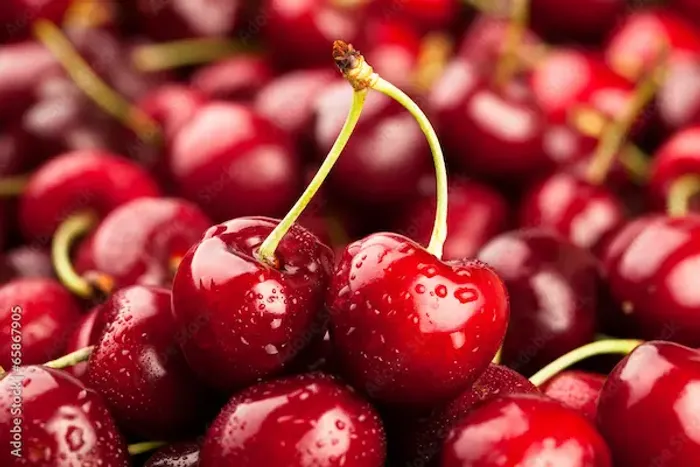
If you’re curious about cherries benefits, how these bright, juicy fruits fit into Ayurveda fruit traditions, and whether they belong on your list of sleep aid foods, you’re in the right place. This guide explains what science supports, what traditional wisdom suggests, and how to enjoy cherries safely as part of a healthy lifestyle.
Why Cherries Matter?
Cherries are rich in natural plant compounds and provide fibre, vitamin C, and potassium - nutrients most people need
more of. Research links fruit-rich diets with better heart and overall health. Tart cherries, in particular, are frequently
studied for sleep, inflammation, and exercise recovery. At the same time, it’s helpful to understand portion sizes, sugar content, and who should be cautious.
Cherries 101: Types and Nutrition at a Glance
Here’s a quick overview of what to expect from different cherry varieties:
- Types: Sweet cherries (like Bing) are commonly eaten fresh; tart or sour cherries (like Montmorency) are often used for
juice, dried fruit, and concentrates. - Nutrients: Cherries supply fibre (supports digestion), vitamin C (supports immune health), potassium (supports normal
blood pressure), and polyphenols such as anthocyanins (antioxidants). - Forms: Fresh, frozen, dried (watch for added sugar), canned (check syrup), juice and concentrates (higher sugar per
serving).
Cherries Benefits: What Science Suggests
Let’s explore areas where cherries may have measurable effects on health:
1) Sleep Support (Especially Tart Cherries)
Cherries can play a small role in improving sleep quality:
- Why: Tart cherries naturally contain melatonin, a hormone that helps regulate sleep-wake cycles. Some studies suggest
tart cherry juice may modestly improve sleep duration and quality. - Practical tip: Try a small serving of unsweetened tart cherry juice in the evening for 1–2 weeks and track your sleep.
People with diabetes or carbohydrate concerns should consult a clinician.
2) Exercise Recovery and Inflammation
Cherries may support post-workout recovery:
- Tart cherry juice has been studied in athletes, showing potential reduced muscle soreness and quicker recovery after
strenuous exercise. - Anthocyanins and other polyphenols may help temper exercise-induced oxidative stress and inflammation.
- Remember: cherries are just one part of a recovery plan including sleep, hydration, and balanced nutrition.
3) Gout and Joint Comfort
Cherries may complement standard care for gout:
- Some research suggests cherries or cherry extract are associated with fewer gout flares when used alongside prescribed
medications. - Discuss with your healthcare provider before making dietary changes as part of gout management.
4) Heart and Metabolic Health
Cherries can support general wellness as part of a balanced diet:
- Contribute fibre and potassium, both supportive of cardiovascular health.
- For blood sugar management, prefer whole cherries over juice and monitor portion sizes.
How Cherries May Fit Traditional Wisdom?
Ayurveda emphasises personalised nutrition, seasonality, and digestion:
- Seasonal, fresh, and simple: Fruits are generally enjoyed in-season for better digestibility.
- Eaten alone or simply combined: Often consumed on their own or with mild spices (like ginger or cinnamon) or nuts.
Avoid mixing fruit with heavy meals. - Individualised approach: Dosha type and digestion guide portion and preparation; small portions may suit sensitive
stomachs better.
Note: Traditional Ayurvedic guidance complements but does not replace medical advice.
Sleep Aid Foods: Do Cherries Really Help?
Here’s what research and practical experience suggest:
- Tart cherries supply melatonin and polyphenols that may modestly support sleep regulation.
- Effects are usually mild; consistent sleep habits remain essential.
- Caution: People managing blood sugar, with GERD, or following low-FODMAP diets should check with a clinician or
dietitian before trying tart cherry juice.
How to Add Cherries to Your Day?
Practical ways to enjoy cherries safely and deliciously:
- Whole fruit: Snack on a small bowl of fresh or frozen cherries.
- Breakfast: Stir into oatmeal or yoghurt, or blend into smoothies.
- Savoury twist: Add to salads with leafy greens, nuts, and lean protein.
- Tart cherry trial for sleep: 4–8 oz unsweetened tart cherry juice in the evening for 1–2 weeks; consult your clinician if
you have diabetes or kidney concerns. - Dried cherries: Choose unsweetened varieties; keep portions small.
Portion Pointers
Keeping portions moderate helps manage sugar and fibre intake:
- Fresh cherries: ~1 cup (small bowl) per serving.
- Juice: Smaller portions are best due to concentrated sugar and loss of fibre.
- Children: Remove pits and cut into age-appropriate pieces to prevent choking.
Potential Effects and Precautions
Be aware of individual sensitivities or health conditions:
- Digestive sensitivity: Sorbitol in cherries may trigger bloating or discomfort, especially in IBS. Start with small amounts
- Blood sugar: Moderation is key; prefer whole fruit over juice. Consult healthcare provider if diabetic
- Allergies: Stone-fruit allergies can occur. Stop eating and seek medical advice if reactions appear.
- Medications: If on warfarin or medications affected by diet changes, maintain consistency and consult your clinician.
- Reflux: Tart cherry juice acidity may worsen heartburn in some people.
Smart Shopping and Storage
Tips to get the best quality cherries and preserve nutrition:
- Choose plump, firm cherries with shiny skins; avoid bruises.
- Refrigerate unwashed cherries and rinse just before eating.
- Frozen cherries are nutritious year-round. Check dried/canned labels to avoid added sugar.
Putting It All Together
Maximise benefits by combining cherries with overall healthy habits:
- Cherries benefits are most noticeable as part of a balanced diet: fruits, vegetables, whole grains, lean proteins, healthy
fats, regular activity, and good sleep hygiene. - For Ayurveda-inspired eating, enjoy seasonal, simply prepared fruit and monitor digestion.
- If using cherries for sleep, a short tart cherry juice trial can be useful, with clinician guidance for those with medical
conditions or medication concerns.
Conclusion
Cherries are a versatile, nutrient-rich fruit that can support digestion, heart health, exercise recovery, and even sleep to
some extent. Incorporating them mindfully - choosing whole or minimally processed forms, watching portions, and considering individual health conditions - ensures you enjoy their benefits safely. Traditional Ayurveda approaches and modern nutrition research both highlight moderation, seasonality, and personal adaptation as the keys to making cherries a wholesome addition to your daily diet.
Consult Top Specialists
Consult Top Specialists

Ms. Kanika Narang
Dietician
12 Years • Msc. In Dietetics and Food Service management from Institute of Hotel Management, Catering and Nutrition. Bsc. In Home science from Institute of Home Economics, Delhi University,
Delhi
Apollo Hospitals Indraprastha, Delhi

Dr. S N C Vasundhara Padma
Dietician
16 Years • RD, ( P.hd )
Chinagadila
Apollo Hospitals Health City Unit, Chinagadila

(25+ Patients)

Ms. Tannu Parveen
Dietician
7 Years • Msc food and nutrition
Telipara
Apollo Sugar Clinics, Bilaspur, Telipara

Ms. Priyanka Kandala
Dietician
4 Years • BACHELORS IN FOOD AND NUTRITION, MSc in Food Technology & Management
Bengaluru
Apollo Medical Center, Marathahalli, Bengaluru

Ms. Manisha Yadav
Dietician
10 Years • M.SC.
Raipur
Apollo Sugar Clinics, Raipur, Raipur
More articles from General Medical Consultation





Frequently Asked Questions
1) Are cherries good for sleep?
Some small studies suggest tart cherry juice may modestly improve sleep duration and quality, possibly due to melatonin content. Results vary. Keep core sleep habits in place and talk to your clinician if insomnia persists.
2) What’s the difference between sweet and tart cherries?
Sweet cherries are usually eaten fresh and taste, well, sweet. Tart cherries are more sour and often consumed as juice, dried fruit, or in recipes. Most sleep and exercise-recovery research has used tart cherry products.
3) Can cherries help with gout?
Evidence suggests cherries may be associated with fewer gout flares for some people when used alongside standard care. They do not replace medicines your clinician prescribes.
4) How many cherries should I eat in a day?
A common serving is about 1 cup of fresh cherries. If you’re trying tart cherry juice, choose unsweetened options and keep portions small. People managing blood sugar or IBS symptoms should consult a clinician or dietitian for personalised advice.
5) Are dried cherries healthy?
They can fit into a balanced diet in small portions. Choose dried cherries with no added sugar when possible, and be mindful that dried fruit is calorie-dense and easy to overeat.