



Cashew Nuts Ayurvedic Uses, Benefits, and Side Effects
Explore cashew nuts benefits from Ayurveda and science. Learn about healthy fats, nutrition, side effects, and smart ways to enjoy this popular dry fruit.

Introduction
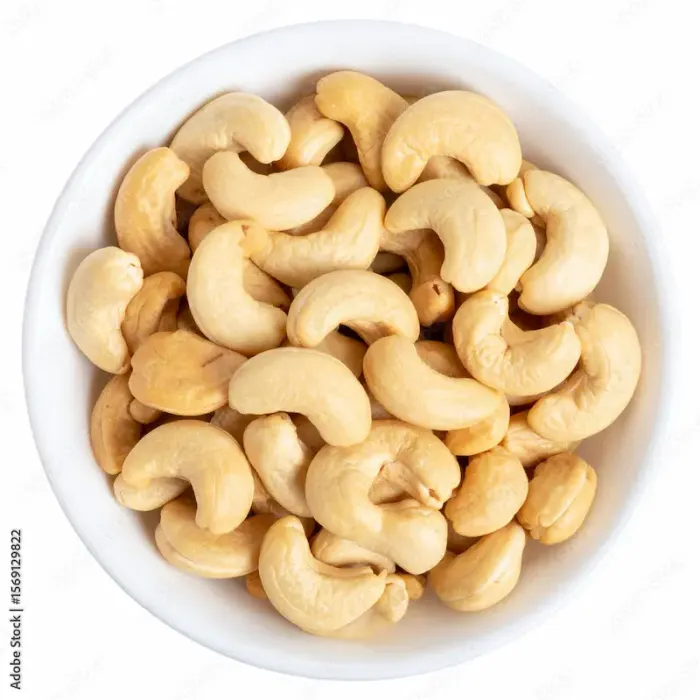
Cashews are more than a tasty snack. They’re rich in healthy fats and important nutrients, and they fit in many eating styles—from modern heart-healthy diets to traditional wellness systems like Ayurveda. If you’ve ever wondered about cashew nuts benefits, how they compare with other dry fruits, or whether there are any side effects to watch for, this guide offers a clear, trustworthy overview to help you make smart choices.
What Makes Cashews Special? Nutrition and Healthy Fats
Cashews are tree nuts known for their creamy texture and mild flavour. Like other nuts, they are energy-dense, but most of their fat is unsaturated—often called “healthy fats”—which support heart health when they replace saturated fats in your diet.
Key Nutrients in Cashews
• Healthy fats: Primarily monounsaturated and polyunsaturated fats that support heart health when they replace saturated and trans fats.
• Protein: Helps with fullness and maintaining muscle.
• Fibre: Present in modest amounts compared with some other nuts.
• Minerals: Notably magnesium, copper, and manganese, which support bone health, energy production, and antioxidant defences.
• Plant compounds: Nuts contain phytochemicals and antioxidants that may contribute to overall health when eaten as part of a balanced diet.
Cashew Nuts Benefits Backed by Modern Science
While individual responses vary, research on nuts (including cashews) shows several consistent themes when they’re eaten in moderation as part of an overall healthy diet. Here are the benefits of cashew nuts:
Heart Health
• Replacing foods high in saturated fat (like processed meats or baked goods made with butter) with nuts that provide unsaturated fats can help improve blood lipid profiles and support cardiovascular health.
• Regular nut intake is linked with a lower risk of heart disease in large population studies. Choosing unsalted, dry-roasted cashews can help you gain the benefits without added sodium.
Weight Management
• Although nuts are calorie-dense, studies suggest people who regularly eat nuts do not gain more weight than those who don’t—and may gain less over time—likely due to increased satiety, mindful snacking, and the way nuts are digested.
• A small handful can help curb hunger between meals, potentially reducing cravings for refined snacks.
Blood Sugar Support
• Pairing carbohydrates (like fruit or whole-grain crackers) with protein and healthy fats from nuts can help blunt rapid rises in blood sugar.
• For people with type 2 diabetes or prediabetes, swapping refined snacks with a handful of unsalted nuts can be a smart strategy within an overall meal plan recommended by a clinician or dietitian.
Nutrient Density
• Cashews offer magnesium and copper, minerals involved in nerve and muscle function, immune function, and energy metabolism. Including a variety of nuts and seeds helps you cover more nutrient bases.
Inflammation and Overall Health
• Diet patterns rich in plant foods—vegetables, fruits, whole grains, legumes, and nuts—are consistently linked with better long-term health. Cashews can be one of several nut options that fit into this pattern.
Ayurvedic Uses of Cashew Nuts: A Traditional Perspective
Ayurveda, a traditional health system from India, generally views nuts as nourishing, strengthening foods when used mindfully. Here are the uses of cashew nuts:
• Cashews (often called “kaju”) are considered rich and “heavy,” so they are used in small amounts.
• Soaking or lightly roasting is commonly recommended to make them easier to digest.
• They’re often combined with warming spices (like cumin or cardamom) or blended into milk-based preparations or chutneys in small quantities.
• Traditional use prioritises individualised guidance; people with a tendency toward sluggish digestion or those managing weight are usually advised to use cashews sparingly.
Important note: Ayurvedic practices are traditional and not a substitute for medical care. If you’re interested in Ayurveda, consider consulting a qualified practitioner, especially if you have health conditions or take medications.
How Much to Eat? Practical Portions and Tips
Because cashews are calorie-dense, portion size matters. Here’s how much to eat:
• A practical portion is about a small handful (around 1 ounce or 28 grams).
• Many heart-health guidelines find room for a serving of nuts most days of the week, especially when they replace less healthy snacks.
• Choose unsalted, dry-roasted or raw (heat-treated) cashews to avoid excess sodium and added oils.
• Flavour at home with spices (cinnamon, smoked paprika, chili-lime, or turmeric-black pepper) rather than sugar or heavy coatings.
Smart Ways to Enjoy Cashews
Here are the smart ways to enjoy cashews:
• Snack: Pair a small handful with fresh fruit or raw veggies.
• Breakfast: Sprinkle over oatmeal, yoghurt, or a smoothie bowl.
• Lunch/Dinner: Add to stir-fries, grain bowls, or salads for crunch and staying power.
• Sauces and Dips: Blend soaked cashews to make creamy dairy-free sauces.
• Dessert: Use modestly in energy bites with oats and dates.Consult Top Specialists
Cashews vs Other “Dry Fruits”: What to Know
In many places, the term “dry fruits” is used broadly for nuts and dried fruits sold together. Cashews are tree nuts. Here’s how they compare:
• Cashews vs almonds: Cashews are creamier; almonds have more fibre. Both offer healthy fats and are good choices.
• Cashews vs walnuts: Walnuts are higher in omega-3 (ALA); cashews are rich in monounsaturated fats. Rotating both supports variety.
• Cashews vs pistachios: Pistachios offer more fibre and often more protein per ounce; cashews provide a smoother texture and versatile flavour.
• Cashews vs dried fruit (like raisins): Dried fruit is higher in natural sugars and not a source of healthy fats. Pairing a small amount of dried fruit with nuts balances taste and satiety.
Possible Side Effects and Risks
Cashews are safe for most people when eaten in moderation, but keep these points in mind:
• Tree nut allergy: Cashews are among the tree nuts most likely to cause allergic reactions, which can be severe. If you have any tree nut allergy, avoid cashews unless your allergist tells you otherwise. Read labels carefully to avoid cross-contact.
• Sodium from salted or flavoured nuts: Salted or heavily seasoned cashews can be very high in sodium. A high-sodium diet raises blood pressure for many people. Choose unsalted whenever possible, especially if you’re watching blood pressure.
• Calories and portion size: Overeating nuts can contribute to weight gain due to their calorie density. Pre-portion snacks to avoid mindless eating.
• Kidney stones (oxalates): Some nuts, including cashews, contain oxalates. People with a history of calcium oxalate kidney stones may be told to limit high-oxalate foods. If you’ve had stones, ask your clinician or dietitian about an appropriate nut choice and portion.
• Sweets and coatings: Sugary, candied, or chocolate-covered cashews add extra sugars and calories. Keep these as occasional treats, not daily staples.
Who Should Avoid or Limit Cashews?
Here’s who should avoid or limit cashews:
• People with a confirmed tree nut allergy.
• Anyone advised to follow a low-oxalate diet due to kidney stones—ask your healthcare provider about which nuts and portions fit your plan.
• Individuals on sodium-restricted diets should skip salted and flavoured varieties.
• Young children should be given finely chopped nuts or smooth nut butter to reduce choking risk.
How Cashews Fit into Heart-Healthy and Diabetes-Friendly Eating
Here’s how cashews fit into heart-friendly and diabetes friendly eating:
• Replace, don’t just add: Swap cashews for less healthy snacks (like chips or pastries) rather than adding them on top of your usual intake.
• Combine with fibre and protein: Pair cashews with vegetables, whole grains, or legumes to build filling meals and steady energy.
• Mind the overall pattern: The biggest health benefits come from your overall diet—plenty of plants, whole grains, lean proteins, and limited added sugars and sodium.
Consult Top Specialists
Consult Top Specialists

Dr Darshana R
General Physician/ Internal Medicine Specialist
15 Years • MBBS, MD, DNB (Internal Medicine), Diploma in Allergy, Asthma and Immunology , Fellowship in Diabetes
Bengaluru
Apollo Clinic, JP nagar, Bengaluru

(125+ Patients)

Dr. Suresh G
General Physician/ Internal Medicine Specialist
25 Years • MBBS, MD
Bangalore
Apollo Clinic Bellandur, Bangalore
(250+ Patients)

Dr Shivakumar M P
General Physician/ Internal Medicine Specialist
31 Years • MBBS MD
Bengaluru
Apollo Clinic, JP nagar, Bengaluru

Ms. Sreeparna Dey Dhara Deb
Dietician
10 Years • DNHE
Bansdroni
Siddhita Healthcare., Bansdroni

Ms. Soma Saha
clinical nutrition
17 Years • B.Sc. - Home Science (Food & Nutrition), M.Sc. - Home Science (Food & Nutrition)
Kolkata
Dr Utsa Basu Clinic, Kolkata
(75+ Patients)
Consult Top Specialists
Dr Darshana R
General Physician/ Internal Medicine Specialist
15 Years • MBBS, MD, DNB (Internal Medicine), Diploma in Allergy, Asthma and Immunology , Fellowship in Diabetes
Bengaluru
Apollo Clinic, JP nagar, Bengaluru
(125+ Patients)
Dr. Suresh G
General Physician/ Internal Medicine Specialist
25 Years • MBBS, MD
Bangalore
Apollo Clinic Bellandur, Bangalore
(250+ Patients)
Dr Shivakumar M P
General Physician/ Internal Medicine Specialist
31 Years • MBBS MD
Bengaluru
Apollo Clinic, JP nagar, Bengaluru
Ms. Sreeparna Dey Dhara Deb
Dietician
10 Years • DNHE
Bansdroni
Siddhita Healthcare., Bansdroni
Ms. Soma Saha
clinical nutrition
17 Years • B.Sc. - Home Science (Food & Nutrition), M.Sc. - Home Science (Food & Nutrition)
Kolkata
Dr Utsa Basu Clinic, Kolkata
(75+ Patients)
More articles from General Medical Consultation
_0.webp)


Frequently Asked Questions
1) Are cashews good for heart health?
Yes—when you choose unsalted cashews and use them to replace foods high in saturated or refined carbohydrates, they can support healthy cholesterol levels as part of a heart-healthy eating pattern. The benefit comes largely from their unsaturated “healthy fats” and overall nutrient profile.
2) Do cashews raise blood sugar?
Cashews are low in sugar and provide protein and fat, which can help blunt spikes when eaten with carbohydrates. Still, portion size matters for overall calorie balance. People with diabetes should follow individualised advice from their care team.
3) How many cashews can I eat per day?
A common portion is about a small handful (around 1 ounce or 28 grams). Many people enjoy a serving most days of the week as part of a balanced diet—especially when nuts replace less healthy snacks.
4) Are salted cashews unhealthy?
Salted cashews can fit occasionally, but they may add a lot of sodium, which can raise blood pressure in many people. For everyday use, choose unsalted or lightly salted options and season at home with herbs and spices.
5) Are cashews considered “dry fruits”?
Cashews are tree nuts. In everyday shopping, people often group nuts and dried fruits together and call them “dry fruits,” but nutritionally they’re different. Nuts supply healthy fats and protein; dried fruits are higher in natural sugars and fibre. Both can fit in a balanced diet with portion control.