


Chirata: Ayurvedic Uses, Benefits And Side Effects
Learn chirata benefits from Ayurvedic herbs, potential liver detox support, uses, side effects, and safety tips backed by trusted medical sources.

Written by Dr. Md Yusuf Shareef
Reviewed by Dr. Mohammed Kamran MBBS, FIDM
Last updated on 13th Jan, 2026
Introduction
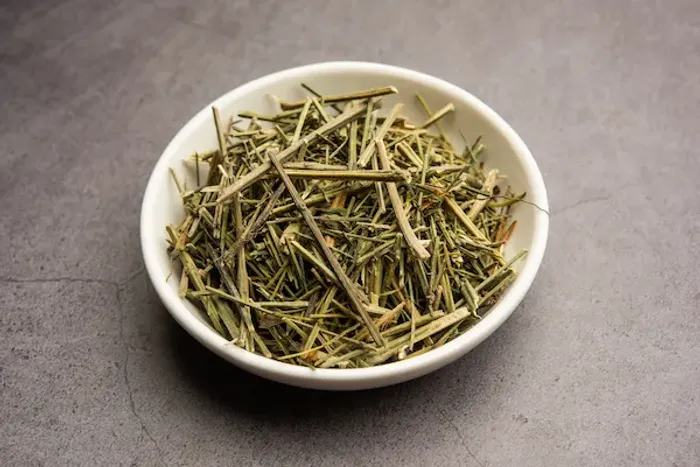
If you’re exploring Ayurvedic herbs to support digestion, immunity, or liver health, you may have heard of chirata (also known as chirayata; botanical name Swertia chirayita). This intensely bitter herb has a long history of traditional use in Ayurveda as a “bitter tonic.” Many people search for chirata benefits and wonder whether it can help with liver detox.
In this guide, you’ll learn what chirata is, how it’s traditionally used, what modern research says, its potential side effects, and how to use it safely.
What Is Chirata?
Chirata is a bitter herb traditionally used in Ayurveda and other South Asian systems of medicine. It’s commonly found in herbal formulations that support digestion and fever management. The aerial parts (stems and leaves) are typically used in tea/decoction, powder, or capsule form.
Key Points
Chirata Benefits in Ayurveda: Traditional Uses
In Ayurveda, chirata is valued for its tikta (bitter) quality. Traditionally, it has been used to:
- Support digestion by stimulating appetite and digestive fire.
- Help manage fever and associated discomfort.
- Promote skin health in certain Ayurvedic formulations.
- Encourage general wellness and balance excess body heat.
Note: These are traditional uses, not evidence-based medical claims. Modern scientific research is limited and still evolving.
What Does Modern Science Say?
Most modern research on chirata comes from laboratory and animal studies, with limited human data.
What early research suggests (mainly preclinical):
- Anti-inflammatory and antioxidant properties: Certain compounds (like bitter secoiridoids) show potential antioxidant and anti-inflammatory activity.
- Liver protection in animals: Some animal studies indicate possible liver-supportive effects, but human evidence is lacking.
- Blood sugar regulation: Preliminary studies in animals show glucose-lowering potential, though clinical trials in humans are minimal.
What this means for you:
- The data are promising but preliminary—not enough to confirm medical benefits.
- There’s a clear evidence gap regarding human dosing and outcomes.
- Use chirata with realistic expectations as a traditional herb, not a proven treatment.
Consult Top Specialists
Chirata and Liver Detox: Separating Facts from Hype
Because chirata is a bitter herb often linked with cleansing, it’s commonly promoted for “liver detox.” However, here’s what experts and credible medical sources clarify:
- Your liver already detoxifies naturally. It continuously removes toxins without the need for special detox supplements.
- Detox marketing claims are often unproven. Reliable organisations note that detox diets and supplements rarely have scientific backing.
- Where chirata fits: Animal studies hint at liver-protective potential, but there’s no strong human evidence supporting “detox” claims.
Evidence-based liver health tips:
- Limit alcohol and avoid smoking.
- Maintain a healthy weight and manage blood sugar.
- Get hepatitis A and B vaccines if needed.
- Eat a balanced diet with vegetables, fruits, lean protein, and whole grains.
- Avoid unnecessary supplements or medications that strain the liver.
Bottom line: Chirata may be one small, traditional component of a healthy lifestyle—but it’s not a detox cure. Always consult your healthcare provider before use.
How to Use Chirata Safely?
There’s no standardised dose for chirata, as formulations vary widely. Always work with a qualified Ayurvedic or healthcare professional who understands your medical background.
Common forms:
- Tea/decoction: Dried herb simmered in water.
- Powder (Churna): Mixed in warm water or taken in capsules.
- Liquid extract/tincture: Alcohol- or glycerin-based preparation.
Quality and sourcing tips:
- Buy from reputable brands with third-party testing (USP, NSF, or equivalent).
- Avoid unlabeled or homemade products lacking quality control.
- Be aware of possible heavy metal contamination in unregulated imports.
Possible Side Effects
Chirata’s bitterness can cause digestive discomfort in some people.
Potential side effects:
- Stomach upset, nausea, or diarrhoea (especially with high doses).
- Increased stomach acid—use caution if you have reflux or ulcers.
- Possible blood sugar drops (especially if combined with diabetes medication).
- Rare allergic reactions like rash or itching—discontinue use and seek care if these occur.
Drug Interactions and Who Should Avoid It
Here’s who should avoid it:
Avoid or use only under supervision if you:
- Take diabetes medications or have low blood sugar.
- Have stomach ulcers, GERD, or gastritis.
- Take multiple prescription drugs (to avoid interactions).
- Are pregnant or breastfeeding—safety data are lacking.
- Plan to give it to children—use only under pediatric guidance.
Practical Tips If You Decide to Try Chirata
- Start low: Use the smallest dose recommended on a trusted product.
- Take with food if it upsets your stomach.
- Monitor your response: Track any benefits or side effects.
- Reassess regularly: Discuss continued use with your clinician after a few weeks.
Who Might Consider Chirata
- Individuals interested in traditional Ayurvedic herbs for mild digestive or metabolic support.
- Those incorporating it as part of a holistic wellness plan under professional guidance.
Who Should Skip Chirata
- Anyone seeking a quick “detox” fix.
- Individuals with ulcers, reflux, or liver/kidney disease.
- Pregnant or breastfeeding women and children due to limited safety data.
Healthy Habits That Truly Support “Detox”
If your goal is improved energy, skin, or digestion—the benefits often attributed to detox herbs—focus on habits proven by research:
- Eat fibre-rich foods daily.
- Get adequate sleep and regular exercise.
- Stay hydrated and limit alcohol.
- Manage stress through yoga, meditation, or mindfulness.
- Keep up with preventive care and vaccinations.
Consult Top Specialists
Conclusion
Chirata is a respected Ayurvedic herb with centuries of traditional use for digestion, fever, and overall wellness. While early research shows potential antioxidant and liver-supportive properties, human evidence remains limited. Use it as part of a balanced lifestyle, not as a replacement for medical treatment. Always prioritise quality, safety, and professional guidance—your health deserves it.
Consult Top Specialists

Dr. Rajib Ghose
General Physician/ Internal Medicine Specialist
25 Years • MBBS
East Midnapore
VIVEKANANDA SEBA SADAN, East Midnapore


Dr. Shesham Srinidhi
General Practitioner
5 Years • MD(physician)
Hyderabad
Apollo 24|7 Clinic, Hyderabad

(175+ Patients)

Dr Summaiya Banu
General Practitioner
8 Years • MBBS
Hyderabad
Apollo 24|7 Clinic, Hyderabad
(350+ Patients)

Dr. Senthilmuthu K
General Physician/ Internal Medicine Specialist
6 Years • MBBS, MD
Karur
Apollo Hospitals Allwyn Nagar, Karur
(100+ Patients)

Dr. Indrajit Das
General Physician/ Internal Medicine Specialist
4 Years • "MD (Internal medicine) : Gauhati Medical College and Hospital, Guwahati (2018-2021) MD (Pathology) : Gauhati Medical College and Hospital, Guwahati (2012-2015) MBBS (Bachelor of Medicine, Bachelor of Surgery) : Silchar Medical College, Assam (2003-2008) "
Guwahati
Apollo Excelcare Hospital, Guwahati
Consult Top Specialists
Dr. Rajib Ghose
General Physician/ Internal Medicine Specialist
25 Years • MBBS
East Midnapore
VIVEKANANDA SEBA SADAN, East Midnapore
Dr. Shesham Srinidhi
General Practitioner
5 Years • MD(physician)
Hyderabad
Apollo 24|7 Clinic, Hyderabad
(175+ Patients)
Dr Summaiya Banu
General Practitioner
8 Years • MBBS
Hyderabad
Apollo 24|7 Clinic, Hyderabad
(350+ Patients)
Dr. Senthilmuthu K
General Physician/ Internal Medicine Specialist
6 Years • MBBS, MD
Karur
Apollo Hospitals Allwyn Nagar, Karur
(100+ Patients)
Dr. Indrajit Das
General Physician/ Internal Medicine Specialist
4 Years • "MD (Internal medicine) : Gauhati Medical College and Hospital, Guwahati (2018-2021) MD (Pathology) : Gauhati Medical College and Hospital, Guwahati (2012-2015) MBBS (Bachelor of Medicine, Bachelor of Surgery) : Silchar Medical College, Assam (2003-2008) "
Guwahati
Apollo Excelcare Hospital, Guwahati
More articles from General Medical Consultation
.webp)
Frequently Asked Questions
What is chirata used for in Ayurveda?
Chirata is a classic bitter herb used traditionally for digestive support, fever management, and general wellness. These uses come from traditional practice, not definitive clinical trials.
Can chirata detox my liver?
Your liver already detoxifies your body. While some animal studies suggest chirata may have liver-protective properties, there’s not enough human evidence to recommend it for “liver detox.” Focus on proven lifestyle measures and talk with your clinician.
Is chirata safe to take daily?
There’s no standardized, evidence-based daily dose. Safety depends on your health status, product quality, and other medications. Start low, watch for side effects, and consult a healthcare professional.
Can chirata lower blood sugar?
Some animal studies suggest glucose-lowering effects, but human data are limited. If you have diabetes or take medications that affect blood sugar, use chirata only with medical guidance and monitor your levels.
How do I choose a high-quality chirata supplement?
Buy from reputable brands that use third-party testing, provide clear labels (species name, part used, extract ratio), and avoid extravagant claims like “miracle detox.” When in doubt, ask your pharmacist or clinician.