


Peepal Tree: Ayurvedic Benefits, Uses, and Side Effects
Discover peepal tree benefits from Ayurveda, how the sacred fig is used, evidence, and side effects—clear, safe guidance for everyday health.

Written by Dr. Siri Nallapu
Reviewed by Dr. Md Yusuf Shareef MBBS, Advanced Certificate Course in Dermatology
Last updated on 13th Jan, 2026
Introduction
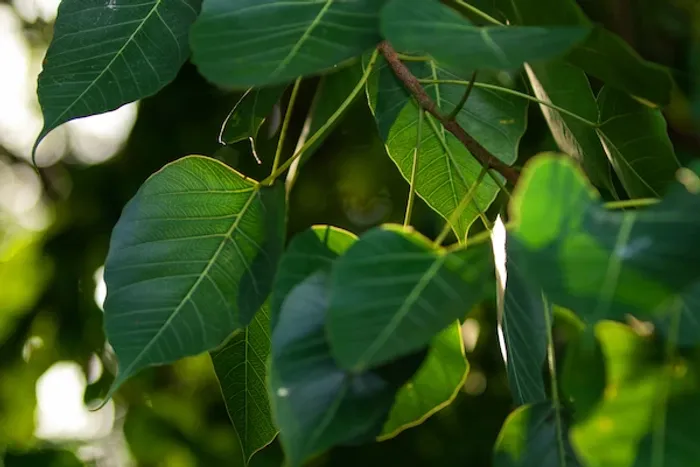
The peepal tree (Ficus religiosa), also known as the sacred fig or bodhi tree, has been revered across India and South Asia for centuries. In Ayurveda, it is valued for its potential to support digestion, skin health, and respiratory comfort. Today, many people seek natural ways to incorporate Ayurvedic remedies like the peepal tree into their health routines. However, it’s important to distinguish between traditional wisdom, modern research, and safe practice.
This guide explains the peepal tree’s Ayurvedic background, potential benefits, early research findings, side effects, and safety tips—to help you make informed choices with professional guidance.
What Is the Peepal Tree (Sacred Fig)?
The peepal tree holds deep cultural and spiritual significance in India, often associated with meditation and longevity. In Ayurveda, different parts of the plant are prepared in unique ways—such as powders, decoctions (boiled herbal preparations), or pastes—depending on the intended purpose. While these traditional uses have stood the test of time, scientific studies in humans remain limited, so careful, evidence-informed use is essential.
Peepal Tree Benefits: What Tradition Says and What Science Knows
Many people search for “peepal tree benefits” because of its extensive traditional reputation. Below is a balanced overview combining Ayurvedic insights and early scientific findings.
Potential Benefits Suggested by Early Research
Most scientific evidence on Ficus religiosa comes from laboratory and animal studies, not large-scale human trials. Here’s what early research suggests:
Antioxidant and Anti-inflammatory Potential
Extracts from Ficus species show antioxidant activity that may help neutralise free radicals and reduce inflammation. These findings are preliminary and not conclusive for human use.
Antimicrobial Activity
Certain extracts have shown activity against microbes in lab settings. However, these effects have not been confirmed in human studies or clinical applications.
Digestive and Ulcer Support (Preclinical)
Some animal studies suggest possible gut-protective or anti-ulcer properties. Human research is needed before any clinical recommendation.
Blood Sugar and Metabolic Support (Preclinical)
Early studies indicate potential effects on blood sugar balance in animals. This does not establish benefits for people with diabetes—never adjust medications without medical advice.
Skin and Wound Care (Traditional Use, Limited Evidence)
In Ayurveda, peepal leaf or bark paste is applied to skin concerns. However, the plant’s latex can irritate the skin, so caution is necessary.
Bottom line: The peepal tree shows promise in preclinical research, but robust human trials are lacking. It should not replace medical care or prescribed treatments.
Consult Top Specialists
Ayurvedic Remedies and Traditional Uses
In Ayurveda, the peepal tree is used holistically for internal and external wellbeing. Traditional approaches include:
- Leaves: Prepared as a paste or mild infusion for topical or oral use (under expert guidance).
- Bark: Dried, powdered, or boiled into a decoction for targeted purposes.
- Fruit: Consumed ripe in small amounts for digestive comfort.
- Latex (Milky Sap): Occasionally used externally in minute quantities but can cause irritation—use only under professional supervision.
Important Reminders:
- Traditional use is not a proven efficacy.
- Potency varies by preparation and source.
- Always consult a qualified Ayurvedic practitioner or healthcare provider before use, especially if pregnant, breastfeeding, or on regular medication.
Modern-Day Uses of the Peepal Tree
If you plan to explore peepal-based remedies responsibly, keep these points in mind:
- Available Forms: Powders, capsules (rarely standardised), herbal teas/decoctions, and topical pastes.
- Correct Identification: Ensure the product is derived from Ficus religiosa, not other Ficus species.
- Quality Assurance: Choose brands with third-party testing for heavy metals, microbes, and pesticides.
- Professional Guidance: Dosage and duration should always be individualised.
Side Effects, Risks, and Precautions
While small dietary exposure to fig species is generally well tolerated, concentrated herbal use of peepal parts requires caution.
Possible Side Effects
- Skin and Eye Irritation: The milky latex can irritate skin or eyes. Avoid direct contact; rinse immediately if exposed.
- Allergic Reactions: People sensitive to Ficus plants or latex may develop rash, itching, sneezing, or wheezing. Discontinue use and seek medical care if symptoms occur.
- Digestive Discomfort: Concentrated extracts or raw herbal products may cause nausea or stomach upset.
- Photosensitivity: Contact with latex followed by sunlight may worsen irritation—wash skin and use sun protection.
Possible Drug Interactions
Use caution and consult your clinician if you take:
- Diabetes medications (risk of low blood sugar)
- Blood pressure drugs
- Anticoagulants or antiplatelet agents
- Sedatives or CNS-active drugs
Never combine herbal supplements with prescription medication without medical supervision.
Who Should Avoid Peepal Tree Products?
Here’s who should avoid peepal tree products:
- Individuals allergic to Ficus species or latex
- Pregnant or breastfeeding individuals, unless approved by a clinician
- Children, unless supervised by a pediatric specialist
- People taking multiple medications, especially for blood sugar, blood pressure, or clotting disorders
- Those with chronic skin conditions prone to irritation
Smart Safety and Quality Tips
- Talk to your healthcare professional before starting any herbal supplement.
- Start low and go slow—introduce gradually and monitor your body’s response.
- Choose tested, certified brands for purity and safety.
- Avoid wild or roadside plants due to pollution risk.
- Keep topicals away from broken or sensitive skin unless guided by a clinician.
Integrating Ayurveda with Modern Care
Ayurveda can complement conventional healthcare when used safely and collaboratively:
- Work with a qualified Ayurvedic practitioner for customised recommendations.
- Share your list of herbs and supplements with your doctor and pharmacist to avoid interactions.
- Track your health parameters (blood sugar, blood pressure, etc.) if using herbs that may affect them.
Consult Top Specialists
Conclusion
The peepal tree (Ficus religiosa) remains one of Ayurveda’s most respected plants, symbolising longevity and balance. Its traditional uses span digestion, skin health, and general wellness, but modern evidence is still in early stages. When used carefully under expert supervision, peepal may support wellbeing as part of an integrated, holistic health plan. Always prioritise safety, quality, and professional advice—Ayurveda works best when combined thoughtfully with modern medical care.
Consult Top Specialists

Dr. Gunashree V L
General Physician/ Internal Medicine Specialist
3 Years • MBBS
Bengaluru
Apollo Clinic, JP nagar, Bengaluru

Dr Syed Mateen Pasha
General Physician
2 Years • MBBS
Bengaluru
PRESTIGE SHANTHINIKETAN - SOCIETY CLINIC, Bengaluru

Dr. Harshendra Jaiswal
General Physician/ Internal Medicine Specialist
12 Years • MBBS , MD (General medicine)
Kolkata
108 DHANA DHANVANTARI Clinic, Kolkata

(25+ Patients)

Dr. Vivek D
General Physician
4 Years • MBBS
Bengaluru
PRESTIGE SHANTHINIKETAN - SOCIETY CLINIC, Bengaluru

Dr. Swarna Deepak K
General Physician/ Internal Medicine Specialist
20 Years • MBBS: MD (Internal Medicine) MRCP (UK), EDIC (European Diploma in Critical Care), IDCCM, IFCCM (Critical Care), FID (Royal Liverpool Academy)
Hyderabad
Apollo Hospitals Jubilee Hills, Hyderabad
(450+ Patients)
Consult Top Specialists
Dr. Gunashree V L
General Physician/ Internal Medicine Specialist
3 Years • MBBS
Bengaluru
Apollo Clinic, JP nagar, Bengaluru
Dr Syed Mateen Pasha
General Physician
2 Years • MBBS
Bengaluru
PRESTIGE SHANTHINIKETAN - SOCIETY CLINIC, Bengaluru
Dr. Harshendra Jaiswal
General Physician/ Internal Medicine Specialist
12 Years • MBBS , MD (General medicine)
Kolkata
108 DHANA DHANVANTARI Clinic, Kolkata
(25+ Patients)
Dr. Vivek D
General Physician
4 Years • MBBS
Bengaluru
PRESTIGE SHANTHINIKETAN - SOCIETY CLINIC, Bengaluru
Dr. Swarna Deepak K
General Physician/ Internal Medicine Specialist
20 Years • MBBS: MD (Internal Medicine) MRCP (UK), EDIC (European Diploma in Critical Care), IDCCM, IFCCM (Critical Care), FID (Royal Liverpool Academy)
Hyderabad
Apollo Hospitals Jubilee Hills, Hyderabad
(450+ Patients)
More articles from General Medical Consultation

.webp)


Frequently Asked Questions
What is the peepal tree used for in Ayurveda?
In Ayurveda, the sacred fig’s leaves, bark, and fruit have been used for digestive comfort, skin applications, and respiratory support. These are traditional uses. Modern human studies are limited, so consult a qualified practitioner before trying any preparation.
Are peepal tree benefits proven by science?
Not yet. Most research is laboratory- or animal-based. While findings are interesting, we need well-designed human trials to confirm safety and effectiveness for specific conditions.
Can I drink peepal leaf tea?
Some people prepare mild infusions under practitioner guidance. Safety and dosing are not well established, and the plant’s sap can irritate skin and eyes. If you choose to try it, do so only after consulting a qualified professional and stop if any adverse effects occur.
Is the sacred fig safe to apply on skin?
Topical pastes are part of traditional practice, but the plant’s latex can irritate skin and may cause reactions—especially in people with plant or latex allergies. Patch-test first, avoid open wounds and eyes, and discontinue if irritation occurs.
Can peepal help with blood sugar?
Animal studies have explored blood sugar effects, but human evidence is insufficient. Do not use peepal to treat diabetes or change your medication. If you’re interested in herbal support, ask your clinician for personalised advice and monitoring.