


Red Rice Ayurvedic Uses, Nutrition, and Side Effects
Learn about red rice benefits, nutrition, and Ayurvedic diet uses. See how this whole grain fits your plate, plus side effects and safe cooking tips.

Written by Dr. Siri Nallapu
Reviewed by Dr. D Bhanu Prakash MBBS, AFIH, Advanced certificate in critical care medicine, Fellowship in critical care medicine
Last updated on 13th Jan, 2026
Introduction
Curious about red rice benefits? This colourful whole grain shows up in traditional cuisines and the Ayurvedic diet, and it’s gaining attention for its taste and nutrition. In this guide, you’ll learn what red rice is, how it compares to other whole grains, what research says about health effects, traditional Ayurvedic perspectives, and any side effects or cautions to know before you add it to your plate.
What Is Red Rice?
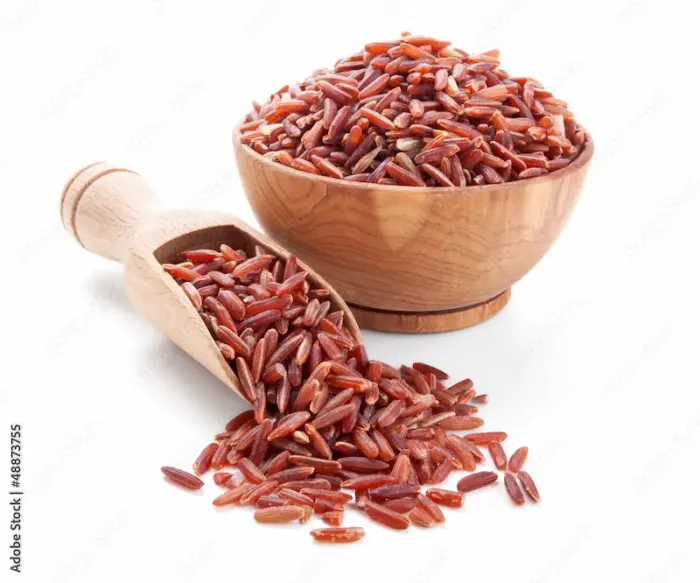
Red rice is a whole-grain rice with a naturally red or reddish-brown bran layer. That outer bran and germ are left intact (unlike white rice), which is why it has a chewier texture, nutty flavour, and more fibre. The red colour comes from plant compounds called anthocyanins—antioxidants also found in berries and purple vegetables.
Because red rice is a whole grain, it generally provides:
• Dietary fiber
• B vitamins (such as niacin and thiamin)
• Minerals like magnesium and phosphorus
• Antioxidant pigments (anthocyanins) in pigmented varieties
Exact nutrient amounts vary by rice variety and growing conditions, but red rice is nutritionally similar to other whole-grain rice types.
Red Rice Benefits: What Science Says about Whole Grains
While studies that look specifically at red rice are limited, there’s strong research on whole grains overall. Choosing whole grains in place of refined grains is linked with:
• Better heart health: Regular intake of whole grains is associated with a lower risk of heart disease.
• Blood sugar support: Whole grains tend to have more fibre and intact structure, which can help with slower digestion and steadier blood sugar responses.
• Healthy weight maintenance: Higher whole-grain intake is linked with less weight gain over time.
• Digestive health: Fibre supports regularity and a healthier gut environment.
Pigmented rice (like red and black varieties) also contains anthocyanins with antioxidant activity. Early research suggests these compounds may add to the health benefits, but human studies are still limited. So, think of red rice as a flavorful way to get the proven advantages of whole grains, with a bonus of natural plant pigments.
How Red Rice Fits a Whole-Grains Eating Pattern?
Health organisations recommend making whole grains a daily part of your diet. Red rice can help you eat more whole grains by replacing white rice or other refined grains in meals you already love. Try it in:
• Stir-fries and grain bowls
• Lentil or bean dishes
• Soups and stews for added body and fibre
• Mixed with other whole grains (quinoa, barley) for varied texture
• Simple sides with herbs, lemon, and olive oil
Portion tip: As a general plate guide, aim for about one-quarter of your plate to be grains/starches, one-quarter protein, and half non-starchy vegetables. This balance helps manage calories and blood sugar while keeping meals satisfying.
Red Rice in the Ayurvedic Diet: Traditional Uses and View
In Ayurveda, red rice (often described as rakta shali or similar terms in traditional texts) is valued in certain regions and traditions for its hearty, grounding qualities.
Common traditional perspectives include:
• Hearty and satisfying: Often used to support energy and satiety.
• Suited to everyday meals: Common in traditional preparations like porridges, kichari variations, and seasonal rice dishes.
• Balance-focused: Selection and preparation may be tailored to individual constitution (prakriti), season, and digestive strength.
Important note: Ayurvedic uses reflect traditional wisdom. Modern clinical research on red rice specifically is limited. If you follow an Ayurvedic diet, consider red rice as one of several whole-grain options, and personalise choices with a qualified practitioner if you have medical conditions.
Top Red Rice Benefits at a Glance
Here are some red rice benefits:
• Nutrient retention: Keeping the bran and germ means more fibre and micronutrients than refined rice.
• Antioxidant pigments: The red hue signals anthocyanins, natural plant compounds with antioxidant activity.
• Versatile and satisfying: Pairs well with proteins and vegetables to build balanced meals.
• Whole-grain swap: An easy way to increase your intake of whole grains without changing your cuisine style.
Nutrition Snapshot: What You’re Likely Getting
As a whole-grain rice, red rice typically provides:
• Fibre: Helps with fullness and digestive health.
• B vitamins: Support energy metabolism.
• Minerals: Magnesium and phosphorus contribute to muscle, nerve, and bone health.
• Antioxidants: Anthocyanins add colour and potential oxidative stress protection.
Because varieties differ, check nutrition labels when available, or use standard whole-grain rice values as a guide.
Side Effects, Precautions, and Who Should Be Careful
Most people can enjoy red rice as part of a balanced diet. Still, a few points are worth noting:
Don’t confuse red rice with red yeast rice supplements:
These are different products. Red yeast rice is a fermented supplement that can contain statin-like compounds (monacolin K) and may interact with medications. Red rice, the whole grain, does not contain these compounds.
Arsenic in rice:
Rice can accumulate inorganic arsenic from soil and water. Whole-grain rice (including red rice) retains the bran, where more arsenic can be found compared with white rice. To reduce exposure:
• Rinse rice thoroughly before cooking.
• Cook in extra water (for example, 6 cups water to 1 cup rice) and drain the excess; this method can reduce arsenic content.
• Vary your grains (quinoa, oats, barley, buckwheat) to avoid relying on rice as your only staple.
Blood sugar considerations:
Even whole grains raise blood glucose. If you have diabetes or prediabetes, watch portions, pair red rice with protein, healthy fats, and fibre-rich vegetables, and monitor your glucose response.
Gluten-free eating:
Rice is naturally gluten-free. If you have celiac disease or non-celiac gluten sensitivity, choose products labelled gluten-free to avoid cross-contact during processing.
Allergies:
Rice allergy is uncommon but possible. If you experience itching, hives, or breathing trouble after eating rice, seek medical care.
Who Might Benefit Most from Choosing Red Rice?
Here’s who might benefit the most from choosing red rice:
• People looking to increase fibre and nutrient density compared with white rice
• Those aiming to eat more whole grains without major changes to familiar recipes
• Individuals seeking variety in grain choices, including in an Ayurvedic diet
• Anyone who enjoys nutty flavour and hearty texture in their meals
Smart Cooking and Meal Tips
Here are some smart cooking tips:
• Rinse well: Place red rice in a fine-mesh sieve and rinse until water runs clearer.
• Use extra water if desired: Cooking in excess water and draining can help reduce arsenic. For everyday meals, a standard absorption method (about 1.75–2 cups water per cup of rice, depending on variety) also works—choose the method that fits your goals.
• Flavour boosters: Toast rinsed rice briefly in a dry pan, then simmer with bay leaf, cardamom, or a small piece of cinnamon bark for a fragrant base.
• Build balanced bowls: Combine red rice with beans or lentils, leafy greens, and a lean protein (fish, tofu, chicken, or eggs), plus a drizzle of olive or mustard oil.
• Batch-cook and cool: Refrigerate leftovers promptly and use within a few days.
How Often Can You Eat Red Rice?
There isn’t a single “best” frequency. Many health organisations recommend making whole grains a daily habit. You can rotate red rice with other whole grains (oats, barley, buckwheat, quinoa) to diversify nutrients and help limit arsenic exposure from rice.
Is Red Rice Right for You?
If you enjoy its texture and taste, red rice is a simple way to add more whole grains to your meals. For most healthy adults, it can be part of a nutritious pattern that emphasises vegetables, fruits, legumes, lean proteins, nuts, seeds, and healthy fats. If you live with diabetes, kidney disease, celiac disease, or you are pregnant or feeding young children, follow your clinician’s advice and vary grain choices as recommended by public health guidance.
More articles from General Medical Consultation





Frequently Asked Questions
1) Is red rice a whole grain?
Yes. Red rice retains the bran and germ, so it is considered part of whole grains. That’s why it typically offers more fibre and micronutrients than white rice.
2) What are the top red rice benefits?
The main red rice benefits come from it being a whole-grain rice: more fibre, more micronutrients, and antioxidant pigments compared with white rice. As with other whole grains, regularly choosing it instead of refined grains is linked with better heart and metabolic health.
3) Can I eat red rice on an ayurvedic diet?
Yes. Red rice is traditional in many regions and can fit well in an ayurvedic diet. Preparation and portion can be adjusted based on individual constitution, season, and digestion. For medical conditions, consult your healthcare provider and, if you wish, an Ayurvedic practitioner.
4) Does red rice lower blood sugar?
Red rice is digested more slowly than white rice for many people, largely due to its fibre and intact structure. However, it still raises blood sugar. Keep portions moderate, pair with protein and vegetables, and monitor your personal response if you have diabetes.
5) Are there any side effects of red rice?
Red rice is generally safe as food. Key cautions include possible arsenic exposure common to all rice (rinsing, cooking in extra water, and varying grains can help), rare rice allergy, and not confusing it with red yeast rice supplements, which can act like statins and interact with medications.