Uterus Removal Surgery: Overview and Options
Learn about uterus removal surgery (hysterectomy), including types, reasons, recovery, and alternatives. Understand what to expect and how to prepare for this common gynecological procedure.

Written by Dr. J T Hema Pratima
Reviewed by Dr. Dhankecha Mayank Dineshbhai MBBS
Last updated on 13th Jan, 2026
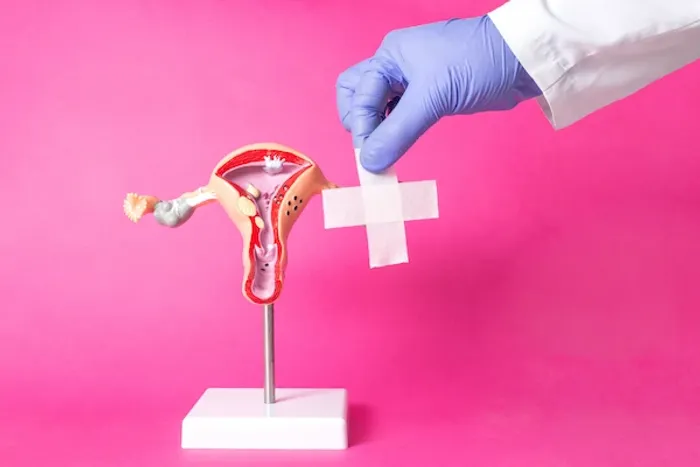
If you or a loved one has been advised to undergo uterus removal surgery, you may have questions, concerns, or even fears about the procedure. This article aims to provide clear, compassionate, and helpful information about what uterus removal surgery involves, why it might be needed, and the different options available.
What is Uterus Removal Surgery?
Uterus removal surgery, medically known as a hysterectomy, is a surgical procedure to remove a woman’s uterus (womb). Depending on the reason for the surgery, the doctor may also remove other reproductive organs, such as the ovaries and fallopian tubes.
A hysterectomy is a major surgery, but it is also one of the most common procedures performed on women. It can be life-changing, especially if it helps relieve chronic pain, heavy bleeding, or serious health conditions.
Why Might You Need a Hysterectomy?
Doctors may recommend a hysterectomy for several health reasons, including:
1. Fibroids: Non-cancerous growths in the uterus that can cause pain, heavy bleeding, or pressure on other organs.
2. Endometriosis: A condition where uterine-like tissue grows outside the uterus, causing severe pain and infertility.
3. Uterine Prolapse: When the uterus slips from its normal position into the vaginal canal, leading to discomfort and bladder/bowel issues.
4. Cancer: If there is cancer of the uterus, cervix, or ovaries, a hysterectomy may be necessary.
5. Chronic Pelvic Pain or Abnormal Bleeding: When other treatments fail to provide relief.
Types of Hysterectomy Procedures
There are different types of hysterectomy surgeries, depending on how much is removed:
1. Total Hysterectomy: The entire uterus and cervix are removed.
2. Partial (Supracervical) Hysterectomy: Only the upper part of the uterus is removed, leaving the cervix intact.
3. Radical Hysterectomy: The uterus, cervix, upper part of the vagina, and surrounding tissues are removed (usually for cancer).
4. Hysterectomy with Oophorectomy: The uterus and one or both ovaries are removed.
Surgical Approaches
Hysterectomies can be performed in different ways:
- Abdominal Hysterectomy: The uterus is removed through a large incision in the abdomen. This is usually needed for larger fibroids or cancer.
- Vaginal Hysterectomy: The uterus is removed through the vagina, leaving no external scars. Recovery is usually faster.
- Laparoscopic or Robotic Hysterectomy: Small incisions are made, and a tiny camera and surgical tools are used. This method has quicker recovery and less pain.
Consult Top Doctors
What to Expect Before, During, and After Surgery
Before Surgery
- Your doctor will conduct tests (blood tests, imaging) to ensure you are ready.
- You may need to stop certain medications.
- Discuss anesthesia options (general or spinal).
During Surgery
- The procedure can take 1-3 hours, depending on the type.
- You will be under anesthesia and won’t feel pain.
After Surgery (Recovery)
- Hospital Stay: 1-3 days (longer for abdominal surgery).
- Pain & Discomfort: You may have soreness, bloating, or mild bleeding.
- Rest & Restrictions: Avoid heavy lifting, driving, or sex for 4-6 weeks.
- Emotional Changes: Some women experience mood swings due to hormonal shifts (especially if ovaries are removed).
Life After a Hysterectomy
Physical Changes
- No More Periods: If the uterus is removed, menstruation stops.
- Menopause (if ovaries are removed): You may experience hot flashes, vaginal dryness, and mood changes. Hormone therapy may help.
- No Pregnancy: Since the uterus is gone, pregnancy is not possible.
Lifestyle Adjustments
- Exercise Gradually: Start with light walking, then slowly increase activity.
- Healthy Diet: Eat fiber-rich foods to prevent constipation post-surgery.
- Pelvic Floor Exercises: Strengthening pelvic muscles can help with bladder control.
When to Seek Medical Help After Surgery
Contact your doctor if you experience:
- Heavy bleeding
- Fever or chills
- Severe pain or swelling
- Difficulty urinating
Exploring Alternatives to Hysterectomy
If you’re unsure about surgery, discuss alternatives with your doctor, such as:
- Medications (for fibroids or endometriosis)
- Uterine Artery Embolization (for fibroids)
- Endometrial Ablation (for heavy bleeding)
Need Expert Advice?
If you have concerns about uterus removal surgery or want to explore treatment options, you can book a consultation with an Apollo24|7 specialist today. Our experts will guide you through the process and help you make an informed decision.
Conclusion
A hysterectomy is a significant decision, but for many women, it brings relief from pain and improves quality of life. If you’re considering this surgery, consult a trusted gynecologist to discuss the best option for your health.
Consult Top Doctors
Consult Top Doctors

Dr. Surpreet Kaur Sandhu
Obstetrician and Gynaecologist
20 Years • MBBS MS (OBS Gyn). Fellowship in Minimally Invasive Gynecology Surgery & Fellowship in Advanced Infertility Training (FOGSI)
Delhi
Apollo Hospitals Indraprastha, Delhi

(200+ Patients)

Dr. Ranjana Sharma
Obstetrician and Gynaecologist
42 Years • MBBS, MS, MRCOG (UK), FROG (UK), MFFP (UK), FICOG, PG Cert in Medical Education (UK)
Delhi
Apollo Hospitals Indraprastha, Delhi
(200+ Patients)

Dr. Sreeparna Roy
Obstetrician and Gynaecologist
8 Years • MBBS , MS (OBSTETRICS & GYNAECOLOGY), Fellowship in Infertility, Endoscopy & Ultrasonography), Fellowship in Laparoscopy & Hysteroscopy,DRM
Kolkata
Dr Utsa Basu Clinic, Kolkata

Dr. Dershana P Rajaram
Obstetrician and Gynaecologist
35 Years • MBBS, DGO
Bangalore
Apollo Clinic Bellandur, Bangalore

Dr. Revathi S Rajan
Obstetrician and Gynaecologist
24 Years • MBBS, DGO, DNB.FFMM
Bengaluru
Apollo Clinic, JP nagar, Bengaluru
Consult Top Doctors
Dr. Surpreet Kaur Sandhu
Obstetrician and Gynaecologist
20 Years • MBBS MS (OBS Gyn). Fellowship in Minimally Invasive Gynecology Surgery & Fellowship in Advanced Infertility Training (FOGSI)
Delhi
Apollo Hospitals Indraprastha, Delhi
(200+ Patients)
Dr. Ranjana Sharma
Obstetrician and Gynaecologist
42 Years • MBBS, MS, MRCOG (UK), FROG (UK), MFFP (UK), FICOG, PG Cert in Medical Education (UK)
Delhi
Apollo Hospitals Indraprastha, Delhi
(200+ Patients)
Dr. Sreeparna Roy
Obstetrician and Gynaecologist
8 Years • MBBS , MS (OBSTETRICS & GYNAECOLOGY), Fellowship in Infertility, Endoscopy & Ultrasonography), Fellowship in Laparoscopy & Hysteroscopy,DRM
Kolkata
Dr Utsa Basu Clinic, Kolkata
Dr. Dershana P Rajaram
Obstetrician and Gynaecologist
35 Years • MBBS, DGO
Bangalore
Apollo Clinic Bellandur, Bangalore
Dr. Revathi S Rajan
Obstetrician and Gynaecologist
24 Years • MBBS, DGO, DNB.FFMM
Bengaluru
Apollo Clinic, JP nagar, Bengaluru