

What Are Montgomery Tubercles & More
Montgomery tubercles explained: causes, normal breast changes, pregnancy symptoms, research, care tips, and when to see a doctor.

Written by Dr. Mohammed Kamran
Reviewed by Dr. D Bhanu Prakash MBBS, AFIH, Advanced certificate in critical care medicine, Fellowship in critical care medicine
Last updated on 14th Jan, 2026
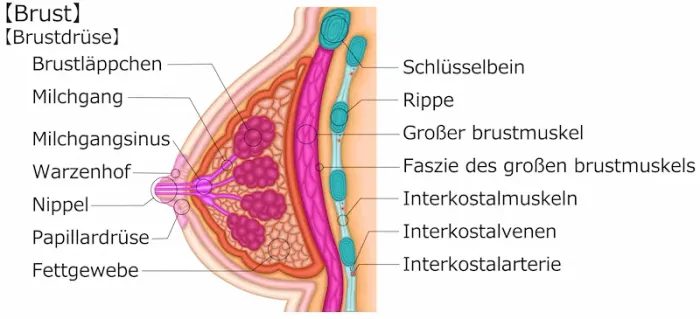
Introduction
If you have noticed small, painless bumps on your areola, you are most likely seeing Montgomery tubercles. These tiny structures are a normal and extremely common part of breast anatomy, though many people only notice them during hormonal changes or times when the breast becomes more sensitive. Because changes in the breast can cause anxiety, understanding what is normal helps prevent unnecessary worry. It also helps you recognise when something changes in a way that deserves a professional check.
Montgomery tubercles often become more visible during periods of hormonal fluctuation, including puberty, the menstrual cycle, pregnancy, breastfeeding, and hormonal medication use. Knowing what these glands do, why they change, and how to care for your breast skin can provide reassurance and clarity.Consult a Top General Practitioner for Personalised Advice
What Are Montgomery Tubercles?
Montgomery tubercles are small, oil-producing glands located just beneath the surface of the areola. They appear as raised bumps and are sometimes called areolar or Montgomery glands. Their main functions include:
• Releasing natural oils that moisturise and protect the nipple and areola
• Helping reduce irritation and cracking, especially during pregnancy and breastfeeding
• Providing a protective barrier that may have antimicrobial properties
These bumps vary widely in appearance. Some people have just a few barely visible ones, while others have many prominent ones. Both patterns are completely normal.
Why are Montgomery Tubercles Noticeable?
Hormones strongly influence these glands. When hormone levels rise or fluctuate, the glands can enlarge and become more visible on the skin’s surface.
Common Times You May Notice Them
• Puberty or during parts of the menstrual cycle
• Early pregnancy and the months that follow
• Breastfeeding and periods of frequent nipple stimulation
• When using hormonal contraception or other hormone-based treatments
These changes reflect the body’s natural response to preparation for breastfeeding or shifts in reproductive hormones. Many people notice the bumps growing larger, becoming more numerous, or standing out more clearly against the areola.
How Montgomery Tubercles Look And Feel
Montgomery tubercles' appearance, sensation features are as below:
Typical Appearance And Sensation
• Appearance: Small, rounded bumps that may be skin-coloured or slightly lighter or darker
• Texture: Smooth, soft, and not usually tender
• Symmetry: May appear on one or both breasts, with no requirement for perfect matching
• Secretion: A light, natural oil may be present; this is normal
• Size changes: Hormones may cause temporary increases in size or number
Because these glands sit on the surface of the areola, they are visually different from deeper breast lumps. Their surface-level placement is one of the easiest ways to distinguish them from other breast changes.
Are Montgomery Tubercles A Sign Of Pregnancy?
Montgomery tubercles can become more prominent during early pregnancy, but they are not a reliable pregnancy sign on their own. Hormonal changes during a typical cycle may cause similar effects.
If You Suspect Pregnancy
• Take a home pregnancy test after a missed period
• Follow up with a healthcare professional for confirmation
• Monitor other early signs such as breast tenderness, fatigue, nausea, and increased urination
Because these symptoms overlap with other conditions, testing is the most accurate way to know.
What’s Normal And What’s Not?
Here is what is normal and what is not:
Normal Features
• Small, painless bumps on the areola
• Fluctuating size or visibility across the month
• Light natural oil or moisturising secretions
When To Contact A Healthcare Professional?
See a healthcare professional when:
• Redness, warmth, and swelling around the bumps
• Significant or increasing pain
• A lump deeper within the breast tissue
• Persistent nipple changes such as crusting, scaling, or inversion
• Unusual discharge, including pus or blood
• Skin changes such as dimpling or an orange peel appearance
Not all breast changes are serious, but early evaluation is always a sensible step when symptoms fall outside the normal range.
How To Care For Your Areolas and Nipples?
The care for areolas and nipples involves:
Gentle Day-To-Day Care
• Clean with lukewarm water rather than harsh soaps or scrubs
• Avoid products containing alcohol, fragrance, or irritating chemicals
• Use a simple, fragrance-free moisturiser if dryness occurs
• Avoid squeezing or picking the bumps
• Wear breathable, well-fitting bras with soft seams
If You Are Breastfeeding
• Seek support for latch and positioning to reduce nipple irritation
• Clean with water only; frequent use of soaps may dry the skin
• Ask a professional about safe moisturisers, such as purified lanolin, if appropriate
Maintaining gentle care can reduce irritation and help the natural oils from the glands support the skin’s barrier.
How Common Are Montgomery Tubercles?
Montgomery tubercles are very common, and almost everyone with breasts has them, regardless of age or reproductive status. You may have more on one breast than the other, and you may notice them more during certain phases of your life. Variation is entirely normal.
Do Montgomery Tubercles Go Away?
The glands themselves do not disappear because they are part of normal breast anatomy. However, their visibility often becomes less noticeable when hormone levels stabilise. After pregnancy, breastfeeding, or hormonal changes, the bumps may shrink or blend more naturally into the surrounding skin.
Montgomery Tubercles Vs Breast Lumps
Montgomery tubercles are positioned on the surface of the areola and are typically small, smooth, soft, and painless. Concerning breast lumps tend to:
• Form deeper in the breast tissue
• Feel hard or irregular
• Change shape or size over time
• Not resembling small areola bumps
Any lump within the breast tissue, rather than on the areola surface, should be assessed by a professional.
Research Spotlight: What Are These Glands?
The purpose of Montgomery glands includes:
Skin Protection And Lubrication
The secretions from Montgomery glands help maintain moisture in the nipple and areola. This function becomes especially valuable during pregnancy and breastfeeding, when the skin is more vulnerable to cracking and irritation.
Possible Antimicrobial Action
The natural oils may create a subtle barrier that helps reduce the risk of irritation or infection. This helps explain why healthy, intact skin is vital during breastfeeding.
Newborn Scent Attraction
Research shows that newborns can respond to the scent of secretions from these glands. This may play a role in guiding infants to the breast and supporting early feeding behaviour. Normal hygiene is all that is needed; there is no need to enhance or alter this natural process.
When To See A Healthcare Professional?
See a healthcare professional when:
• You are unsure whether a bump is normal
• There is redness, warmth, or discharge
• A deeper breast lump develops
• There are systemic symptoms such as fever
• The nipple becomes inverted or develops persistent crusting
• You notice skin dimpling or thickening
Conclusion
Montgomery tubercles are a normal and essential part of breast anatomy. They help protect the nipple and areola and often become more visible during hormonal changes, pregnancy, or breastfeeding. Most of the time, they require no special care beyond gentle hygiene and supportive clothing. By understanding how these glands work and recognising normal variations, you can feel more confident about your breast health. Always seek medical advice if you notice unusual changes, discomfort, or symptoms that do not match your usual pattern. Paying attention to your body and caring for your skin with patience and reassurance can support long-term comfort and well-being.Consult a Top General Practitioner for Personalised Advice
Consult a Top General Practitioner for Personalised Advice

Dr Suseela
General Physician
5 Years • MBBS
Bengaluru
Apollo Medical Center, Marathahalli, Bengaluru

Dr. Rajib Ghose
General Physician/ Internal Medicine Specialist
25 Years • MBBS
East Midnapore
VIVEKANANDA SEBA SADAN, East Midnapore

Dr. Utsa Basu
Preventive Medicine Specialist
15 Years • MBBS, MD (Master in Public Health), PG Course in Advanced Diabetes
Jadunath Bati
Sugarfit, Jadunath Bati
Dr. Ashita Kuruvilla
General Practitioner
7 Years • MBBS
Kolkata
KVC CLINIC, Kolkata
Dr. Moumita Roy
General Physician/ Internal Medicine Specialist
8 Years • MBBS , MD (Anesthesiology)
Kolkata
VDC Clinic, Kolkata
Consult a Top General Practitioner for Personalised Advice
Dr Suseela
General Physician
5 Years • MBBS
Bengaluru
Apollo Medical Center, Marathahalli, Bengaluru
Dr. Rajib Ghose
General Physician/ Internal Medicine Specialist
25 Years • MBBS
East Midnapore
VIVEKANANDA SEBA SADAN, East Midnapore
Dr. Utsa Basu
Preventive Medicine Specialist
15 Years • MBBS, MD (Master in Public Health), PG Course in Advanced Diabetes
Jadunath Bati
Sugarfit, Jadunath Bati
Dr. Ashita Kuruvilla
General Practitioner
7 Years • MBBS
Kolkata
KVC CLINIC, Kolkata
Dr. Moumita Roy
General Physician/ Internal Medicine Specialist
8 Years • MBBS , MD (Anesthesiology)
Kolkata
VDC Clinic, Kolkata
More articles from General Medical Consultation





Frequently Asked Questions
1) Are Montgomery Tubercles Normal?
Yes. They are completely normal structures and appear in many people, often changing with hormonal rhythms.
2) How Many Montgomery Tubercles Does A Person Have?
This varies widely. Some may have a handful, while others have many more. Differences between the left and right breasts are common.
3) Can Montgomery Tubercles Get Infected?
It is uncommon, but irritation or infection can occur, particularly if the skin is picked or squeezed. Redness, swelling, pain, or pus-like discharge should prompt medical attention.
4) Do Montgomery Tubercles Mean I’m Pregnant?
Not necessarily. They may enlarge in early pregnancy, but similar changes occur with menstrual cycles and hormonal shifts. Testing is the only reliable method.
5) Are Montgomery Tubercles A Sign Of Breast Cancer?
No. They are normal glands. However, any new or concerning change in deeper breast tissue should be examined.