


White Onion: Benefits & Nutrition
Curious about white onion benefits? Explore nutrition, gut and heart health perks, tips, side effects, and FAQs from trusted medical sources.

Written by Dr. Siri Nallapu
Reviewed by Dr. Shaik Abdul Kalam MD (Physician)
Last updated on 13th Jan, 2026
Introduction
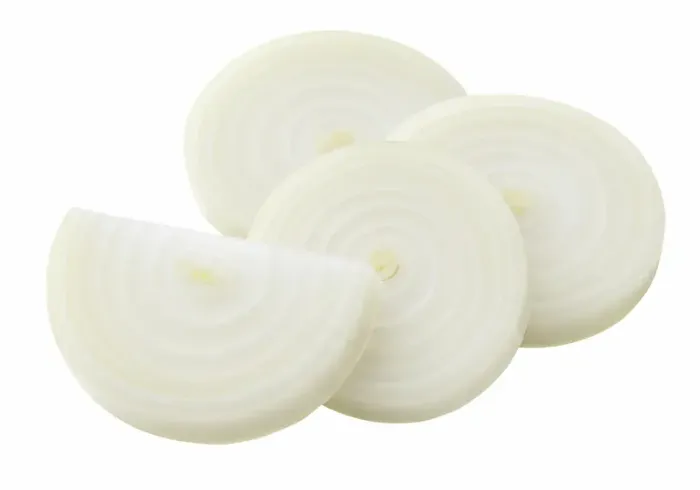
White onions are a crisp, aromatic staple in kitchens around the world. But beyond flavour, what are the real white onion benefits for your health? In this guide, you’ll learn what’s inside a white onion, how it may support your body, the best ways to use it, and who might want to be cautious. Everything here is simple, practical, and grounded in trusted health sources.
What Makes White Onions Healthy? Nutrition At A Glance
White onions are low in calories and packed with compounds that support overall health. While red and yellow onions get attention for their colourful antioxidants, white onions still offer valuable nutrients.
Key Nutrition Highlights
• Low in calories: A typical serving adds flavour without many calories.
• Fibre: Contributes to digestive health and helps you feel satisfied after meals.
• Vitamin C: Supports immune function and tissue repair.
• Vitamin B6 and folate: Help your body convert food into energy.
• Potassium (modest amounts): Supports normal fluid balance and muscle function.
• Antioxidants and plant compounds: Including flavonoids like quercetin and sulphur-containing compounds found in allium vegetables (onions, garlic, leeks).
Antioxidants And Plant Compounds In White Onions
• Flavonoids (like quercetin): Antioxidants that help protect cells from oxidative stress. Red and yellow onions typically have more flavonoids, but white onions still contribute.
• Sulphur compounds: Give onions their distinct aroma and may play a role in heart and metabolic health, according to early research.
• Prebiotic fibres (inulin and fructooligosaccharides): Feed beneficial gut bacteria, supporting a healthy microbiome.
Top White Onion Benefits
White onions can play a helpful role in a balanced diet. Here are the most commonly discussed white onion benefits, with a realistic look at what the science says.
1) Supports Gut Health
• Prebiotic fibres in onions feed beneficial gut bacteria. A diverse, well-nourished microbiome is linked to better digestion, immune function, and overall well-being.
• If you have irritable bowel syndrome (IBS) and follow a low-FODMAP plan, note that onions are high in fructans (a type of FODMAP). You may need to limit or avoid them to reduce symptoms, more on this below.
2) Helpful For Heart-Healthy Eating Patterns
• Diets rich in vegetables, including onions, are associated with better heart health.
• Antioxidants like quercetin help counter oxidative stress, and fibre supports healthy cholesterol levels as part of an overall heartsmart eating pattern.
• While early research suggests allium vegetables may support heart health, it’s best to view onions as one piece of a larger, healthy diet and lifestyle.Consult a Top General Physician
3) Blood-sugar Friendly Addition
• White onions are low in calories and carbohydrates per typical serving, and they provide fibre, which helps slow digestion when paired with other foods.
• They can fit easily into blood-sugar-friendly meals (think veggie-heavy stirfries, salads, and soups).
• Some lab and small human studies hint that onion compounds may influence metabolic markers, but more high-quality research is needed. Onions should not replace diabetes care or medications.
4) Everyday Immune Support
• Onions provide vitamin C, which supports immune function, collagen formation, and wound healing.
• Antioxidants and a healthy gut microbiome also play roles in immune health. Still, no single food “boosts” immunity; focus on overall dietary patterns, sleep, activity, and stress management.
5) Weight Management Ally
• Flavour for a few calories: Onions add depth and satisfaction to meals without heavy calorie costs.
• Fibre helps promote fullness, which may support weight management when combined with balanced meals and regular activity.
White Onion Vs. Red And Yellow Onions: What’s Different?
White, red, and yellow onions differ in flavour, sweetness, texture, and ideal use (raw vs. cooked):
• Flavour and texture: White onions are crisp with a sharper bite and are great raw (salsas, salads) and in quick sautés.
• Antioxidants: Red onions are richest in anthocyanins (the red-purple pigments). Yellow onions often contain more total flavonoids than white. Still, all onions share similar core nutrients and can be part of a healthy diet.
• Cooking tips: Water-soluble vitamins like vitamin C can decrease with high heat and long cooking. Using onions in soups, stews, or sauces helps keep nutrients in the dish. Both raw and cooked onions have a place in healthy eating.
How To Add More White Onions To Your Meals?
You don’t need to eat a lot to benefit; regular, varied use adds up.
Quick Raw Ideas
• Toss thinly sliced white onions into salads for crunch.
• Add fresh salsa, pico de gallo, or guacamole.
• Layer onto sandwiches, wraps, or tacos.
Easy Cooked Ideas
• Sauté with bell peppers, mushrooms, or zucchini for a simple side.
• Start soups, stews, or curries with a base of onions for flavour and nutrients.
• Roast onion wedges with olive oil, herbs, and a squeeze of lemon.
• Stir into wholegrain dishes (brown rice, quinoa) with beans and greens.
Smart Pairing Tips
• Combine with vitamin C–rich produce (tomatoes, peppers, citrus) to support overall nutrient intake.
• Pair with legumes, whole grains, and lean proteins to build balanced meals that support blood sugar and heart health.
Possible Side Effects And Who Should Be Careful?
Onions are safe for most people, but some may need to take precautions.
• IBS and FODMAPs: Onions are high in fructans, which can trigger gas, bloating, or discomfort in people with IBS. A low-FODMAP diet often limits onions. If this applies to you, speak with a clinician or dietitian about tailored strategies.
• Heartburn/GERD: Onions (especially raw) can aggravate reflux symptoms in some people. If you have GERD, monitor your symptoms and adjust your intake accordingly.
• Allergies: True onion allergy is uncommon but possible. Symptoms can include hives, swelling, difficulty breathing, or digestive issues. Seek medical care if you suspect an allergy.
• Medication considerations: Onions generally fit well within heart-healthy and diabetes-friendly diets. If you take prescription medications or follow a therapeutic diet, discuss any concerns with your healthcare provider.
Buying, Storage, And Safety Tips
Essential guidance for successful selection, preservation, and safe handling:
• Choose: Look for firm, heavy onions with dry, papery skins. Avoid soft spots, mold, or sprouts.
• Store whole onions: Keep in a cool, dark, well-ventilated place. Avoid storing near potatoes, which can hasten spoilage.
• Store cut onions: Refrigerate promptly in a sealed container and use within several days.
• Food safety: Wash your hands, cutting board, and knife before and after handling produce. Rinse whole onions under running water before peeling/cutting. Refrigerate perishable foods within 2 hours and keep your fridge at 40°F (4°C) or below.
White Onion Benefits: What Does Science Say? Realistic Expectations
It’s tempting to focus on single “superfoods,” but health benefits come from overall patterns. The most reliable evidence supports:
• Eating a variety of vegetables daily (onions included) for heart, metabolic, and overall health.
• Getting enough fibre and prebiotics for a resilient gut microbiome.
• Using antioxidant-rich foods regularly.
Early findings connect allium vegetables with potential heart and metabolic benefits, and white onions contribute fibre, vitamin C, and helpful plant compounds. At the same time, the exact impact of white onions alone is harder to pin down. Think of them as a versatile, affordable, and tasty part of a nutrient-rich diet, one that includes plenty of vegetables, fruits, whole grains, legumes, nuts, seeds, and healthy fats.
Consult a Top General Physician
Consult a Top General Physician

Dr. Impana G N
Physician/ Internal Medicine/ Covid Consult
11 Years • MBBS,DNB FAMILY MEDICINE, MNAMS ,CCEBDM
Mysuru
Apollo BGS Hospital Adichuchanagiri Road, Mysuru

Dr. Soumen Paul
General Practitioner
24 Years • MBBS
Kolkata
MCR SUPER SPECIALITY POLY CLINIC & PATHOLOGY, Kolkata

(25+ Patients)

Dr. Abhishek Ranjan
General Practitioner
4 Years • MBBS
Kolkata
VDC Clinic, Kolkata

Dr. Abhishek Gowda
General Physician/ Internal Medicine Specialist
3 Years • MBBS MD General Medicine
Bengaluru
PRESTIGE SHANTHINIKETAN - SOCIETY CLINIC, Bengaluru

Dr. Swagato Podder
General Practitioner
5 Years • MBBS
Kolkata
GRD POLYCLINIC, Kolkata
Consult a Top General Physician
Dr. Impana G N
Physician/ Internal Medicine/ Covid Consult
11 Years • MBBS,DNB FAMILY MEDICINE, MNAMS ,CCEBDM
Mysuru
Apollo BGS Hospital Adichuchanagiri Road, Mysuru
Dr. Soumen Paul
General Practitioner
24 Years • MBBS
Kolkata
MCR SUPER SPECIALITY POLY CLINIC & PATHOLOGY, Kolkata
(25+ Patients)
Dr. Abhishek Ranjan
General Practitioner
4 Years • MBBS
Kolkata
VDC Clinic, Kolkata
Dr. Abhishek Gowda
General Physician/ Internal Medicine Specialist
3 Years • MBBS MD General Medicine
Bengaluru
PRESTIGE SHANTHINIKETAN - SOCIETY CLINIC, Bengaluru
Dr. Swagato Podder
General Practitioner
5 Years • MBBS
Kolkata
GRD POLYCLINIC, Kolkata
More articles from General Medical Consultation




Frequently Asked Questions
1. What are the top white onion benefits?
They provide prebiotic fibre for gut health, vitamin C for immune support, antioxidants like quercetin, and flavour with few calories. When used regularly in balanced meals, they can support heart-healthy and blood-sugar-friendly eating patterns.
2. Are white onions as healthy as red or yellow onions?
All onions have similar core nutrients. Red onions have extra anthocyanins, and yellow onions often contain more total flavonoids than white onions. But white onions still deliver fibre, vitamin C, and helpful plant compounds. Choose the type you enjoy and will eat often.
3. Can white onions help with weight loss?
Onions are low in calories and add a satisfying flavour, which can help you enjoy more vegetables and fibre-rich meals. No single food causes weight loss, but onions can support a calorie-conscious, nutrient-dense eating pattern.
4. I have IBS. Can I eat white onions?
Onions are high in FODMAPs and commonly trigger symptoms in IBS. Many people with IBS limit or avoid them, especially raw. Work with a clinician or dietitian to personalize your plan.
5. How often should I eat onions to get benefits?
There’s no strict rule. Aim to include vegetables (including onions) daily. Using onions in soups, sautés, salads, and wholegrain dishes several times a week is a practical approach.