



Yellow Dragon Fruit: Health Benefits You Need to Know
Discover yellow dragon fruit nutrition, Pitaya benefits, and how to enjoy this exotic fruit safely. Tips, serving ideas, and science-backed facts.

Introduction
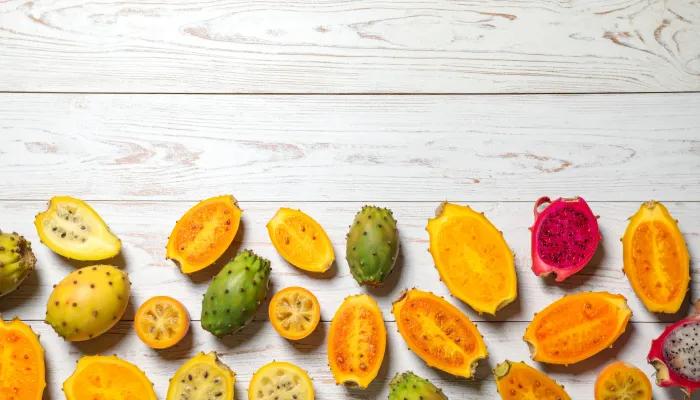
Yellow dragon fruit is a bright, sweet cactus fruit that has grown in popularity among fans of tropical and exotic produce. Also known as yellow pitaya, it is refreshing, juicy, lightly floral, and rich in water and fibre. If you have been curious about Pitaya benefits or want to understand why this fruit is gaining more attention, this guide explains its nutritional profile, its potential health-supporting properties, how to choose and prepare it, and what to know when adding it to your everyday routine. Because it is easy to enjoy and adaptable to many dishes, yellow dragon fruit can suit a wide range of preferences, from simple snacking to creative recipe use.Consult a Top Nutritionist for Personalised Advice
What Is Yellow Dragon Fruit?
The basic information of the yellow dragon fruit includes:
Botanical Basics
• Yellow dragon fruit comes from Selenicereus megalanthus, a cactus species that produces yellow-skinned fruit with white flesh and small black seeds.
• Its natural growing regions include warm, tropical climates across Central and South America and parts of Asia.
Taste And Texture
• Sweeter and more aromatic than pink or red varieties
• Juicy, soft flesh with a texture similar to kiwi or pear
• Mild floral notes that enhance its dessert-like flavour
Availability
• Typically found in supermarkets, international markets, and speciality shops
• Most commonly available when imported from tropical countries during peak seasons
Quick Nutrition Snapshot
Nutrition at a glance:
General Nutritional Features
• Low in calories
• High water content for hydration
• A source of dietary fibre
• Provides vitamin C
• Contains small amounts of potassium, magnesium, and iron
Antioxidant Content
• Contains antioxidants, including vitamin C and natural plant compounds such as polyphenols
• These compounds help support the body’s defence against oxidative stress
While nutrient levels can vary by growing conditions and fruit size, yellow dragon fruit contributes meaningfully to hydration, fibre intake, and the overall variety of a balanced diet.
Health Benefits Of Yellow Dragon Fruit
Health benefits include:
Supports Everyday Immune Function
• Vitamin C contributes to the normal function of the immune system
• A fruit-rich diet helps support overall well-being and aligns with global recommendations to consume a variety of fruits and vegetables daily
Gentle Hydration With Natural Electrolytes
• Contains high water content to support daily hydration
• Provides potassium, which contributes to normal muscle and nerve function and supports fluid balance
Digestive Support From Fibre And Prebiotic Potential
• Fibre supports digestive regularity and overall gut comfort
• Contains natural prebiotic-type carbohydrates such as oligosaccharides that may help nourish beneficial gut bacteria
• Early studies suggest potential gut health benefits, though further research is needed
Heart-Friendly Eating Pattern
• Fibre intake is associated with healthy cholesterol management
• Potassium-containing foods support eating patterns linked to healthy blood pressure
• Yellow dragon fruit can complement heart-friendly diets by providing hydration and fibre without heavy calories
A Smart Swap For Added Sugars
• Naturally sweet and lower in calories compared with many desserts
• Helps satisfy sweet cravings while contributing vitamins, fibre, and hydration
Is Yellow Dragon Fruit Good For Blood Sugar?
Like most fruits, yellow dragon fruit contains natural sugars, but these are balanced with water and fibre. For people managing blood sugar:
• Portion size matters
• Pairing fruit with yoghurt, nuts, or similar foods may help slow digestion
• There is limited research specific to yellow dragon fruit and glucose control
• It can fit into a balanced eating plan when portions are monitored
People who use insulin or other glucose-lowering medication should count carbohydrates carefully and observe personal responses.
How To Choose, Ripen, Store and Prepare?
Tips to choose, store and prepare the fruit include:
Choosing
• Look for evenly yellow skin with minimal green patches
• Fruit should feel heavy and slightly soft when pressed
• Avoid fruit with large bruises, mould, or extensive soft spots
Ripening
• If the fruit feels firm, leave it at room temperature for one to three days
• Light pressure should produce a gentle yield when ripe
• Spines can be removed with a cloth before washing
Storage
• Once ripe, refrigerate the whole fruit for several days
• After cutting, store in an airtight container and consume within one to two days
Preparation
• Rinse before cutting to remove any surface contaminants
• Cut lengthwise and scoop out the flesh, or peel and cube it
• Discard skin and spines
Tasty Ways To Enjoy Yellow Dragon Fruit
Various ways to enjoy the fruit include:
• Enjoy chilled slices as a simple snack
• Add cubes to yoghurt bowls with seeds or nuts
• Blend into smoothies with banana, greens, or kefir
• Mix into fruit salads with pineapple, berries, or mint
• Freeze pureed fruit with lime for a refreshing treat
These serving ideas help showcase the fruit's sweetness and juiciness, making it suitable for snacks, breakfasts, or desserts.
How Much Should You Eat?
A typical portion is around one cup of chopped fruit, which counts as one serving. Most adults benefit from a varied intake of fruits and vegetables throughout the day, so yellow dragon fruit can easily be one of several daily servings. Including different colours and types of fruit provides broader nutritional benefits.
Potential Side Effects and Safety Tips
The potential safety and side effects include:
Digestive Changes
• High-fibre fruits can cause gas, bloating, or loose stools if eaten in large amounts
• Increase intake gradually and drink sufficient water
Allergies
• Rare but possible
• Symptoms may include hives, swelling, wheezing, or vomiting
• Seek medical help if symptoms occur
Kidney And Heart Considerations
• Contains potassium
• People with chronic kidney conditions or potassium restrictions should follow medical guidance
Food Safety
• Wash your skin before cutting
• Use clean utensils
• Refrigerate leftovers promptly
Who Might Enjoy Yellow Dragon Fruit?
Individuals or people who enjoy yellow dragon fruit include:
• Those who enjoy exotic or tropical fruits
• People looking for hydrating, fibre-containing snacks
• Individuals aiming to build a gut-friendly diet
• Anyone wanting a naturally sweet alternative to desserts
• Home cooks who enjoy versatile fruits for smoothies and bowls
Yellow Vs Red/Pink Dragon Fruit
The comparison of yellow and red dragon fruit includes:
Key Differences
• Flavour: Yellow is typically sweeter and more aromatic
• Flesh: Yellow has white flesh; red varieties may have white or deep red flesh
• Nutrients: All contain fibre and vitamin C, though antioxidant profiles vary by colour
• Seeds: Yellow varieties have many crunchy seeds that contribute to the fibre texture
Practical Shopping And Prep Tips
The tips of shopping and prep include:
• Buy fruit at different ripeness levels so some are ready immediately
• Rub off small spines with a towel before rinsing
• Freeze extra flesh for smoothies to reduce waste
Key Takeaways
• Yellow dragon fruit is hydrating, sweet, and a source of fibre, water, vitamin C, and minerals
• Potential benefits include immune support, hydration, digestion, and heart-healthy eating patterns
• Easy to prepare and versatile for meals and snacks
• Best enjoyed in balanced portions, especially for those monitoring blood sugarConsult a Top Nutritionist for Personalised Advice
Consult a Top Nutritionist for Personalised Advice

Dr. Ramalinga Reddy
General Physician
5 Years • MBBS MD General medicine
Bengaluru
PRESTIGE SHANTHINIKETAN - SOCIETY CLINIC, Bengaluru

Dr. Gurrala Kartheek Krishna
General Physician
3 Years • MBBS, MD
Bengaluru
PRESTIGE SHANTHINIKETAN - SOCIETY CLINIC, Bengaluru

Mrs Sneha P V
Nutritionist
10 Years • Master of science in Food and Nutrition
Bengaluru
Apollo Clinic, Sarjapur Road, Bengaluru

Adhishesh Kaul
General Physician
6 Years • MBBS
Bengaluru
PRESTIGE SHANTHINIKETAN - SOCIETY CLINIC, Bengaluru

Dt. Ila Sharma
Clinical Nutritionist
18 Years • Master in food & Nutrition
Gurugram
VIPUL GREENS - SOCIETY CLINIC, Gurugram
Consult a Top Nutritionist for Personalised Advice
Dr. Ramalinga Reddy
General Physician
5 Years • MBBS MD General medicine
Bengaluru
PRESTIGE SHANTHINIKETAN - SOCIETY CLINIC, Bengaluru
Dr. Gurrala Kartheek Krishna
General Physician
3 Years • MBBS, MD
Bengaluru
PRESTIGE SHANTHINIKETAN - SOCIETY CLINIC, Bengaluru
Mrs Sneha P V
Nutritionist
10 Years • Master of science in Food and Nutrition
Bengaluru
Apollo Clinic, Sarjapur Road, Bengaluru
Adhishesh Kaul
General Physician
6 Years • MBBS
Bengaluru
PRESTIGE SHANTHINIKETAN - SOCIETY CLINIC, Bengaluru
Dt. Ila Sharma
Clinical Nutritionist
18 Years • Master in food & Nutrition
Gurugram
VIPUL GREENS - SOCIETY CLINIC, Gurugram
More articles from General Medical Consultation

_2.webp)


Frequently Asked Questions
1) What does yellow dragon fruit taste like?
It’s sweet, lightly floral, and very juicy—many people find it sweeter than pink or red dragon fruit. The texture is soft with tiny, crunchy seeds.
2) Is yellow dragon fruit good for weight management?
It can fit into a weight-management plan. It’s relatively low in calories, contains fibre and water that help you feel satisfied, and can be a nutritious swap for high-sugar desserts.
3) Can people with diabetes eat yellow dragon fruit?
Yes, in portion-controlled amounts as part of a balanced eating plan. Pairing it with protein or healthy fat can help. Track your blood glucose to see how your body responds and follow your healthcare team’s advice.
4) Are there any side effects?
Eating large amounts may cause temporary gas or loose stools due to fibre, especially if you’re not used to high-fibre foods. Allergic reactions are rare but possible; stop eating and seek care if symptoms occur.
5) How do I pick a ripe yellow dragon fruit?
Choose fruit with bright yellow skin and a slight give when pressed. Avoid fruit with large soft spots or mould. If it’s firm, leave it to ripen at room temperature for a day or two.