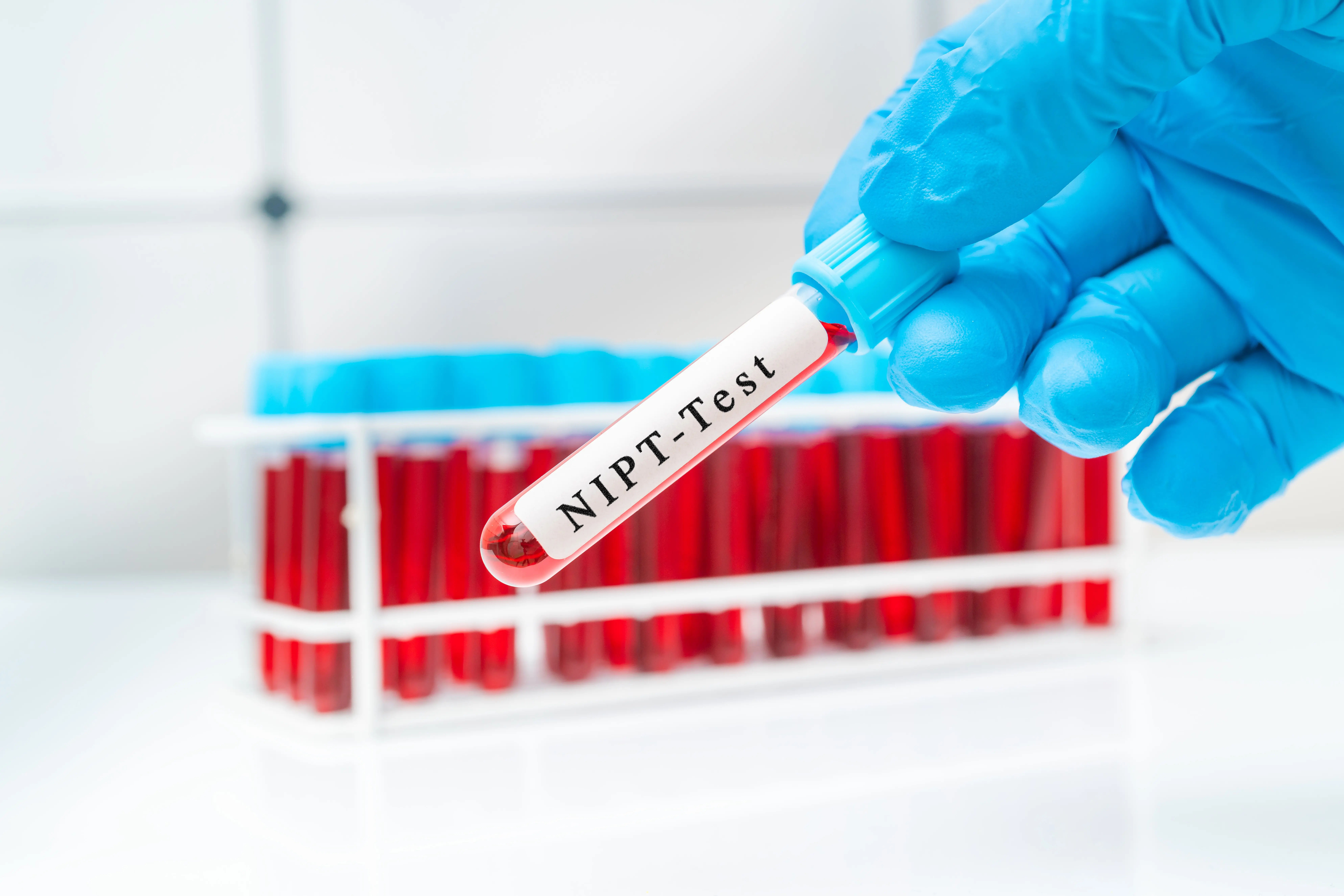
Phenylketonuria (PKU): Overview of Symptoms and Treatment
Phenylketonuria (PKU) is a rare genetic disorder that affects the body’s ability to break down phenylalanine. Learn its symptoms, causes, health effects, and how early diagnosis, diet, and treatment can help manage PKU effectively.

Written by Dr. Rohinipriyanka Pondugula
Reviewed by Dr. M L Ezhilarasan MBBS
Last updated on 13th Jan, 2026

Phenylketonuria (PKU) is a rare genetic disorder that affects the body’s ability to break down an amino acid called phenylalanine (Phe). Amino acids are the building blocks of proteins, and when the body cannot process phenylalanine properly, it builds up in the blood and brain, leading to serious health problems.
PKU is usually detected at birth through newborn screening tests, allowing early treatment to prevent complications. With proper management, people with PKU can lead healthy lives.
Symptoms of PKU
If PKU is not diagnosed and treated early, high levels of phenylalanine can cause symptoms such as:
- Developmental delays (slow learning, speech difficulties)
- Behavioural problems (hyperactivity, irritability)
- Skin conditions (eczema, rashes)
- Musty odour in breath, skin, or urine (due to excess phenylalanine)
- Seizures (in severe cases)
- Intellectual disabilities (if untreated for long periods)
Babies born with PKU may not show symptoms immediately, which is why newborn screening is crucial.
Causes of PKU
PKU is an inherited condition, meaning it is passed down from parents to children. It occurs when a child inherits two
defective copies of the PAH gene (one from each parent). This gene is responsible for producing an enzyme called
phenylalanine hydroxylase, which helps break down phenylalanine.
When this enzyme is missing or not working properly, phenylalanine accumulates in the body, leading to PKU.
How PKU Affects Health
If left untreated, high phenylalanine levels can damage the brain and nervous system, leading to:
- Cognitive impairment (difficulty thinking, learning, and remembering)
- Neurological problems (tremors, seizures)
- Mood disorders (anxiety, depression)
- Growth delays in children
However, with early diagnosis and strict dietary management, these complications can be prevented.
Managing PKU: Treatment and Lifestyle Changes
There is no cure for PKU, but it can be effectively managed with:
1. A Low-Phenylalanine Diet
Since phenylalanine is found in protein-rich foods, people with PKU must follow a specialised diet that restricts high-protein foods like:
- Meat, fish, eggs, dairy products
- Nuts, beans, soy products
- Certain artificial sweeteners (aspartame)
Instead, they rely on:
- Medical formulas (special protein substitutes without phenylalanine)
- Low-protein foods (fruits, vegetables, specially designed PKU-friendly products)
2. Regular Blood Tests
Patients need frequent blood tests to monitor phenylalanine levels and adjust their diet accordingly.
3. Medications (In Some Cases)
Some individuals may benefit from medications like sapropterin (Kuvan), which helps the body process phenylalanine
better. However, this does not work for everyone.
4. Psychological and Social Support
Living with PKU can be challenging, especially for children. Support from family, doctors, and PKU support groups
can help manage emotional and social aspects.
When to See a Doctor
If you or your child experiences symptoms like developmental delays, behavioural issues, or unexplained skin rashes, consult a doctor. Early diagnosis and treatment are key to preventing complications.
For expert guidance, you can book a consultation with a metabolic specialist through Apollo 24|7. Early intervention can make a big difference in managing PKU effectively.
Final Thoughts
PKU is a lifelong condition, but with proper care, individuals can lead healthy, fulfilling lives. If you suspect PKU or have a family history of the disorder, getting tested early is essential.
Remember, managing PKU is a team effort—doctors, dietitians, and family support play a crucial role in keeping phenylalanine levels under control. Stay informed, follow medical advice, and take one step at a time for a healthier future.
Consult Top Specialist
Consult Top Specialist

Dr. Vivek D
General Physician
4 Years • MBBS
Bengaluru
PRESTIGE SHANTHINIKETAN - SOCIETY CLINIC, Bengaluru

Dr. Anand Ravi
General Physician
2 Years • MBBS, FEM
Bengaluru
PRESTIGE SHANTHINIKETAN - SOCIETY CLINIC, Bengaluru

Dr Syed Mateen Pasha
General Physician
2 Years • MBBS
Bengaluru
PRESTIGE SHANTHINIKETAN - SOCIETY CLINIC, Bengaluru

Dr Bhargav Vuppumalla
General Physician/ Internal Medicine Specialist
5 Years • MBBS MD GENERAL MEDICINE
Bengaluru
Apollo Medical Center, Marathahalli, Bengaluru

Dr Suseela
General Physician
5 Years • MBBS
Bengaluru
Apollo Medical Center, Marathahalli, Bengaluru

.webp)