



Straighten Hair Naturally: Proven Tips
Learn safe, realistic, natural hair straightening tips that smooth frizz without harsh chemicals. Step-by-step methods, product picks, and expert safety advice.

Written by Dr. Siri Nallapu
Reviewed by Dr. Rohinipriyanka Pondugula MBBS
Last updated on 17th Feb, 2026
Introduction
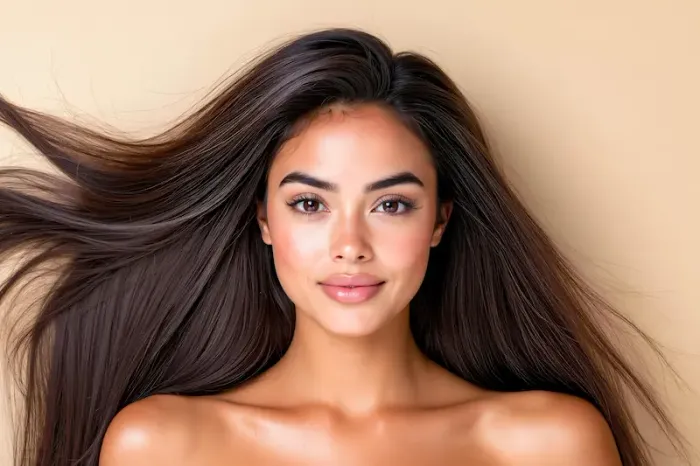
If you want smoother, straighter-looking hair without harsh chemicals or high heat, you are not alone. Many people look for natural hair straightening methods to reduce frizz, protect the scalp and maintain long-term hair health. Natural techniques can make hair appear sleeker and more controlled, but it is important to understand what they realistically achieve. This guide explains what natural straightening can and cannot do, how to build a healthy foundation for smoother hair, the most effective heatless and low-heat methods, and how to maintain results safely and comfortably. With consistent care, you can enhance shine, reduce puffiness and get the smoothest look your natural pattern allows.
Consult a Top General Practitioner for Personalised Advice
What Natural Hair Straightening Can and Cannot Do
Natural straightening focuses on smoothing and stretching the hair using gentle methods. This helps reduce frizz and
encourages a more streamlined look without chemical relaxers.
What Natural Methods Can Do?
- Reduce frizz and puffiness
- Increase shine by smoothing the cuticle
- Temporarily stretch waves or curls for a sleeker appearance
What Natural Methods Cannot do?
- Permanently change your curl pattern
- Deliver pin-straight results for very curly or coily hair without any heat
- Replace chemical treatments if you want long-lasting straightness
Setting expectations is essential. Results are temporary, can revert with humidity and depend heavily on your natural
hair texture, the products you use and your overall routine.
Building a Smoother Base Through Healthy Hair Habits
Healthy hair behaves more predictably, resists frizz and responds better to straightening techniques. The right habits
make a noticeable difference.
Shampoo and Conditioner Choices
- Use a gentle, sulphate-free shampoo if your scalp tolerates it. This prevents excessive dryness and supports a balanced
scalp. - Always apply conditioner after shampooing. Conditioner smooths the cuticle, reduces friction and protects against
breakage. - Use a weekly deep conditioner or mask if your hair is dry, damaged or naturally coarse.
Detangle Gently
- Detangle hair when it is damp and coated with conditioner or a slip-enhancing leave-in.
- Use a wide-tooth comb or flexible detangling brush.
- Begin detangling from the ends and slowly work upward to avoid unnecessary tension.
Conditioners, Leave Ins and Serums
- Leave-in conditioner: adds moisture, reduces frizz and encourages hair to lie flatter.
- Anti-frizz serum or cream: helps seal the cuticle and gives a smoother, shinier finish. Silicones can be especially effective
when used sparingly. - Lightweight oils: Use a small amount of coconut, argan or mineral oil on mid-lengths and ends for shine and frizz
control.
Limiting Heat and Protecting Hair
- Use heat sparingly and always apply a heat protectant.
- Allow hair to air dry partially before using a blow dryer to reduce heat exposure.
- Keep tools on a low or medium setting to avoid long-term damage.
Heatless and Low-Heat Natural Hair Straightening Methods
These techniques smooth and stretch hair without using harsh chemicals. They work by encouraging hair to dry in a
controlled shape.
1. Wet Wrap (Doobie) Set
Best for
Wavy to moderately curly hair.
How to do it?
- Wash and condition hair, then apply leave-in and a light serum.
- Create a side part and comb hair flat around the head, wrapping it in one direction.
- Secure with smooth clips or bobby pins.
- Air dry fully or sit under a hooded dryer on a low setting.
- Unwrap gently and finish with a small amount of serum.
How does it work?
The hair dries under tension, encouraging a flatter, straighter shape with minimal stress.
2. Banding Method
Best for
Curly and coily hair that shrinks or frizzes as it dries.
How to do it?
- Divide damp, detangled hair into sections.
- Apply leave-in and light oil or serum.
- Wrap soft hair bands evenly down each section from roots to ends.
- Allow hair to air dry completely or use a hooded dryer on low.
- Remove bands and lightly brush to blend.
Why it works
Banding stretches the hair length as it dries, reducing shrinkage and creating a smoother silhouette.
3. Large Roller Set
Best for
Wavy, curly and relaxed hair.
How to do it?
- Apply a setting lotion or lightweight mousse to damp hair.
- Roll hair onto large rollers, keeping each section smooth and taut.
- Allow hair to dry fully.
- Remove rollers, brush gently and add a serum finish.
Why does it work?
Large rollers encourage a straighter shape while maintaining soft volume.
Tension Blow Dry on Cool or Low Heat
Best for
All hair types, especially as a base for heatless styling.
How to do it
- Apply heat protectant to damp hair.
- Hold each section taut while directing cool or low warm air down the shaft.
- Work methodically in small sections for best results.
- Finish with a cool shot to set the shape.
Why it works
Gentle tension helps smooth the cuticle without using high heat.
Pro Tips for Smoother Results
Pro tips include:
- Ensure hair dries fully in its set to avoid frizz.
- Work in small sections for a more polished result.
- Use a cool air finish to lock in shine.
- Sleep on a satin or silk pillowcase or use a satin bonnet.
Products and Ingredients That Support Smoother Hair
The right product combinations complement natural straightening techniques and help results last longer.
Silicones and Film Formers
- Dimethicone and similar silicones reduce friction and make hair feel smoother.
- Look for products labelled smoothing, anti-frizz or humidity resistant.
Oils and Butters
- Coconut oil reduces protein loss in damaged hair when used as a pre-shampoo treatment or as a light finisher.
- Mineral oil helps block humidity and preserve smoothness.
- Shea butter and heavier creams work well for coarse hair when used lightly.
Anti Frizz and Humidity Protection
- Use anti-frizz serums or creams before styling and finishing sprays for extra hold in humid environments.
- Clarify every few weeks to prevent buildup and maintain shine.
What to Avoid and Why?
Understanding what to avoid helps protect long-term hair and scalp health.
Beware Keratin Treatments That Release Formaldehyde
Some salon smoothing treatments release formaldehyde when heated. This can irritate the eyes, skin and respiratory
system, and formaldehyde has been classified as carcinogenic. If choosing a salon service, ask for genuinely
formaldehyde-free products and check whether the salon has proper ventilation.
Be Cautious With DIY Miracle Claims
Ingredients such as milk, honey or vinegar may soften hair but cannot permanently straighten it. Patch test any new
ingredient and avoid recipes that promise unrealistic results.
Caring for Your Natural Pattern While Smoothing
You can enjoy sleeker looks while maintaining curl and coil health.
- Alternate between stretched and curly styles to avoid constant tension.
- Moisturise regularly using layered methods such as LOC or LCO.
- Protect hair at night with satin wraps or bonnets.
- Trim split ends to stop frizz from spreading.
When to See a Dermatologist or Stylist
Professional help is recommended if you notice:
- Persistent scalp irritation, itching or pain
- Excessive breakage or thinning
- Localised tension-related damage
- The need for personalised advice before salon smoothing treatments
Step-by-Step Routine for Smoother, Straighter Looking Hair
Wash Day
- Shampoo gently and rinse thoroughly.
- Apply conditioner to mid-lengths and ends and detangle.
- Rinse and apply leave-in and a small amount of smoothing serum.
Styling Options
Option A: Wet Wrap
- Wrap hair around the head, secure and dry thoroughly.
- Unwrap, brush gently and add a finishing oil.
Option B: Banding
- Section hair, apply a light product, band each section and allow to dry.
- Remove bands, brush lightly and finish with a humidity-resistant spray.
Option C: Large Rollers
- Set hair with large rollers and dry completely.
- Remove rollers and smooth with a brush.
Maintenance Between Washes
- Sleep on satin or silk.
- Use low heat and a heat protectant if minor touch-ups are needed.
- Refresh ends with a tiny amount of oil or serum.
Key Takeaways
Natural hair straightening focuses on gentle smoothing and stretching, not permanent change. Healthy hair practices, the right products, and heatless or low-heat setting methods provide the safest path to a sleeker look. Be careful with salon smoothing services that may release formaldehyde; prioritise your long-term hair and scalp health.
Consult a Top General Practitioner for Personalised Advice
Consult a Top General Practitioner for Personalised Advice

Dr. Gunashree V L
General Physician/ Internal Medicine Specialist
3 Years • MBBS
Bengaluru
Apollo Clinic, JP nagar, Bengaluru

Dr Suseela
General Physician
5 Years • MBBS
Bengaluru
Apollo Medical Center, Marathahalli, Bengaluru

Dr. Ashita Kuruvilla
General Practitioner
7 Years • MBBS
Kolkata
KVC CLINIC, Kolkata

Dr. Anand Ravi
General Physician
2 Years • MBBS, FEM
Bengaluru
PRESTIGE SHANTHINIKETAN - SOCIETY CLINIC, Bengaluru

Dr. Vivek D
General Physician
4 Years • MBBS
Bengaluru
PRESTIGE SHANTHINIKETAN - SOCIETY CLINIC, Bengaluru
Consult a Top General Practitioner for Personalised Advice
Dr. Gunashree V L
General Physician/ Internal Medicine Specialist
3 Years • MBBS
Bengaluru
Apollo Clinic, JP nagar, Bengaluru
Dr Suseela
General Physician
5 Years • MBBS
Bengaluru
Apollo Medical Center, Marathahalli, Bengaluru
Dr. Ashita Kuruvilla
General Practitioner
7 Years • MBBS
Kolkata
KVC CLINIC, Kolkata
Dr. Anand Ravi
General Physician
2 Years • MBBS, FEM
Bengaluru
PRESTIGE SHANTHINIKETAN - SOCIETY CLINIC, Bengaluru
Dr. Vivek D
General Physician
4 Years • MBBS
Bengaluru
PRESTIGE SHANTHINIKETAN - SOCIETY CLINIC, Bengaluru
More articles from Hair Problems
Frequently Asked Questions
1) Can you permanently straighten hair naturally?
No. Natural hair straightening methods can smooth and stretch hair, but they don’t permanently change your curl pattern. Only chemical relaxers or strong heat can provide long-term straightening—and those come with damage and safety trade-offs.
2) How long do natural straightening results last?
Usually until your next wash or until humidity and moisture cause reversion. Using anti-frizz products, drying hair completely in its set, and sleeping on satin/silk can help results last longer.
3) Are coconut milk, rice water, or aloe vera proven to straighten hair?
There isn’t strong clinical evidence that these ingredients straighten hair. Some can make hair feel softer or stronger for some people, but they won’t permanently change the curl pattern. If you try them, patch-test first and stop if you notice irritation or buildup.
4) Are salon keratin treatments safe?
.Some “keratin” or smoothing treatments can release formaldehyde when heated, which can irritate the eyes/airways and has been classified as carcinogenic. If you consider a salon service, ask whether it’s truly formaldehyde-free, request the Safety Data Sheet, and ensure good ventilation. You can also opt for heatless or low-heat methods instead.
5) How often is it safe to use heat if I still want a sleeker look?
Less is more. Keep the temperature as low as possible, always use a heat protectant, and avoid daily heat styling. Give hair regular breaks, deep-condition weekly if needed, and trim damaged ends.